Song Meaning
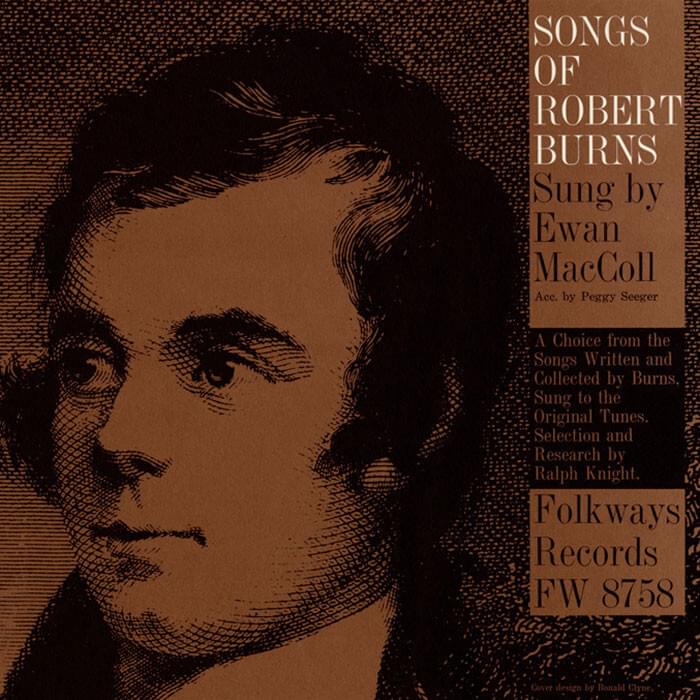
{"song_id": 15149016, "meaning": "Ewan MacColl's rendition of \"Landlady, Count the Lawin\" feels less like a structured narrative and more like a boisterous snapshot of a Scottish drinking session teetering on the edge of dawn. The song's core, beyond its simple melody, lies in its embrace of convivial intoxication and the blurring of social lines that often accompanies it. The opening lines, \"Landlady, count the lawin / The day is near the dawin',\" immediately set the scene: a public house nearing closing time, with the landlady tallying the bills (\"lawin\") amidst a room thick with revelry. The singer, while admitting to being \"jolly fou\" (happily drunk), subtly positions himself as slightly more lucid than the rest, observing the \"blind drunk, boys\" around him. This hints at a psychological dynamic of self-perception and relative awareness, common in group settings where everyone is indulging. The question of 'Wha's fou now?' becomes less about literal intoxication and more about a playful challenge to gauge the depths of inebriation within the group.
The verses amplify this atmosphere of drunken camaraderie. The lines \"Cog, an ye were ay fou / I wad sit and sing to you / If ye were ay fou!\" suggest an almost performative aspect to the drinking culture. There's a willingness to indulge and encourage further intoxication, potentially as a means of bonding or escaping social constraints. The repetition reinforces the cyclical nature of the drinking session, a continuous loop of singing, drinking, and shared experience. The blessing in the third verse – \"Weel may ye a' be! / Ill may ye never see! / God bless the king / And the companie!\" – elevates the gathering to something almost sacred, a ritualistic expression of goodwill and loyalty. It's a toast to the present moment and a hopeful invocation for the future of the group.
Ultimately, the song meaning of \"Landlady, Count the Lawin\" is about the shared experience of intoxication and the temporary community forged within its embrace. The repeated chorus, with its nonsensical \"Hey tutti, taiti,\" serves as a unifying chant, a verbal glue that binds the participants together. MacColl's interpretation captures not just the superficial joy of drinking but also the underlying human need for connection and shared experience, however fleeting or alcohol-fueled it may be. The song becomes an anthem for those moments when inhibitions are lowered, social barriers dissolve, and a sense of collective identity emerges from the haze of the pub."}
 View Artist