Song Meaning
Ewan MacColl's rendition of "O that I had been Ne'er Married" isn't just a folksy lament; it's a stark portrayal of the psychological weight of domestic responsibility, framed through the lens of poverty. The song's simple structure belies a complex emotional landscape where regret and anxiety intertwine. The opening lines, a direct expression of wishing he'd never married, immediately plunges the listener into the depths of the singer's disillusionment. It's a brutal admission, devoid of romanticism, setting the stage for the economic anxieties that follow. The "wife an' weans" aren't presented as sources of joy, but as the harbingers of endless demands. The repeated cry of "Crowdie" (a simple oat-based food) becomes a symbol of the family's insatiable hunger and the father's inability to satiate it. This isn't just about physical hunger; it's about the gnawing anxiety of failing to provide, a primal fear that resonates deeply.
The chorus, with its escalating count of "crowdie," drives home the relentless nature of this burden. It’s not a one-time hardship, but a daily, grinding struggle. The line "Ye'll crowdie a' my meal away" is particularly potent, suggesting that the family's needs are consuming the singer's very substance. This speaks to the psychological toll of parenthood, the feeling of being depleted and overwhelmed by the constant demands of dependents. The second verse amplifies the desperation. "Waefu' Want and Hunger fley me" vividly depicts the specter of poverty as a tangible threat. The singer is not just worried about hunger; he's haunted by it. The phrase "Glowrin' by the hallan en'" (lurking by the entrance) evokes a sense of paranoia and constant vigilance.
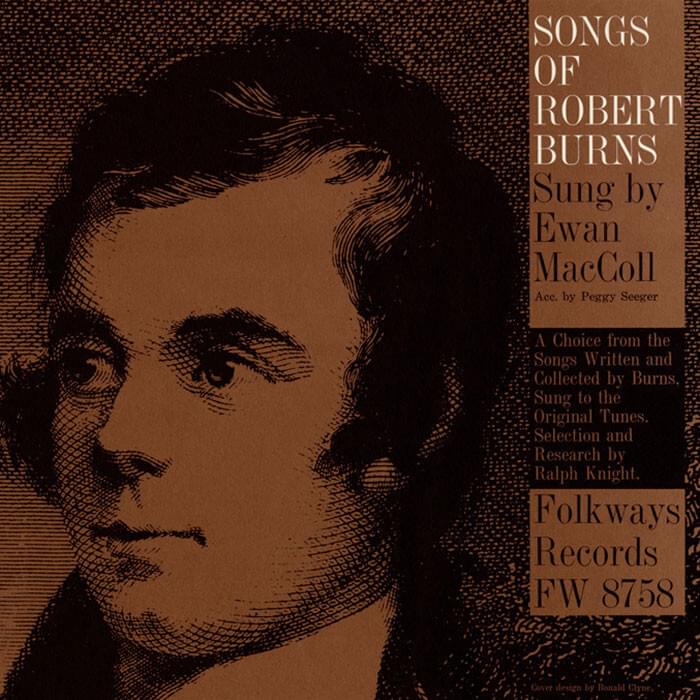
MacColl's interpretation, steeped in the tradition of working-class folk music, offers a glimpse into the harsh realities of life on the margins. It's a song about the erosion of hope, the crushing weight of responsibility, and the psychological impact of scarcity. While seemingly simple, "O that I had been Ne'er Married," is a powerful reminder of the deep connection between economic hardship and mental well-being. The song's meaning isn't just about regret, but about the very real anxieties faced by those struggling to provide for their families, an anxiety that transcends time and culture.
 View Artist