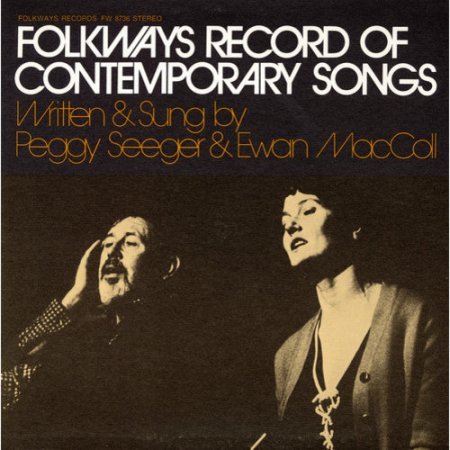
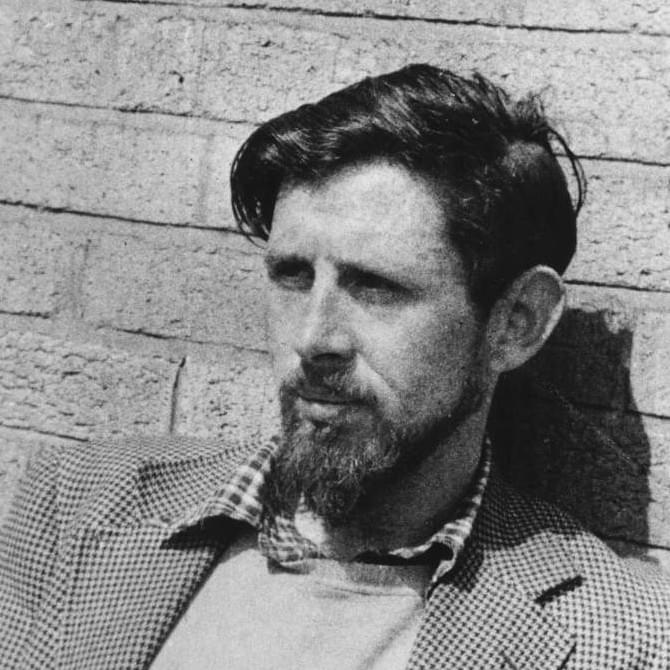
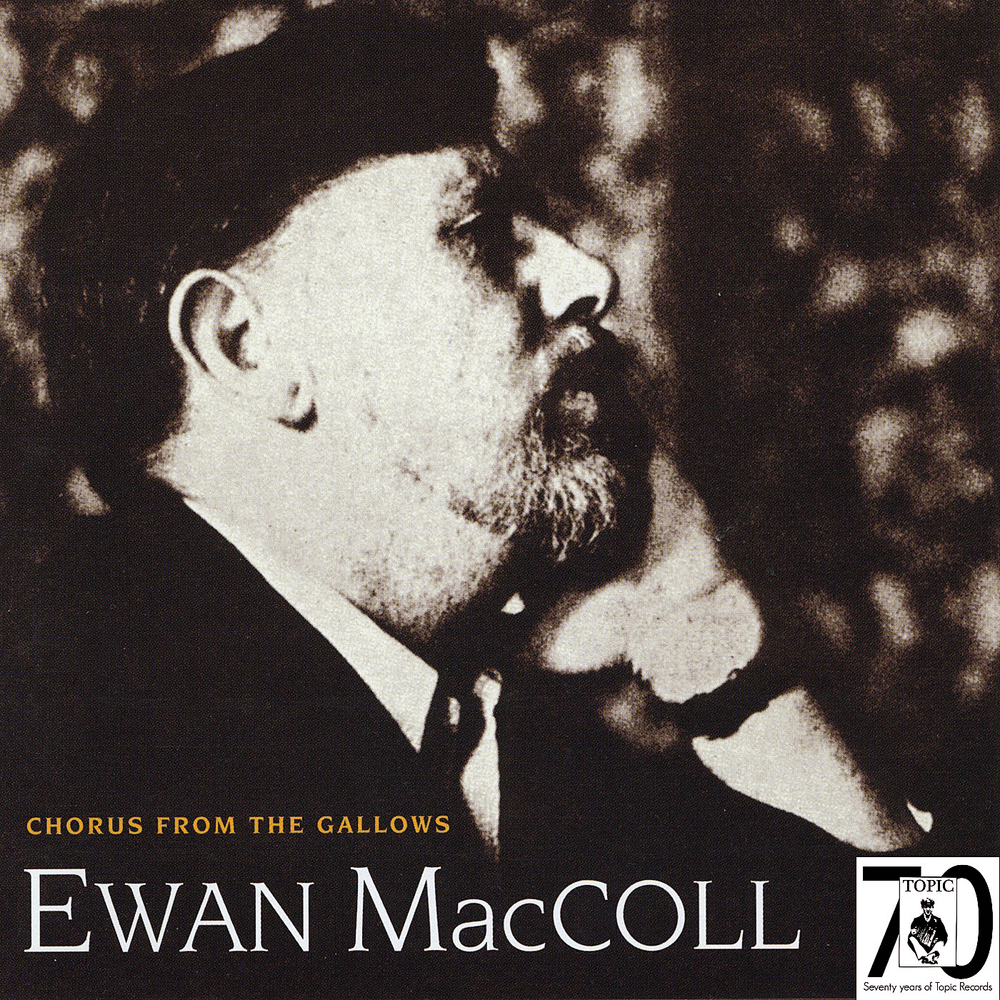
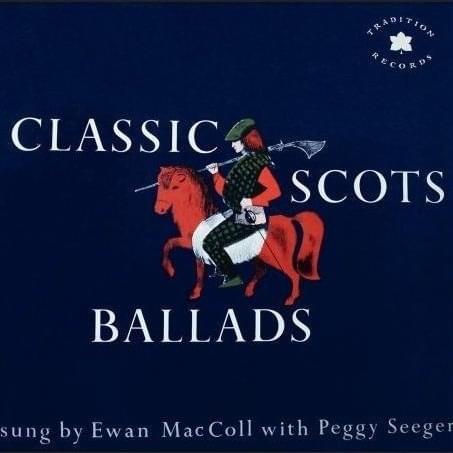
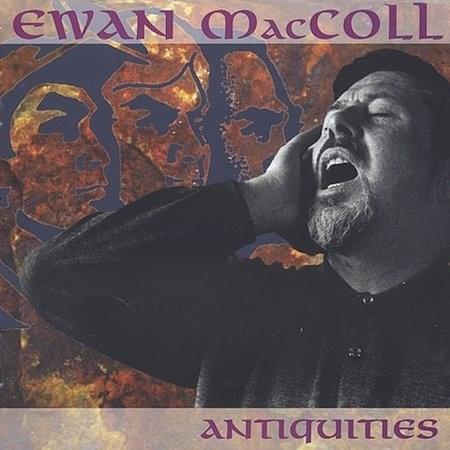
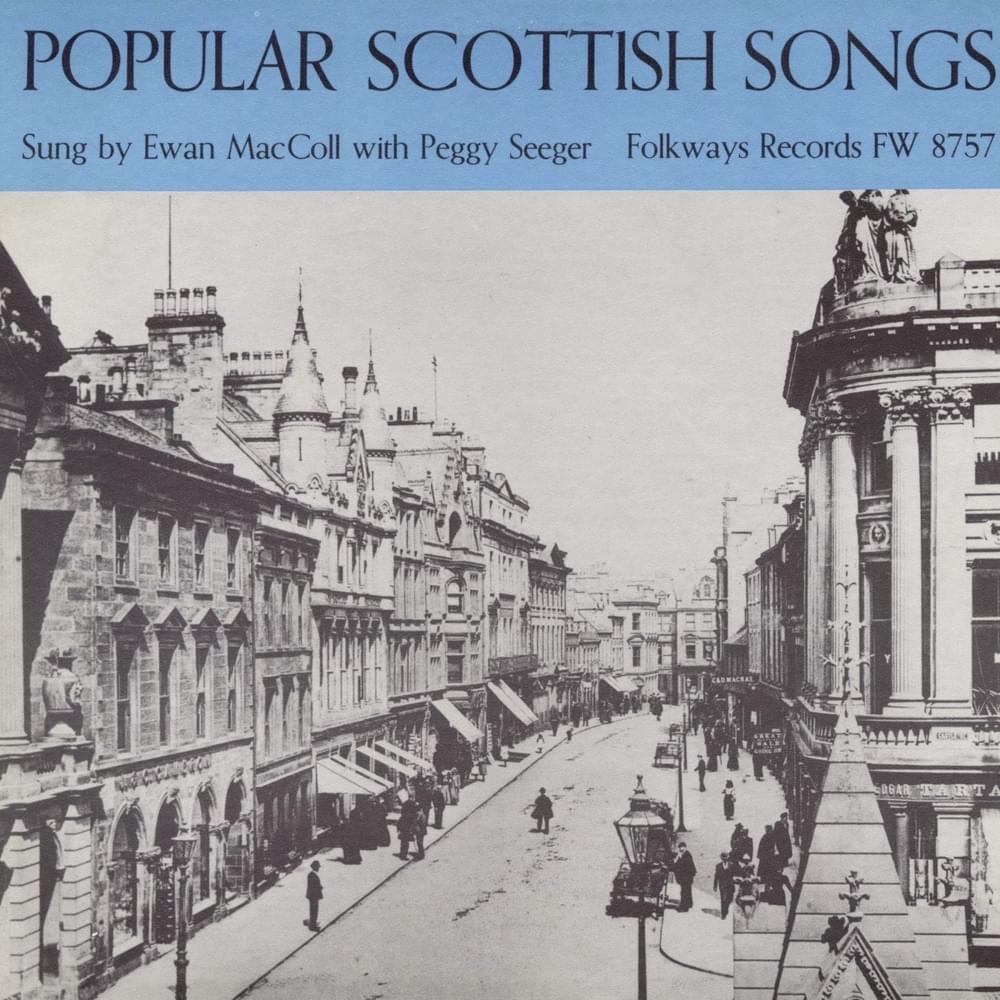
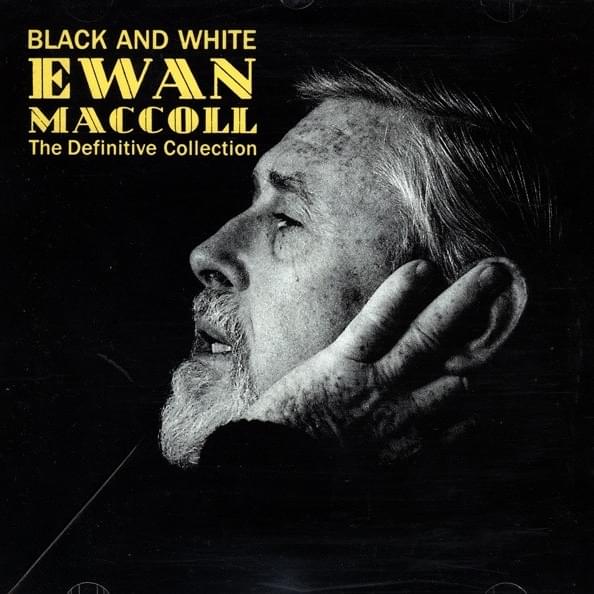
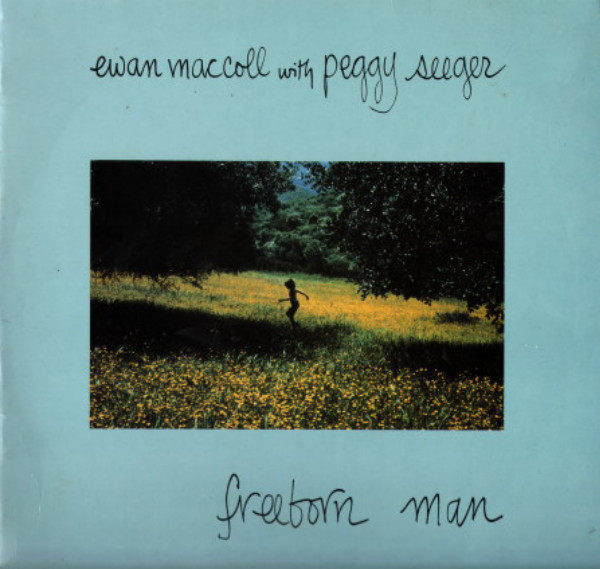
Ewan MacColl, born Jimmie Miller in Salford, Lancashire, was a towering figure in the British folk music revival. More than just a singer, he was a songwriter, playwright, actor, and political activist whose work resonated deeply with the experiences of working-class people. His commitment to social justice and his ability to capture the everyday struggles and triumphs of ordinary lives made him one of the most important voices of his generation. MacColl's music was never just entertainment; it was a call to action, a celebration of community, and a testament to the enduring spirit of the human heart.
MacColl's early life was steeped in the traditions of Scottish and Irish folk music. He grew up listening to his parents sing traditional ballads and rebel songs, and he quickly developed a passion for the music of the people. This early exposure would shape his entire career, influencing his songwriting, his political views, and his unwavering commitment to preserving and promoting folk traditions. He began performing in the 1930s, initially as an actor and playwright, but his focus soon shifted to music. His experiences during the Great Depression and World War II further solidified his socialist beliefs and his determination to use his art to fight for social change.
MacColl's songwriting is characterized by its honesty, its directness, and its unflinching portrayal of working-class life. He wrote about the hardships of industrial labor, the struggles of unemployment, and the everyday joys and sorrows of ordinary people. Songs like The Driver's Song paint a vivid picture of a specific trade and the individual who undertakes it. His songs are filled with vivid imagery and authentic details, making them both powerful and relatable. He possessed a rare ability to transform the mundane into the extraordinary, finding beauty and meaning in the lives of those who are often overlooked.
Beyond his original compositions, MacColl was also a passionate collector and performer of traditional folk songs. He believed that these songs were a vital part of cultural heritage, and he dedicated his life to preserving and promoting them. He collaborated with A.L. Lloyd on numerous projects documenting and performing traditional music. He saw folk music as a living tradition, constantly evolving and adapting to new circumstances. His recording of The Press Gang (Roud 662) exemplifies his connection to the roots of folk music and his ability to bring those traditions to a wider audience.
MacColl's impact on the folk music revival is undeniable. He inspired countless other musicians and songwriters, and his songs continue to be sung and performed around the world. His legacy extends beyond the realm of music, however. He was a tireless advocate for social justice, and his work continues to inspire activists and organizers to this day. His song, Shoals Of Herring, showcases his storytelling abilities and connection to maritime traditions. The poignant lyrics of Brother Did You Weep highlight his ability to express profound emotion through simple yet powerful language. And his iconic Manchester Rambler remains an anthem for hikers and nature lovers across the UK. Ewan MacColl was a true original, a voice for the voiceless, and a champion of the working class.