Song Meaning
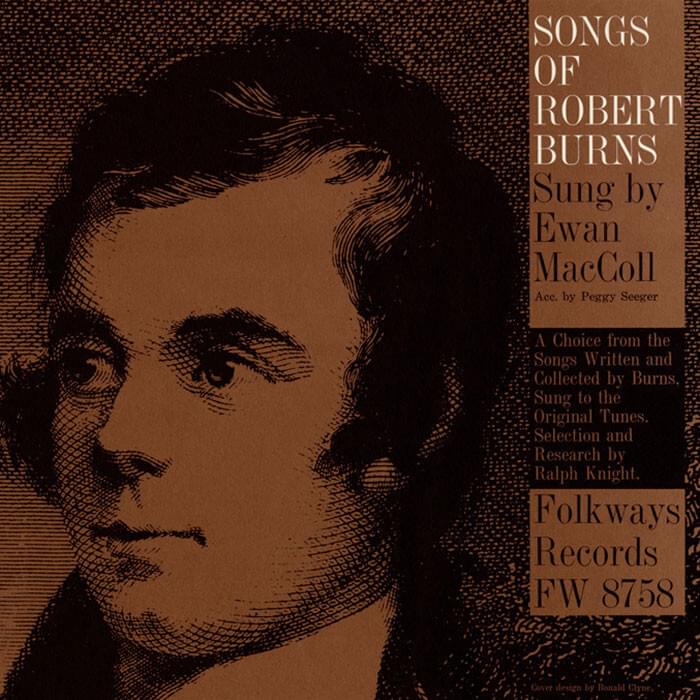
Ewan MacColl's rendition of "Tibbie Dunbar" isn't just a simple love song; it’s a distilled expression of devotion that throws societal expectations into the wind. The insistent repetition of "O wilt thou go wi' me, sweet Tibbie Dunbar?" isn't mere lyrical filler. It underscores a deep yearning, a vulnerability that's both tender and urgent. MacColl, known for his socialist leanings and championing of the working class, likely saw in this traditional song an opportunity to highlight a love that transcends material wealth and social standing.
The lyrics strip away the superficial layers of courtship, laying bare a proposition rooted in genuine affection. The singer explicitly rejects Tibbie's father's wealth and her family's elevated status: "I care na thy daddie, his lands and his money / I care na thy kin, sae high and sae lordly." This isn't about social climbing or financial security; it's a radical declaration of love for Tibbie as an individual, independent of her background. The line "sae that thou'lt hae me for better for waur" acknowledges the unpredictable nature of life and love, suggesting a commitment that extends beyond fleeting happiness.
Ultimately, the song's meaning resides in its defiant simplicity. The offer to accept Tibbie "in thy coatie, sweet Tibbie Dunbar" is particularly poignant. It suggests a willingness to embrace her in her most unadorned, authentic state, free from the trappings of her privileged life. MacColl’s interpretation reframes "Tibbie Dunbar" as an anthem for genuine connection, a celebration of love that dares to prioritize emotional intimacy over societal expectations and material possessions. It's a reminder that true love lies not in grand gestures or financial security, but in the acceptance of another person, flaws and all.
 View Artist