Song Meaning
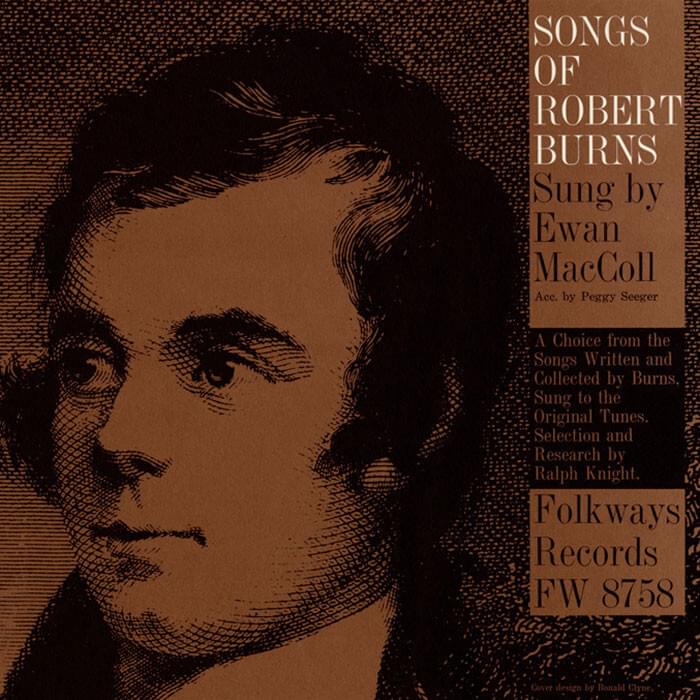
{"song_id": 15149035, "meaning": "Ewan MacColl's rendition of \"She's Fair and Fause\" is a masterclass in bitterness disguised as stoicism, a psychological portrait of heartbreak filtered through the lens of Scottish folk tradition. The song's core isn't simply lamenting lost love; it's a jagged-edged exploration of betrayal, class resentment, and the self-protective cynicism that blooms in the wake of profound disappointment. The narrator, wounded by a lover who abandoned him for a wealthier suitor (\"A coof cam in wi' routh o' gear\"), attempts to rationalize his pain by reducing the woman – and, by extension, all women – to mere \"warld's gear,\" worldly possessions. This isn't just heartbreak; it's a primal scream against the perceived injustice of economic disparity hijacking genuine affection.
The second verse doubles down on this cynical worldview, advising future lovers to remain vigilant against female fickleness: \"Nae ferlie 'tis tho' fickle she prove / A woman has't by kind.\" MacColl, through the narrator, isn't merely calling out one woman's betrayal but indicting an entire gender as inherently unreliable. There's a deep-seated misogyny simmering beneath the surface, likely fueled by the sting of rejection and the perceived powerlessness in the face of economic realities. However, the narrator acknowledges the woman's beauty (\"O Woman lovely, Woman fair!\"), even suggesting she possesses an angelic form, but quickly retracts the compliment by implying she lacks an \"angel mind.\" This juxtaposition highlights a central conflict: the allure of physical beauty versus the perceived deficiency of character.
Ultimately, \"She's Fair and Fause\" resonates not just as a song of heartbreak but as a cautionary tale about the corrosive effects of bitterness and the dangers of generalizing individual experiences into sweeping judgments. The song's enduring power lies in its unflinching portrayal of a wounded ego grappling with betrayal, economic anxiety, and the temptation to project personal pain onto an entire group. MacColl's interpretation, steeped in the raw honesty of folk tradition, transforms a simple tale of lost love into a complex and unsettling exploration of the darker corners of the human psyche."}
 View Artist