Song Meaning
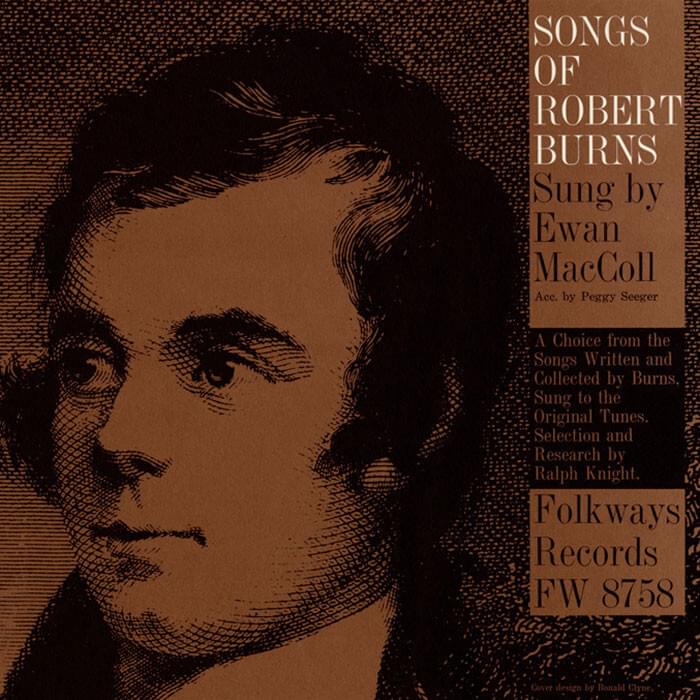
Ewan MacColl's rendition of "There's Cauld Kail in Aberdeen" isn't just a folksy tune; it's a robust assertion of masculine comfort and tradition in the face of domestic expectations. The titular "cauld kail" (cold cabbage soup) serves as a metaphor for the less-than-desirable aspects of life, contrasted sharply with the satisfying embrace of the "coggie," a wooden drinking vessel. MacColl's character isn't necessarily advocating for rampant hedonism, but rather drawing a line in the sand against what he perceives as the encroaching dullness of married life. The lyrics are a defiant toast to camaraderie and simple pleasures.
The "coggie" isn't just a cup; it represents a specific kind of freedom and male bonding. The repetition of "I cannot want my coggie" in the chorus underscores its importance, elevating it to the level of an essential need. When the singer declares he "wadna gie my three-girr'd cap / For e'er a quean on Bogie," he's not necessarily rejecting women outright, but prioritizing the familiar comfort and control that his "coggie" provides over the complexities and potential constraints of a romantic relationship. The "three-girr'd cap" (a three-banded wooden cup) further reinforces this idea of sturdy, reliable companionship found outside of the domestic sphere.
The darker humor in the second verse, where Johnie Smith is "scrimped" of his "coggie" by his wife, adds another layer to the song's meaning. The singer's hyperbolic threat to "douk her in a bogie" (dunk her in a swamp) if she were his wife isn't meant to be taken literally, but it highlights the perceived threat that a controlling wife poses to a man's simple joys. Ultimately, "There's Cauld Kail in Aberdeen," through MacColl's interpretation, becomes an anthem for preserving those small, personal freedoms that provide solace against the inevitable "cauld kail" of everyday existence. It's a celebration of male solidarity and the simple pleasures that help navigate the often-uncomfortable realities of life and relationships.
 View Artist