Song Meaning
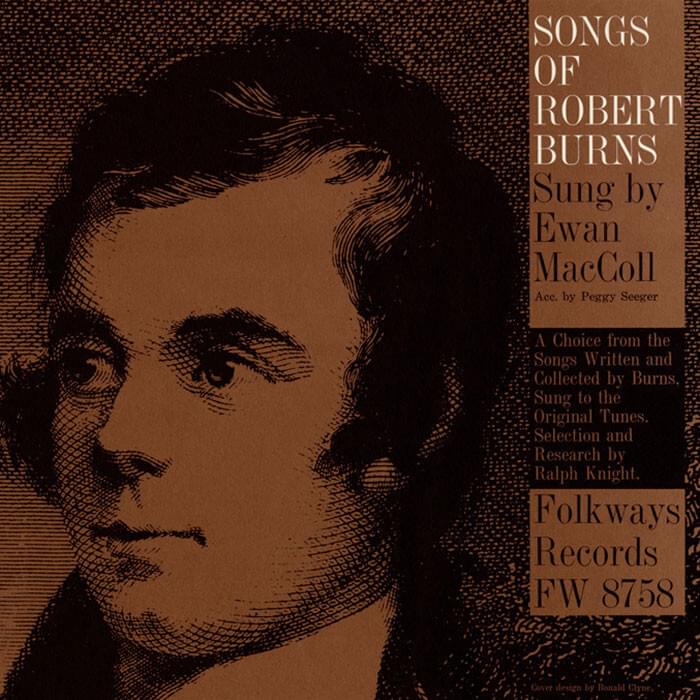
{"song_id": 15149023, "meaning": "Ewan MacColl's rendition of \"Duncan Grey\" isn't just a folksy tune; it's a raw, subtly furious snapshot of a woman's predicament, masked in the playful, repetitive chorus of \"Ha, ha, the girdin o't!\" The girdin, or binding, acts as a central metaphor – initially representing a broken harness or restraint, leading to unintended consequences, and ultimately symbolizing the bonds of marriage or commitment that the singer both resents and desperately needs. The constant repetition buries the song's inherent sense of desperation, hinting at the cyclical nature of her feelings and circumstances.
The lyrics paint a vivid picture of a woman trapped by circumstance, likely an unplanned pregnancy. When \"a' the lave gae to their play,\" she's stuck at home, \"jog[ging] the cradle wi' my tae,\" a mundane and isolating reality. The second verse, with its imagery of the \"bonnie...Lammas moon\" and the broken \"girdin,\" suggests a moment of passion and its resulting chaos. The loss of her \"curch, and baith my shoon\" speaks to a loss of innocence and status, a vulnerability exposed by Duncan's actions. The \"unco loon\" line drips with sarcasm and a bitter acceptance of her fate.
However, the final verse introduces a fragile hope, contingent on Duncan's promise (\"gin ye'll keep your aith\"). She's willing to forgive and rebuild, even bless him, if he steps up and takes responsibility. The \"beast again can bear us baith\" suggests a reconciliation, a return to a functional partnership, and the community represented by \"auld Mess John\" will help repair the damage. Ultimately, MacColl's interpretation of \"Duncan Grey\" exposes the complex emotional landscape of a woman navigating societal pressures, unintended consequences, and the precarious hope for redemption within a flawed relationship. The song meaning resides not just in the playful melody but in the sharp contrast between the lighthearted refrain and the heavy realities it attempts to mask."}
 View Artist