Song Meaning
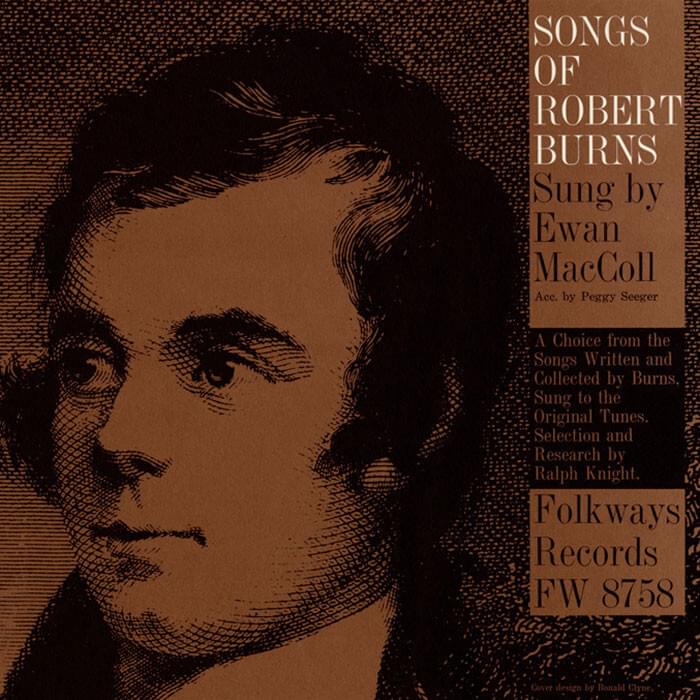
Ewan MacColl's rendition of "Ay Waukin, O" isn't just a folk song; it's a masterclass in distilled longing. MacColl, a figure synonymous with the British folk revival, delivers the song with a raw simplicity that amplifies its emotional core. The "pleasant time" of summer, bursting with color, becomes a cruel taunt for the narrator, whose inner landscape is barren without her "true lover." It's a juxtaposition that highlights the disjunction between the world's beauty and the individual's pain, a classic theme in love songs, but rendered here with particular poignancy. The lyrics analysis reveals the summer's beauty emphasizes her longing.
The repeated chorus, "Ay waukin, O, waukin still and weary," becomes a mantra of sleeplessness and yearning. The word "waukin," meaning awake, takes on a heavier significance. It's not just physical wakefulness; it's a state of heightened emotional awareness, where every moment is acutely felt. Sleep, the natural refuge from sorrow, offers no escape; instead, it's invaded by dreams that only intensify the longing. The narrator is trapped in a cycle of waking and dreaming, each state equally tormenting. This speaks to the psychological impact of absence, where the mind fixates on the missing person, blurring the lines between reality and fantasy. The "lyrics analysis" of the song indicates her mind has no escape, even in sleep.
The final verse, with its image of a "lanely night" and tear-filled eyes, seals the song's melancholic beauty. While "a' the lave are sleepin'," she's left alone with her thoughts, her grief so profound it manifests physically. The use of the Scots word "greeting" adds to the song's authenticity and emotional weight. It's a song about the universality of love and loss, and the way absence can reshape our perception of the world. Through MacColl's interpretation, "Ay Waukin, O" becomes an exploration of the psychological landscape of longing, a space where beauty and sorrow coexist, and sleep offers no solace.
 View Artist