Song Meaning
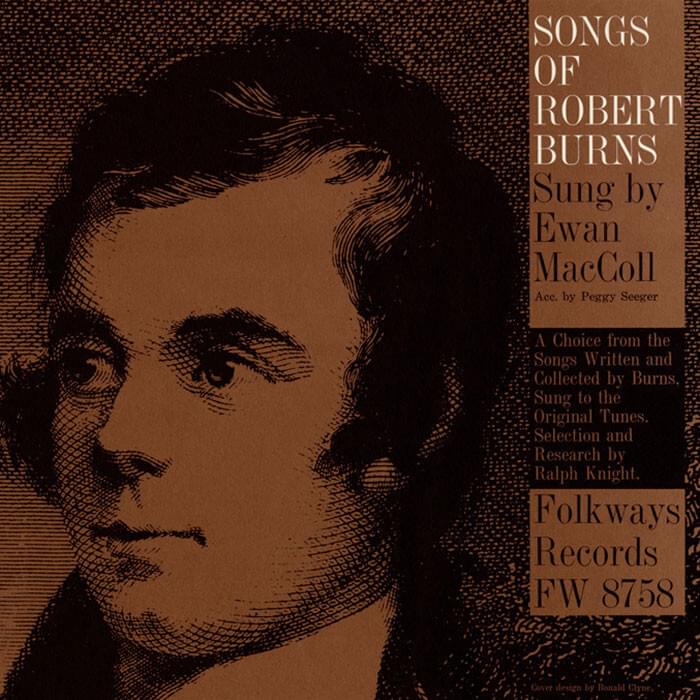
Ewan MacColl's rendition of "The Rantin Dog, The Daddy O't" isn't merely a folk song; it's a stark, intimate portrait of abandonment and defiant self-possession. The repeated refrain, "The rantin dog, the daddie o't!" drips with both bitterness and a kind of dark humor. The central figure, presumably a young, unwed mother, faces a deeply precarious situation, her questions echoing the anxieties of her time. But the song's genius lies in its refusal to solely depict victimhood.
The lyrics paint a vivid picture of social ostracization. The speaker asks, "O, wha will own he did the faut?" and "Wha will tell me how to ca't?" – questions that highlight the societal shaming she's enduring. The reference to "mount the creepie-chair" alludes to the stool of repentance, a public humiliation ritual in some Presbyterian churches. Yet, even in these moments of vulnerability, there's an undercurrent of resilience. She demands, "Gie me Rob, I'll seek nae mair," suggesting a fierce, unwavering loyalty, even if that loyalty is misplaced or unreciprocated.
The complexity of the song emerges from this duality. Is "the rantin dog" a term of endearment, a sarcastic jab, or a desperate plea for recognition? The answer likely lies in the listener's own emotional landscape. The song’s enduring power stems from its exploration of themes that remain strikingly relevant: the challenges faced by marginalized women, the hypocrisy of societal judgment, and the enduring human need for love and acceptance, however flawed or unattainable those things may seem.
 View Artist