Song Meaning
The lyrics paint a poignant picture of a chance encounter with a former lover, where the narrator grapples with the possibility of becoming a mere stranger. The opening lines, "Et si par hasard / Tu me rencontres / Juste au coin d'une rue / A peine émue," establish a delicate tension: the hope for recognition versus the fear of indifference. This sets the stage for a reflection on shared memories and the passage of time, questioning if even a slight emotional stir would be enough to bridge the gap created by absence.
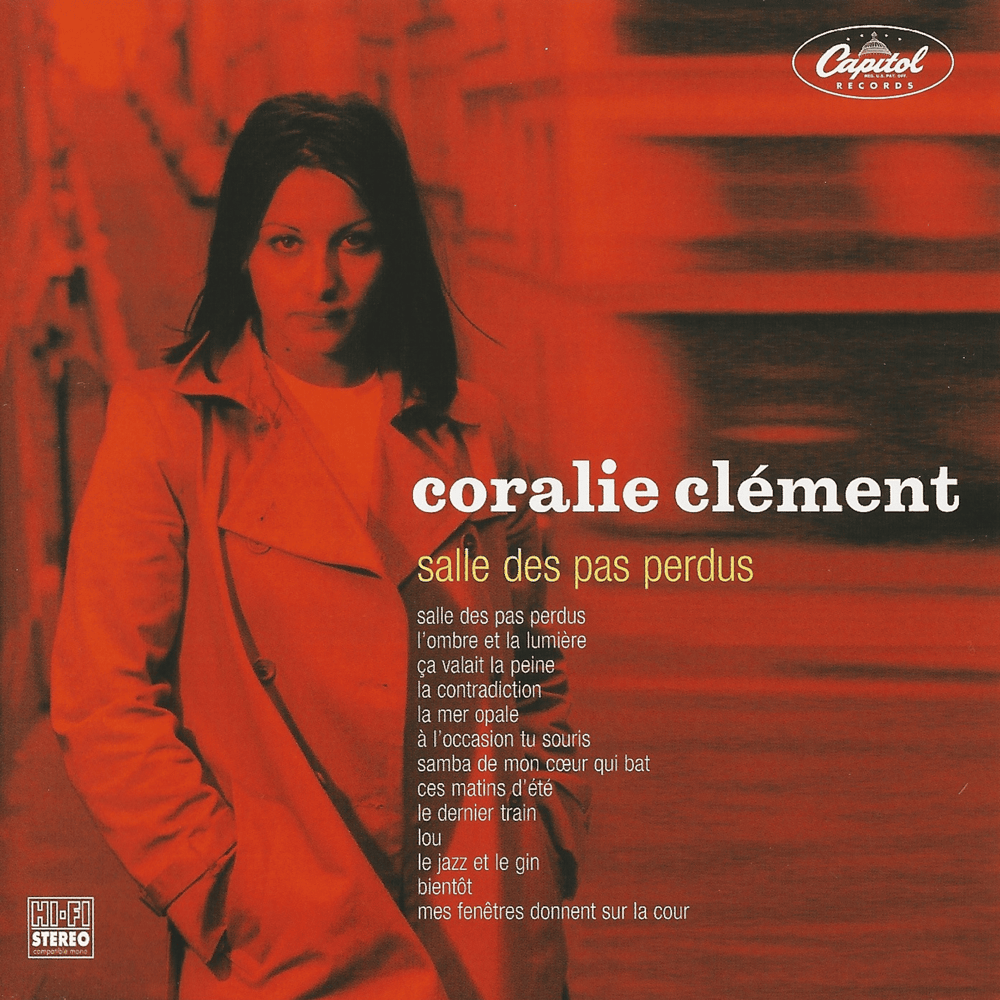
The central conflict lies in the narrator's desire to preserve the essence of their past relationship against the stark reality of their present separation. The repeated phrase "Des symphonies inachevées / Des quatre mains / De ces matins d'été" acts as a refrain, evoking a sense of unfinished potential and intimate moments now lost. The narrator seems to be testing whether these potent memories can still hold weight, even if they are now "une inconnue" – a stranger.
The craft here hinges on evocative imagery and a wistful, almost dreamlike tone. The contrast between the mundane setting of a street corner and the rich tapestry of shared experiences – "chemins de pierre," "feux de cheminée," "oiseaux sur la mer" – highlights the depth of what has been lost. The idea of slowing down watches, "Suffit-il de retarder / Nos montres," is a beautiful, melancholic metaphor for trying to recapture or hold onto a fleeting past, suggesting that time itself is the ultimate barrier.
Ultimately, these lyrics resonate because they capture the universal ache of looking back at a significant connection that has faded into the background of everyday life. The narrator’s quiet contemplation of shared, specific moments – the "quatre mains," the "matins d'été" – makes the potential loss feel deeply personal and profoundly sad. It’s the quiet acknowledgment of how easily profound intimacy can become a forgotten memory, leaving only the ghost of what once was.
 View Artist