Song Meaning
The lyrics paint a picture of a life lived with a weary acceptance, a constant cycle of routine and resignation. The repeated phrase "C'est la vie qu'on mène" (This is the life we lead) anchors the song in a sense of inescapable fate. There's a feeling of being adrift, with "Aucun passant ne nous renseigne" (No passerby informs us), suggesting a lack of guidance or clear direction. This resignation is further emphasized by the image of "Anxiolytiques et café crème" (Anxiolytics and cream coffee), a blend of modern coping mechanisms and everyday comfort that highlights the mundane struggle.
The central tension lies between this pervasive sense of "C'est la vie" and the narrator's persistent refusal to forget. The lyrics explicitly state, "Moi je n'oublie pas / Nos premiers pas" (I don't forget / Our first steps), and later expand this to include "Le premier clash / Les premiers mots crus" (The first clash / The first raw words). This creates a poignant contrast: while the present is defined by a passive "life we lead," the past is remembered with vivid, even painful, detail, suggesting a deep emotional investment in what has been lost or changed.
The writing uses striking, almost jarring imagery to convey this duality. The life being led is described as "cette chienne" (this bitch), a harsh personification that underscores the narrator's resentment, yet it's immediately followed by "Qui fait qu'on restera nous-même" (Which ensures we will remain ourselves), a paradoxical statement that hints at a stubborn self-preservation within the struggle. The "vie qui brûle nos idoles / Comme l'été brûle l'herbe folle" (Life that burns our idols / Like summer burns wild grass) is a powerful metaphor for the destructive, inevitable passage of time and experience that erodes aspirations.
Ultimately, the effectiveness of these lyrics stems from their unflinching portrayal of a life caught between passive acceptance and active remembrance. The narrator's insistence on remembering, even the difficult "premiers mots crus" and the "paire de claques" (pair of slaps), grounds the abstract "C'est la vie" in concrete, emotional experiences. This creates a resonant feeling of looking back at a past self, perhaps more vibrant or naive, from the vantage point of a present that is both familiar and tinged with a deep, unspoken melancholy.
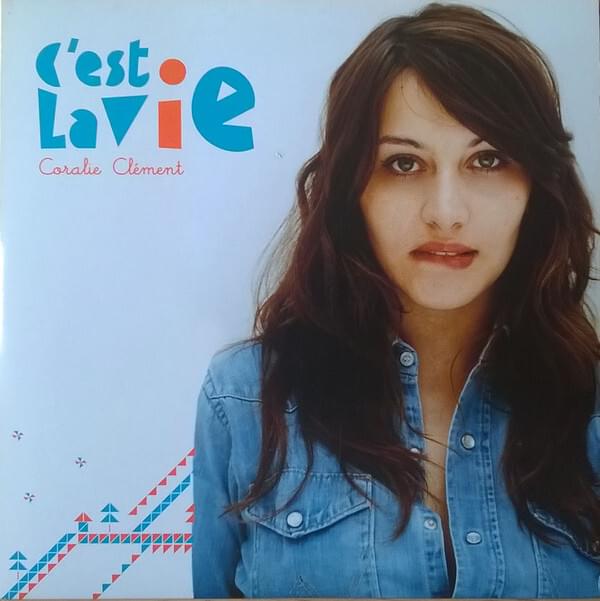
 View Artist