Song Meaning
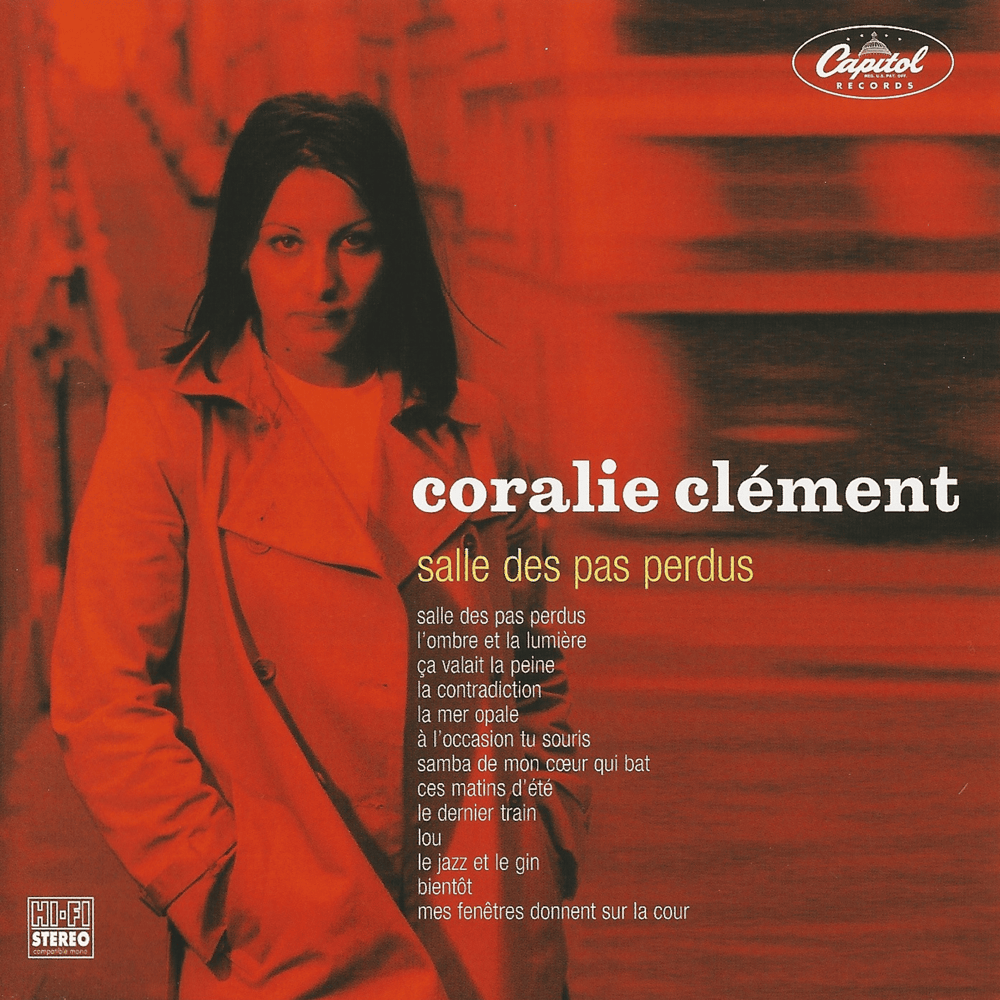
This song paints a picture of an ephemeral existence, a life lived entirely in the present moment, seemingly born from nothingness. The narrator describes their birth as happening "avant-hier" (the day before yesterday) and originating from "un courant d'air" (a gust of air), immediately establishing a sense of fleetingness and lack of solid grounding. This feeling is reinforced by the imagery of being "dans le vent" (in the wind) and falling asleep "au soleil couchant" (at sunset), suggesting a life that is always in motion and tied to natural cycles of ending.
The central tension lies in the narrator's perception of time and their own mortality. They are already "dans le vent" from birth, and this wind will carry them to death as well, "dans un souffle" (in a breath). This breath is explicitly linked to the wind, creating a cyclical, almost predetermined fate. The stark contrast between their recent birth and their impending death, happening "bien avant que tu naisses" (long before you are born), emphasizes the compressed and transient nature of their life, existing outside of conventional timelines.
The most striking aspect of the craft is the pervasive use of wind and air as the sole elements of existence. From birth to death, the narrator is defined by these intangible forces. The repetition of "Lou, Lou..." acts as a haunting refrain, a name or a sound that accompanies this spectral life, perhaps representing a lost connection or a memory that lingers. The simplicity of the language and the directness of the imagery create a powerful, almost dreamlike atmosphere.
What makes these lyrics so effective is their ability to evoke a profound sense of transient beauty and inevitable dissolution. The narrator isn't lamenting their fate but accepting it with a quiet grace, finding peace in the natural flow of existence. The recurring name "Lou" adds a touch of poignant mystery, grounding the abstract concept of a wind-born life in something that feels personal, even if its context remains elusive.
 View Artist