Song Meaning
This track opens with a stark hypothetical: what if the love shared between two people simply ceased to exist? The narrator immediately counters this bleak prospect with an unwavering declaration of commitment, stating, "J'attendrai toujours" (I will always wait). This isn't just a passive hope; it's an active choice to remain, even if the waiting itself proves futile ("J'attendrai pour rien" - I will wait for nothing). The core of this sentiment lies in the narrator's inability to conceive of a life devoid of this specific love: "Car vivre sans amour / Je ne le pourrai point" (Because to live without love / I will not be able to).
The central tension arises from the contrast between the potential annihilation of their love and the narrator's absolute refusal to let go. Even if their connection dwindled to a mere "goutte d'eau" (drop of water), the narrator pledges to be present, "Toujours s'il le faut" (Always if necessary). This steadfastness is tested by the possibility that they might become "un défunt duo" (a deceased duo), a haunting image suggesting a love that has died but perhaps lingers in name only. It's in this specific scenario, where the love is irrevocably gone, that the narrator admits, "Je partirai bientôt" (I will leave soon).
The lyrics masterfully employ imagery of desolation to underscore the value of the love. The idea of their love reducing to "un désert sans fin" (an endless desert) paints a picture of utter emptiness. Yet, even in this arid landscape, the narrator vows to wait and learn to live with the absence, "Avec l'amour en moins" (With love less). This phrase is particularly striking, suggesting a profound alteration of self rather than a simple departure. The conditional "Si" (If) is repeated throughout, framing the entire song as an exploration of extreme devotion tested by the ultimate hypothetical loss.
Ultimately, the power of these lyrics stems from their raw exploration of conditional devotion. The narrator's willingness to wait through any devastation, even a love reduced to nothingness, highlights an almost desperate need for connection. The eventual, albeit conditional, admission of departure when the love is truly dead provides a poignant counterpoint, grounding the absolute commitment in a realistic, albeit heartbreaking, boundary. It's this delicate balance between unwavering loyalty and the acknowledgment of finality that makes the narrator's stance so compelling.
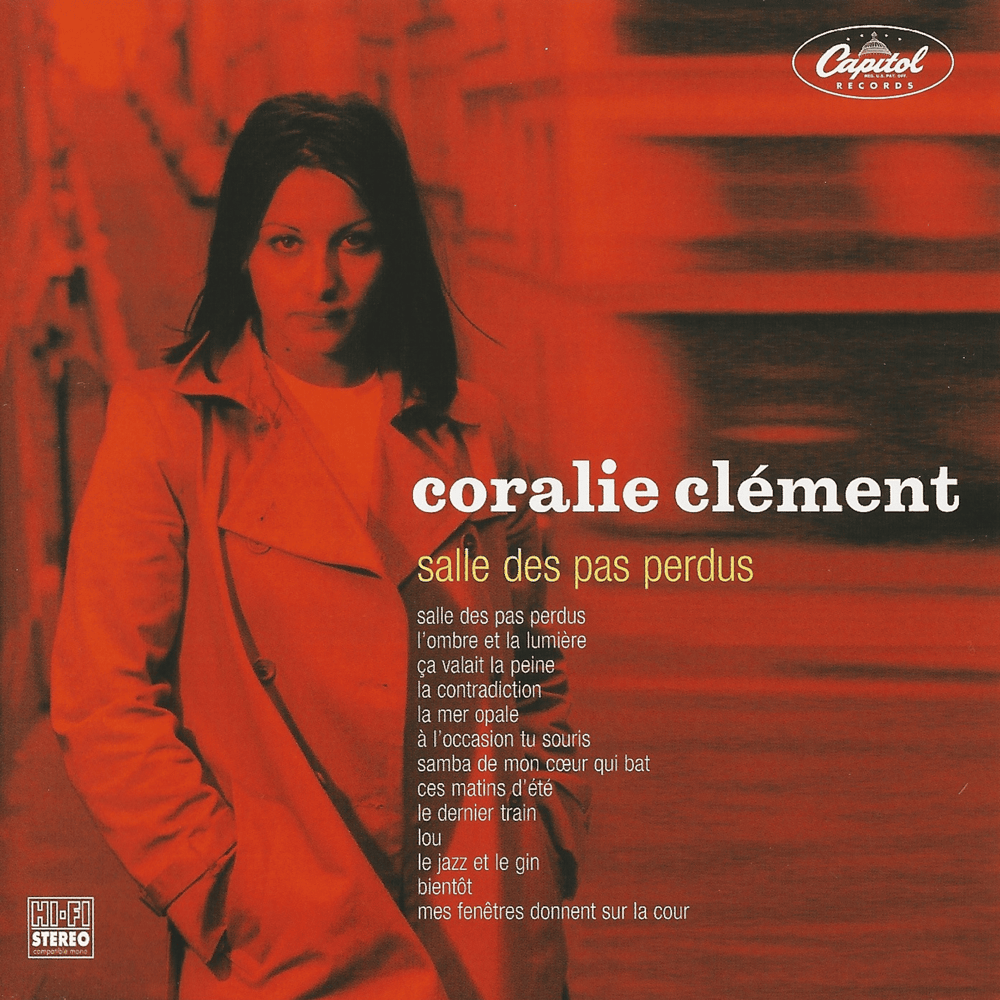
 View Artist