Song Meaning
The lyrics paint a poignant picture of a painter from "my land" who, despite his origins, adopts a "foreign brush" and follows the path of "so many old painters." This implies a disconnect from his own heritage, a theme underscored by the central plea: "Even though the Virgin is white, paint me little black angels." The narrator insists that "all good little black ones" also go to heaven, challenging the established artistic norms that exclude Black figures from divine representation.
The core tension arises from a perceived artistic bias and a questioning of the painter's own values. The narrator directly asks, "Painter, if you paint with love, why do you despise your color?" This points to an internal conflict within the artist, suggesting he may be perpetuating a system that devalues his own background. The lyrics highlight a painful irony: the painter, capable of depicting heavenly scenes with love, seems to forget or deliberately omit Black individuals when portraying sacred spaces like churches.
The most striking aspect is the direct, almost confrontational, appeal to the artist's conscience. The repeated phrase, "But you never remembered to paint a black angel," acts as a refrain of exclusion. It’s not just about representation; it’s about acknowledging the divine worth of all people, regardless of skin color. The lyrics suggest that true love in art should extend to all, including the "little black angels" who, the narrator asserts, are also loved by God and destined for heaven.
This piece resonates because it speaks to the power of art to either reinforce societal biases or challenge them. The narrator’s plea is a powerful call for inclusivity, urging the painter to reflect the full spectrum of humanity in his sacred art. By demanding the inclusion of "little black angels," the lyrics advocate for a more equitable and loving vision of the divine, one that sees beauty and heavenly grace in every color.
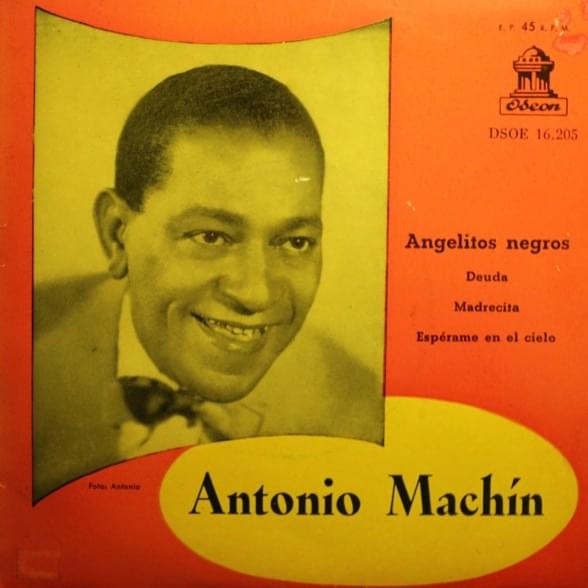
 View Artist