Song Meaning
The narrator expresses an intense desire for lifelong companionship, stating "Toda una vida me estaría contigo" (A whole life I would be with you). This commitment is absolute, unconcerned with the specifics of form, method, or location, as long as they are "junto a ti" (next to you). The initial sentiment is one of unwavering devotion, even extending to a promise of constant affection and care, comparing the beloved to their own life: "Te estaría cuidando como cuido mi vida" (I would be taking care of you like I take care of my life).
However, this profound declaration takes a sharp, disorienting turn. The narrator reveals that the very presence of this person in their life brings not just love, but also extreme negative emotions. The repeated phrase "Que eres en mi vida / Ansiedad, angustia y desesperación" (That you are in my life / Anxiety, anguish, and desperation) directly contradicts the earlier vows of comfort and care. This creates a powerful tension between the expressed desire for permanence and the admitted emotional turmoil the relationship causes.
The most striking aspect of the lyrics is this jarring juxtaposition. The narrator’s willingness to endure a "toda una vida" (whole life) with someone who simultaneously causes them "ansiedad, angustia y desesperación" is the core of the song's emotional weight. The repetition of "siempre, pero siempre, siempre" (always, but always, always) emphasizes the inescapable nature of both the desire for closeness and the resulting distress, suggesting a complex, perhaps even masochistic, attachment.
This lyrical construction makes the song hit hard because it captures a raw, often unspoken, reality of deep emotional connection. It’s not just about the highs; it’s about the profound, sometimes painful, entanglement that can come with loving someone completely. The narrator’s commitment, despite the suffering, highlights a desperate need for this specific person, even if that need is intertwined with their deepest anxieties.
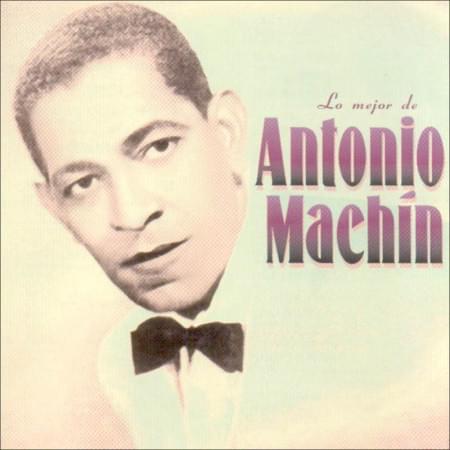
 View Artist