Song Meaning
This song paints a picture of a love that arrived without any formal declarations or expectations. It’s a bond forged not through signed documents or spoken vows, but through the sheer act of existing together. The narrator emphasizes the lack of obligation, stating, "Ni te obligas, ni me obligo," highlighting a freedom within the connection. Yet, this freedom doesn't negate a deep, shared future, as evidenced by the lines, "Y aún así sé que soñamos / Tú conmigo, yo contigo."
The central tension lies in the paradox of an uncommitted commitment. The lyrics repeatedly state, "Sin firmar un documento / Ni mediar un previo aviso / Sin cruzar un juramento / Hemos hecho un compromiso." This isn't a love that followed a script; it's one that emerged organically, almost divinely, as the narrator notes, "Y tan solo de tratarnos / Ha nacido un compromiso." The feeling is one of destiny rather than design, a powerful connection that simply *is*.
The most striking craft element is the series of parallel metaphors illustrating mutual dependence and resonance. Phrases like "Si eres vela, yo soy viento" and "Si eres cauce, yo soy río" powerfully convey how each person's essence propels or shapes the other. These aren't just comparisons; they are declarations of an intertwined fate, where one cannot exist or move without the other. The imagery suggests a natural, elemental force at play in their relationship.
What makes these lyrics resonate is their honest portrayal of a love that defies conventional structures. It captures that rare feeling when two lives align so perfectly that no external validation or contract is needed. The repeated affirmation that this bond, this "compromiso," arose simply from their interaction, "Y tan solo de tratarnos," speaks to the profound impact of genuine connection, suggesting that sometimes the most meaningful relationships are the ones that just happen.
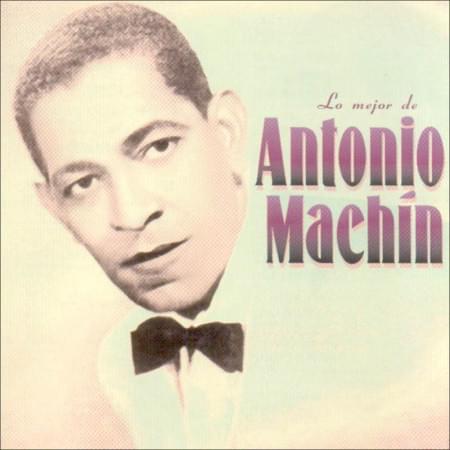
 View Artist