Song Meaning
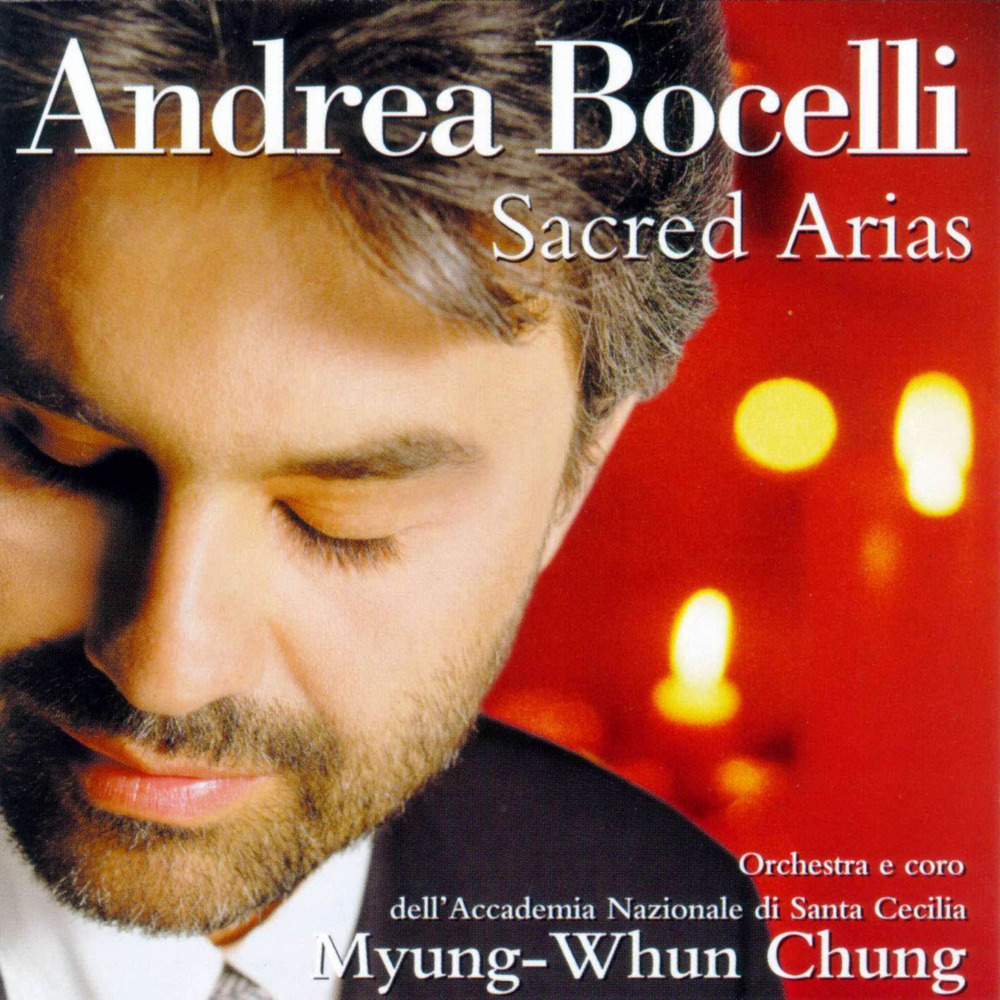
Andrea Bocelli's rendition of "Ave Maria (Cassini/Mercurio)" is more than a simple hymn; it's an operatic exploration of faith, supplication, and mortality. The lyrics, drawn directly from the traditional Catholic prayer, present a layered experience that transcends religious boundaries, touching upon universal human themes of hope and despair. Bocelli's interpretation doesn't just recite the words; it embodies the emotional weight of each phrase, transforming a familiar prayer into a deeply personal plea. The opening lines, "Ave Maria, gratia plena," establish a tone of reverence, acknowledging Mary as a figure of grace and divine favor. But it's the subsequent invocation, "Ora pro nobis peccatoribus," that reveals the core of the song's meaning: a desperate cry for intercession on behalf of sinners. Bocelli's vocal performance emphasizes the vulnerability inherent in this request, highlighting the human need for forgiveness and redemption. The repetition of "Ora, ora pro nobis" amplifies the urgency, conveying a sense of profound dependence on divine mercy.
The song's impact deepens as it confronts the inevitability of death. The lyrics shift to "Nunc et in hora mortis nostrae" – "now and in the hour of our death." This stark reminder of mortality infuses the plea with a heightened sense of desperation. Bocelli's phrasing captures the fear and uncertainty surrounding death, transforming the prayer into a shield against existential dread. The repetition of "In hora mortis nostrae" underscores the universal human anxiety about the unknown, turning the song into a meditation on our shared fate. It’s not merely a religious observance but a profound psychological reckoning with the fragility of life.
Ultimately, Bocelli's "Ave Maria" is a masterclass in emotional delivery. It utilizes the power of music to amplify the inherent drama within a centuries-old prayer. The song's enduring appeal lies in its ability to tap into our deepest fears and hopes, offering solace and a sense of connection in the face of life's greatest challenges. It's a reminder of the power of faith, not just as a religious doctrine, but as a fundamental human response to the complexities of existence. The song's meaning, therefore, resides not only in its sacred text but also in its capacity to evoke empathy and a shared understanding of the human condition.
 View Artist