Song Meaning
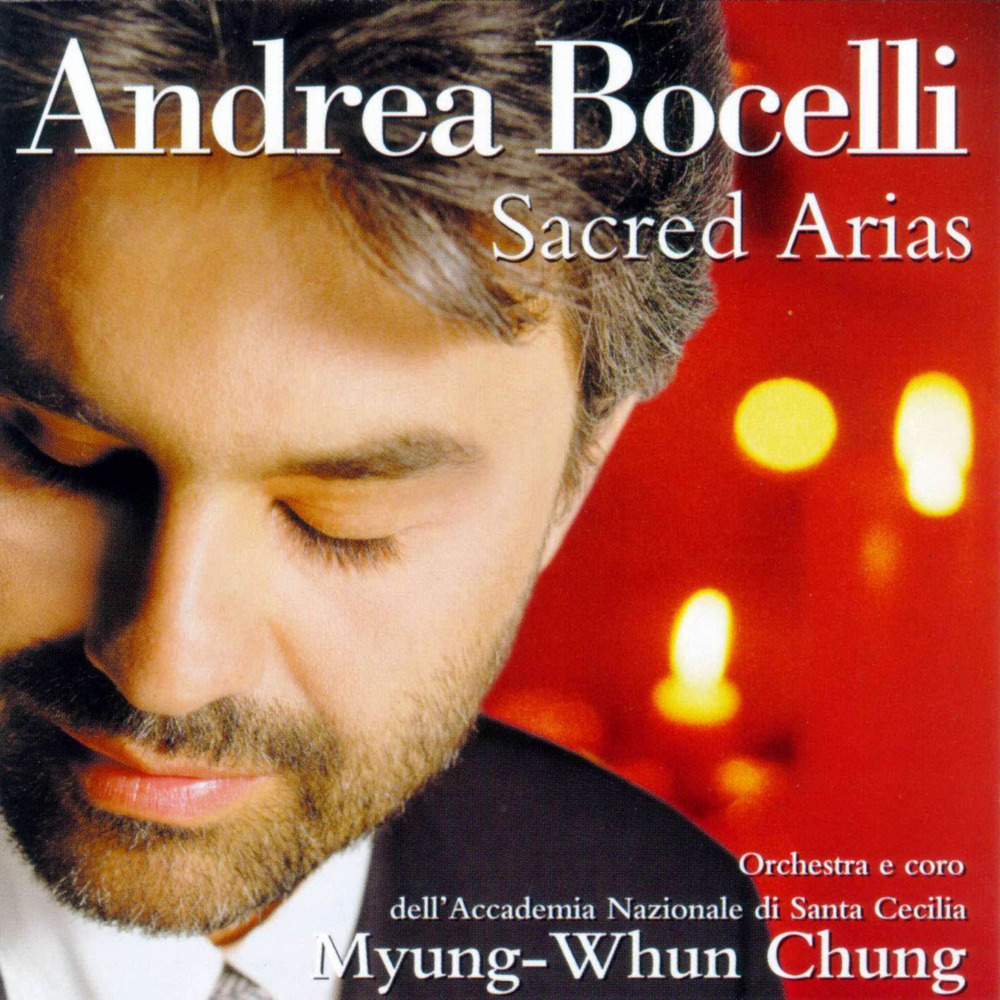
{"song_id": 13857241, "meaning": "Andrea Bocelli's \"Gloria A Te, Cristo Gesù\" isn't merely a song; it's a sonic cathedral, an echo of faith resonating within the listener. The core of the song meaning lies in its unwavering devotion, a paean to Christ as the eternal sovereign. It's a declaration of hope, not in a vague, aspirational sense, but rooted in the figure of Jesus. The lyrics, though simple in structure, are dense with theological weight, repeatedly affirming Christ's reign and imminent return, positioning Him as the sole source of hope for humanity. This isn't just praise; it's an active, participatory invocation. The repeated phrase \"Gloria a te! Presto verrai: Sei speranza solo tu!\" underscores an urgent yearning, a fervent anticipation of divine intervention.
The song's structure, built around recurring verses and refrains, reinforces its message of constancy and unwavering belief. Each verse offers a different facet of Christ's role: forgiver, justicer, source of grace, and the conduit for peace and unity. The invocation of the Virgin Mary, \"Prega con noi / La benedetta Vergine Madre,\" adds a layer of intercession, highlighting the communal aspect of faith and the role of the divine feminine within the spiritual framework. It acknowledges the human need for mediators, figures who can bridge the gap between the earthly and the divine. This verse also speaks to the idea of divine approval, with the lyrics stating that Jesus hears and crowns Mary.
\"Gloria A Te, Cristo Gesù\" transcends simple adoration. It's a communal act of spiritual cleansing and renewal. The lyrics, \"Con il tuo Sangue / Lavi ogni colpa,\" directly address the concept of sin and redemption, presenting Christ's sacrifice as the ultimate act of purification. This resonates deeply within the human psyche, tapping into our inherent desire for absolution and a fresh start. The song also speaks to the universality of faith, with \"Tutta la Chiesa / Celebra il Padre / Con la tua voce,\" suggesting that Christ's voice unifies believers in their worship of God. The song becomes a vessel for collective expression, a way for the faithful to articulate their shared devotion and find solace in unity.
Ultimately, Bocelli's rendition isn't just a performance; it's an offering. The \"Amen! Alleluia!\" exclamations throughout serve as affirmations, sealing each verse with a resounding endorsement of faith. This isn't passive listening; it's an active participation in a timeless ritual, a chance for the listener to engage with their own spirituality and find solace in the promise of divine grace. The song's power lies not only in its beautiful melody but also in its profound message of hope, forgiveness, and the unwavering belief in a higher power. It's a reminder that even in the darkest of times, there is always the possibility of redemption and the promise of a brighter future."}
 View Artist