Song Meaning
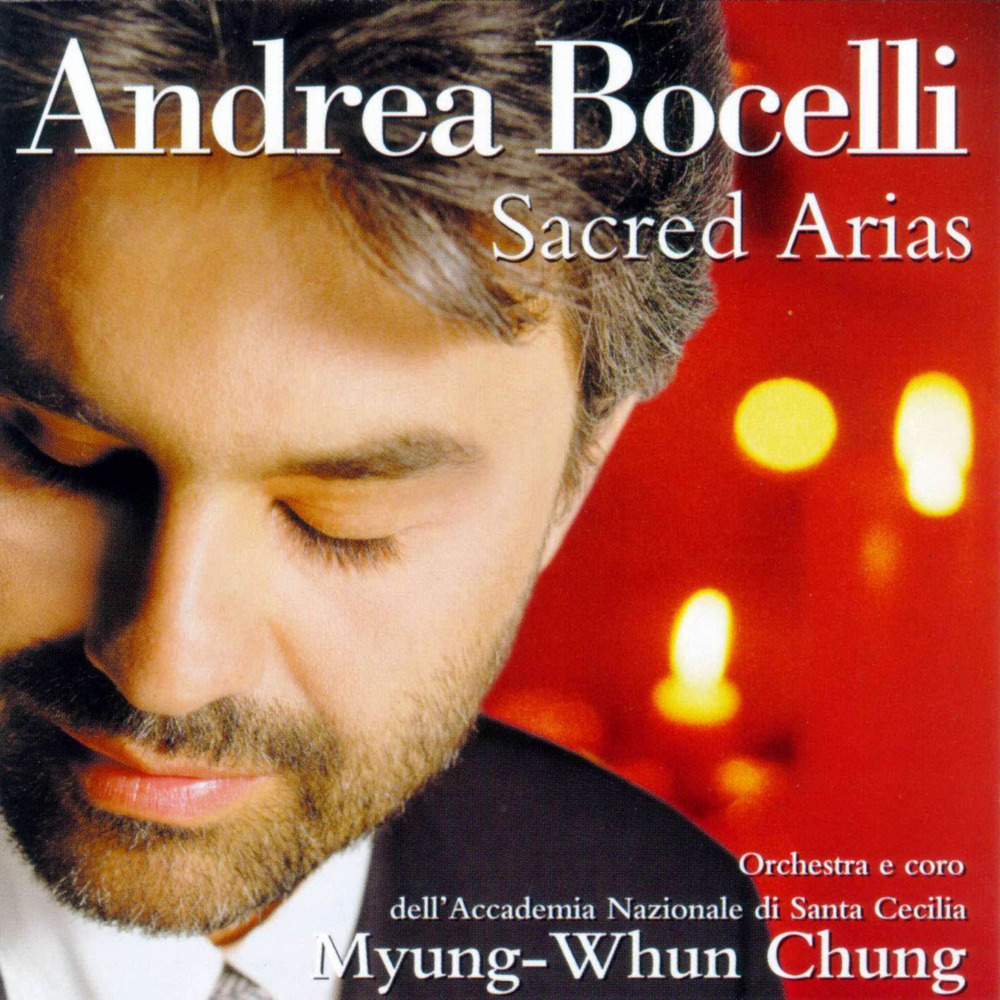
{"song_id": 13857239, "meaning": "Andrea Bocelli's rendition of \"Pietà, Signore\" is less a performance and more a raw, exposed nerve laid bare through operatic form. The song meaning, at its core, is a desperate plea for mercy, a direct address to the divine rooted in fear of eternal damnation. It's a primal scream articulated with the technical precision that Bocelli commands, transforming personal anguish into a universally resonant experience. The lyrics, simple in their repetition, amplify the singer's terror: \"Pietà, Signore / Di me dolente!\" – \"Lord have mercy / On me, in pain!\" This isn't just regret; it's existential dread weaponized into sound.
The genius of \"Pietà, Signore\" lies in its stark simplicity. Stripped of complex narratives or metaphorical conceits, the song delves into the fundamental human terror of divine judgment. The singer anticipates punishment, envisioning himself cast into \"fuoco eterno\" – eternal fire – by a God whose \"rigor\" is absolute. This isn't a nuanced theological debate; it's the visceral terror of a soul facing annihilation. Bocelli's performance doesn't merely convey this fear, it embodies it, forcing the listener to confront the same chilling prospect. The constant repetition of \"Signor, pietà\" drills the desperation into the listener’s consciousness.
The psychological weight of the song hinges on the tension between deserved punishment and the hope for forgiveness. The singer acknowledges potential transgressions – \"Non mi punisca / Il tuo rigor\" – but simultaneously begs for leniency: \"Meno severi / Clementi ognora / Volgi i tuoi sguardi / Sopra di me.\" This is the classic push and pull of faith, the inherent paradox of a being both flawed and yearning for redemption. Bocelli's vocal control, the way he teeters on the edge of breaking, amplifies this internal conflict. The song becomes a mirror, reflecting our own anxieties about mortality, judgment, and the possibility of grace. "}
 View Artist