Song Meaning
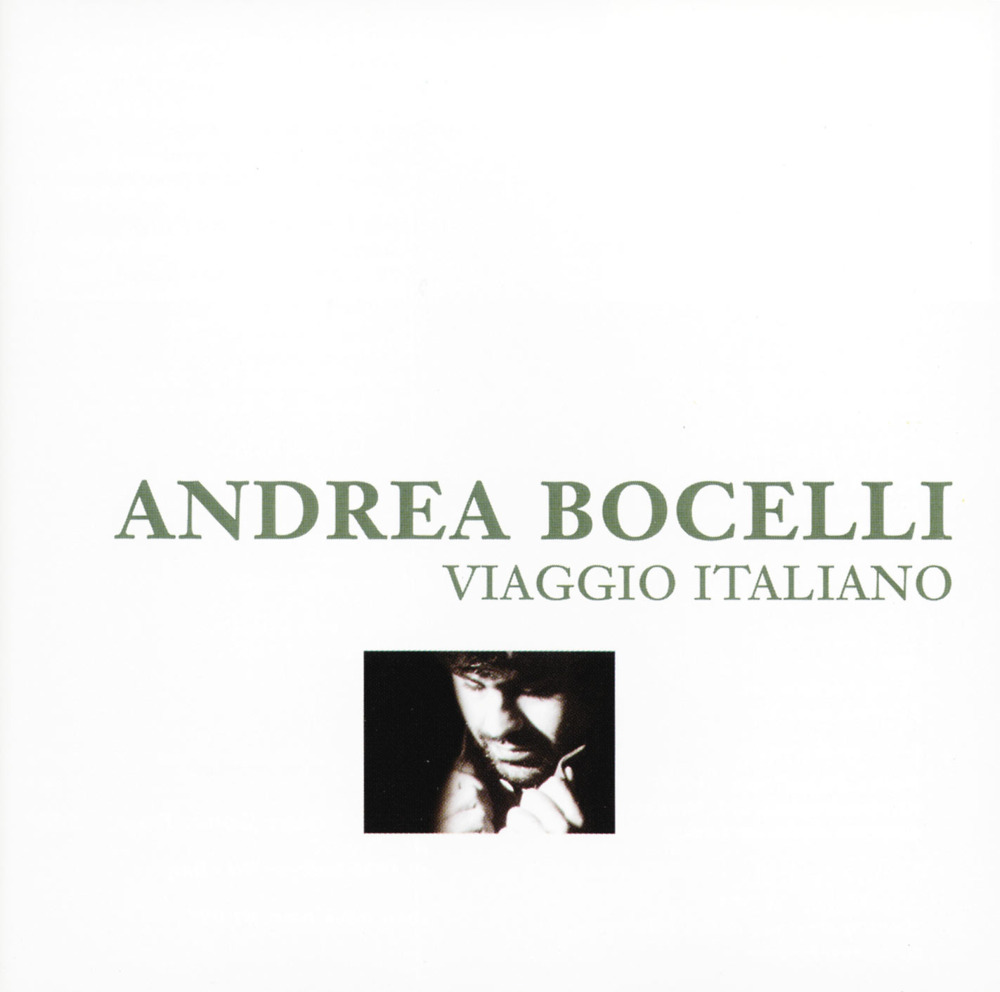
{"song_id": 13854973, "meaning": "Andrea Bocelli's rendition of \"Adeste Fideles (O Come, All Ye Faithful)\" isn't just a carol; it's a carefully constructed invitation into collective awe. The lyrics, simple yet profoundly moving, act as a communal summons. The opening lines, \"O come, all ye faithful, joyful and triumphant,\" immediately establish a mood of shared elation and victory. This isn't a passive observation of faith; it's an active participation, a call to shed cynicism and embrace collective belief. Bocelli's performance adds a layer of operatic grandeur, transforming a familiar hymn into a moment of high emotional drama. The repetition of \"O come, let us adore Him\" functions as a hypnotic mantra, drawing listeners deeper into a state of reverence. The lyrics never explicitly define what 'adoration' entails, leaving space for individual interpretation.
The genius of \"Adeste Fideles,\" and Bocelli's interpretation, lies in its ability to tap into primal human needs for belonging and transcendence. The lyrics subtly promise a reward for participation: to \"behold Him, born the King of Angels.\" This offering of direct access to the divine, coupled with the encouragement to \"sing, choirs of angels,\" appeals to both our desire for connection and our yearning for something beyond the mundane. The song acknowledges the human condition—our need for joy, triumph, and a sense of purpose—and offers faith as the answer.
Ultimately, the song meaning circles back to the core of faith. It is about communal experience and shared values. The phrase \"Word of the Father, now in flesh appearing\" encapsulates the central mystery of the incarnation, grounding the ethereal in the tangible. It is about hope and the promise of renewal, cleverly disguised within a familiar and accessible melody. Bocelli’s voice amplifies this, making the song not just a declaration of faith, but an emotional experience."}
 View Artist