Song Meaning
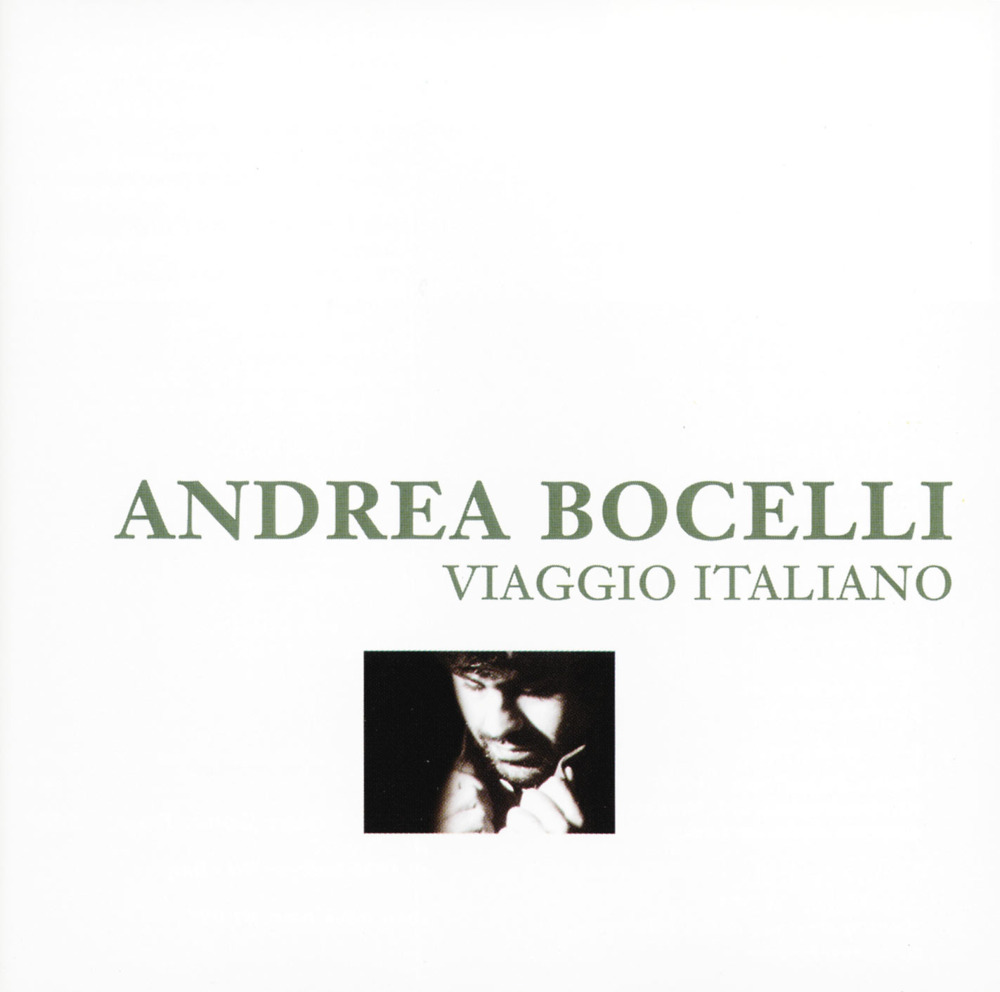
Andrea Bocelli's rendition of "Core 'ngrato" is a masterclass in operatic heartbreak, a raw, almost theatrical lament of unrequited love. The song, steeped in Neapolitan passion, is less a gentle ballad and more a primal scream directed at the elusive Catarí. The lyrics paint a portrait of a man utterly consumed, his emotional state oscillating between desperate pleas and bitter accusations. He questions Catarí's cruelty ('Pecché me dici sti parole amare'), reminding her of the heart he willingly surrendered. This isn't a polite request for affection; it's a visceral confrontation with the pain of having one's vulnerability weaponized. The rawness is amplified by the conversational tone, as if we are eavesdropping on a private, agonizing moment. Bocelli’s interpretation brings a particular gravitas to this feeling.
The repeated refrain, "Core, core 'ngrato" (Ungrateful heart), serves as both an indictment and a self-inflicted wound. The singer acknowledges the totality of his loss ('T'aie pigliato 'a vita mia'), yet remains fixated on the indifference of Catarí. This speaks to a common psychological phenomenon: the difficulty of letting go, even when faced with undeniable rejection. The lyrics suggest a struggle with acceptance, a refusal to believe that the object of affection could be so unmoved by his suffering. He goes to the extreme of confessing his love-stricken state to a priest, highlighting the depth of his despair. The priest's advice to 'Lássala stá' (Leave her be) is a stark contrast to the singer's emotional turmoil, representing a voice of reason that he seems unable or unwilling to heed.
Ultimately, the song meaning of "Core 'ngrato" resides in its unflinching portrayal of love's darker side. It's not a celebration of romance, but an exploration of the agony of unreciprocated desire and the difficulty of detaching from a painful attachment. The beauty of Bocelli's performance lies in his ability to convey both the vulnerability and the desperation inherent in such a situation, transforming personal anguish into a universal expression of the human heart's capacity for both love and suffering.
 View Artist