Song Meaning
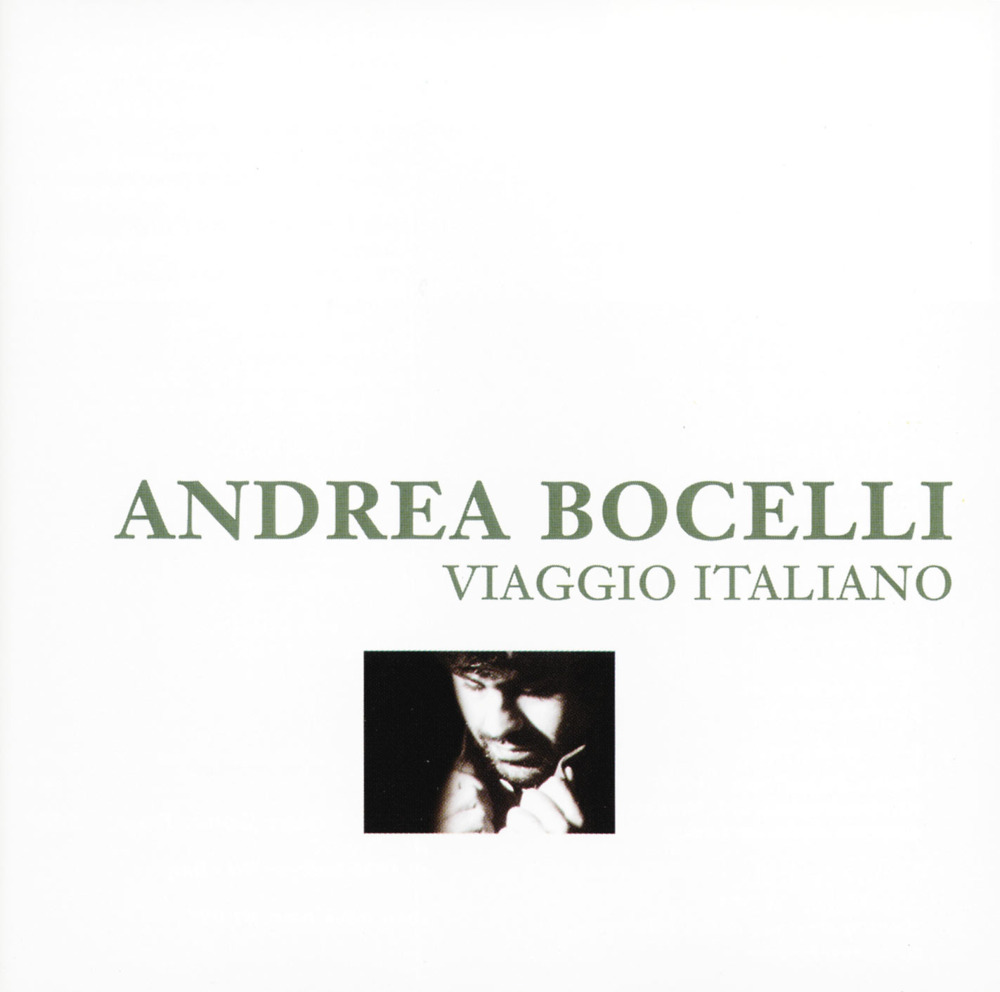
{"song_id": 13854972, "meaning": "Andrea Bocelli's rendition of Cesar Franck's \"Panis Angelicus\" isn't just a song; it's a devotional experience, a sonic meditation on faith and humility. The Latin text, traditionally sung during the Eucharist, speaks of the 'Bread of Angels' becoming the 'Bread of Mankind,' a celestial gift that transcends earthly limitations. Bocelli's performance, imbued with his signature operatic gravitas, underscores the profound mystery at the heart of the piece: the act of consuming the divine. It's a transformation, not just of the bread and wine, but of the believer. The 'wondrous thing' ('O res mirabilis') is the embodied presence of the Lord, made accessible to all. Franck's melody, simple yet soaring, perfectly complements the theological weight of the lyrics. The repetition reinforces the central tenet of transubstantiation, the belief that the bread and wine literally become the body and blood of Christ.
The repeated phrase 'Pauper, servus et humilis' ('Poor, servant and humble') serves as a crucial counterpoint. It's a reminder that access to the divine is not predicated on earthly power or status. Rather, it's the humble, the servants, the poor in spirit who are most receptive to grace. Bocelli's interpretation brings out this tension beautifully, his voice both powerful and vulnerable, reflecting the paradoxical nature of faith itself. The song's meaning, therefore, extends beyond a simple statement of religious doctrine; it's an invitation to examine one's own relationship to power, humility, and the sacred.
Ultimately, Bocelli’s \"Panis Angelicus\" is a musical encapsulation of spiritual longing. It bypasses the intellect and speaks directly to the soul, offering solace and a sense of connection to something larger than oneself. The lyrics analysis reveals a potent message of hope, accessible to anyone willing to approach it with an open heart and a spirit of humility. It’s a reminder that even in our brokenness, we are worthy of divine love and sustenance."}
 View Artist