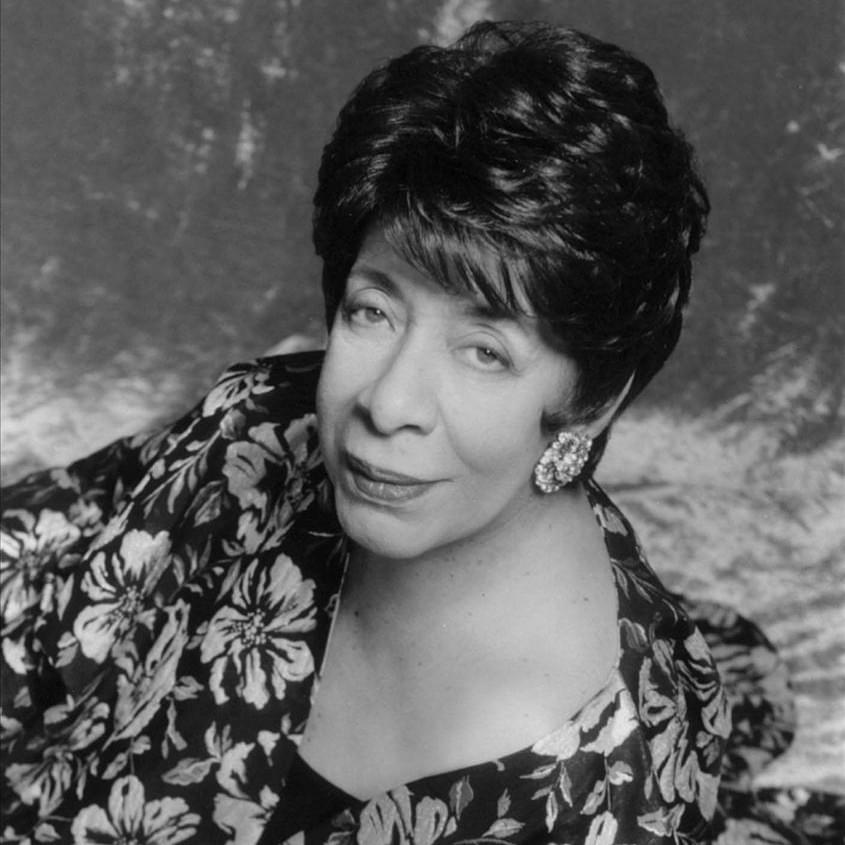
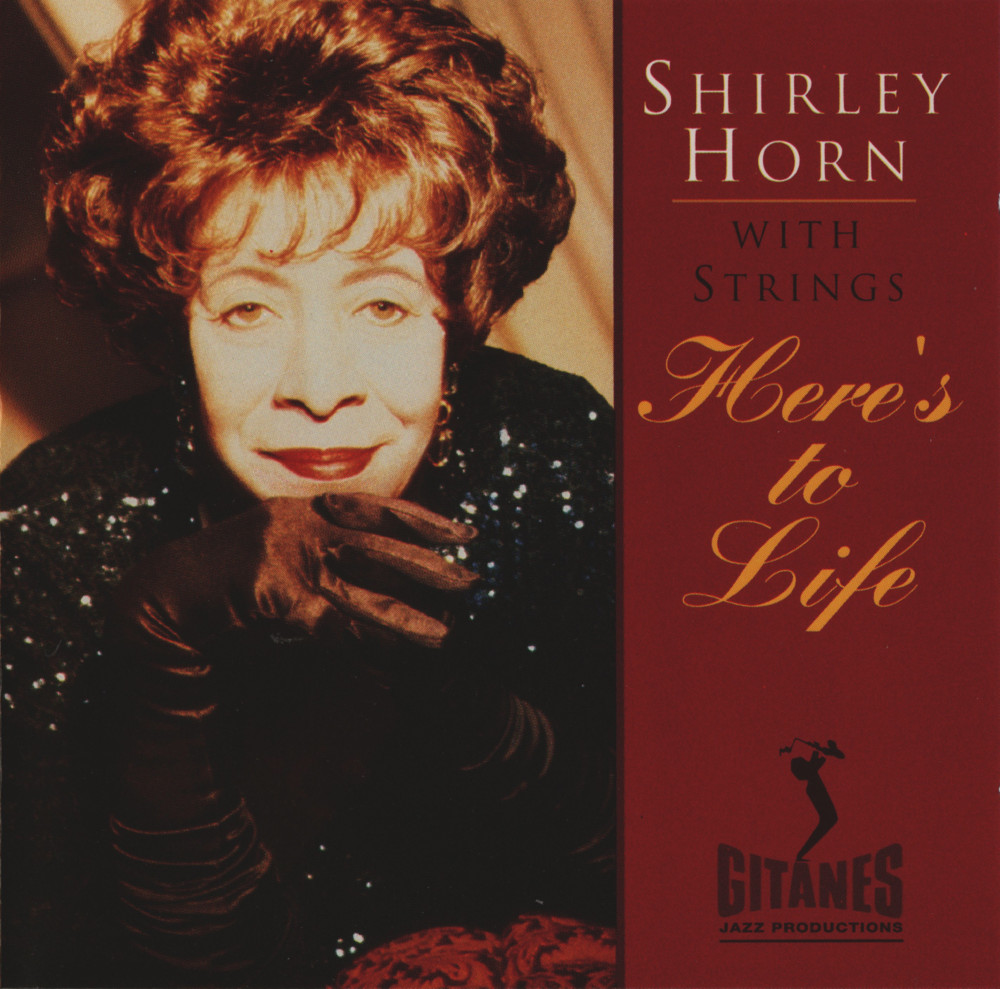
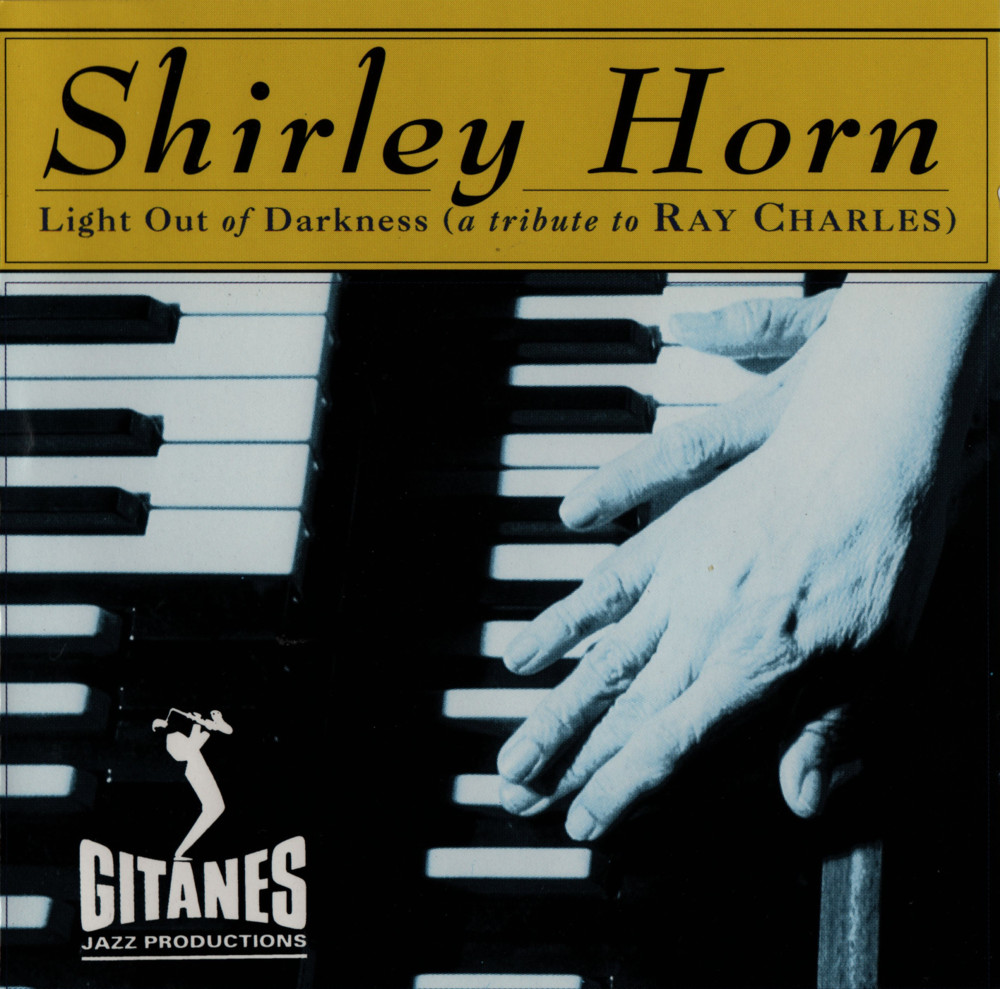
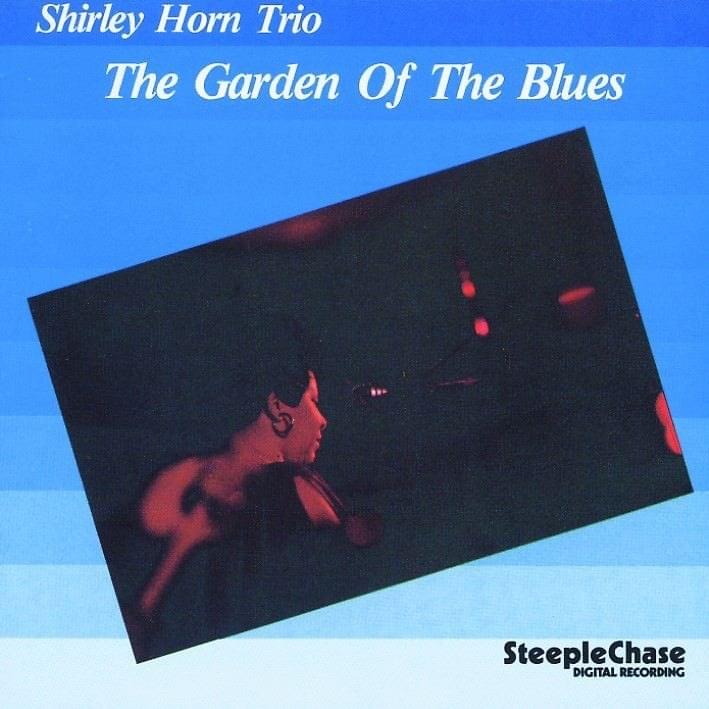
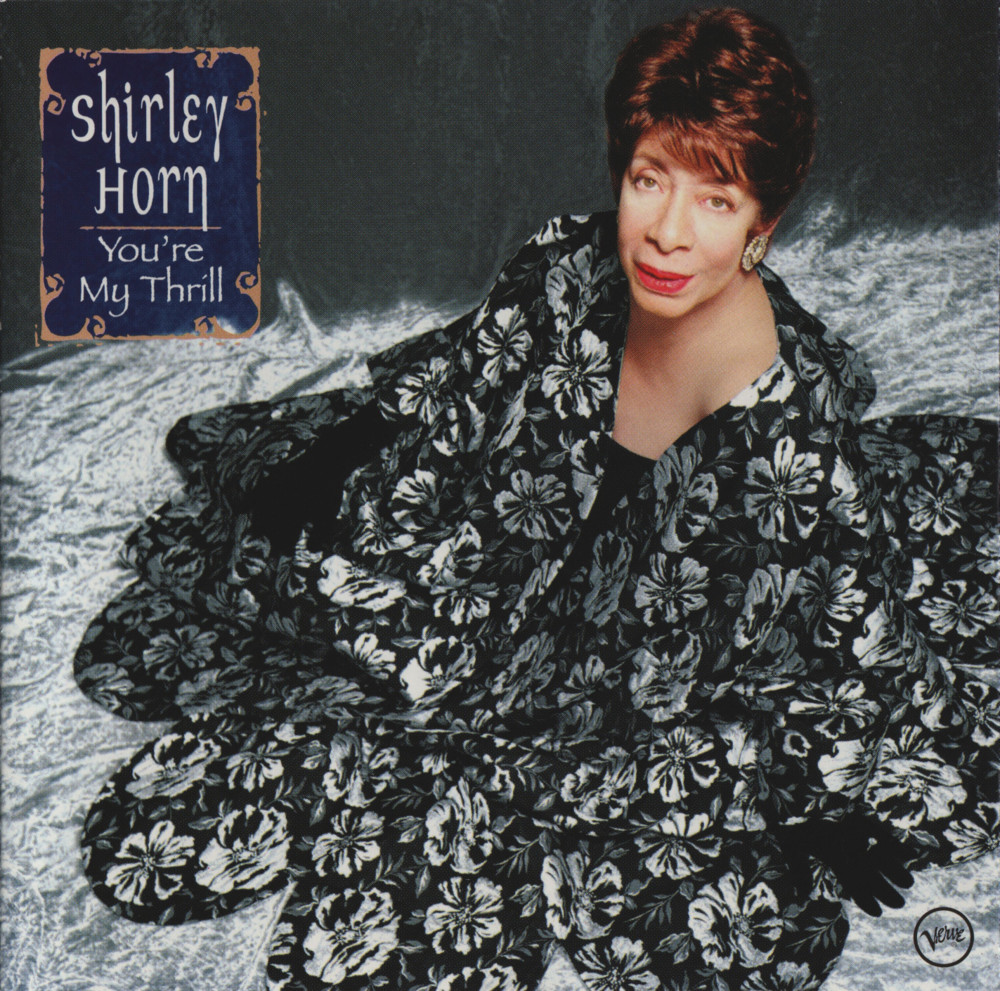
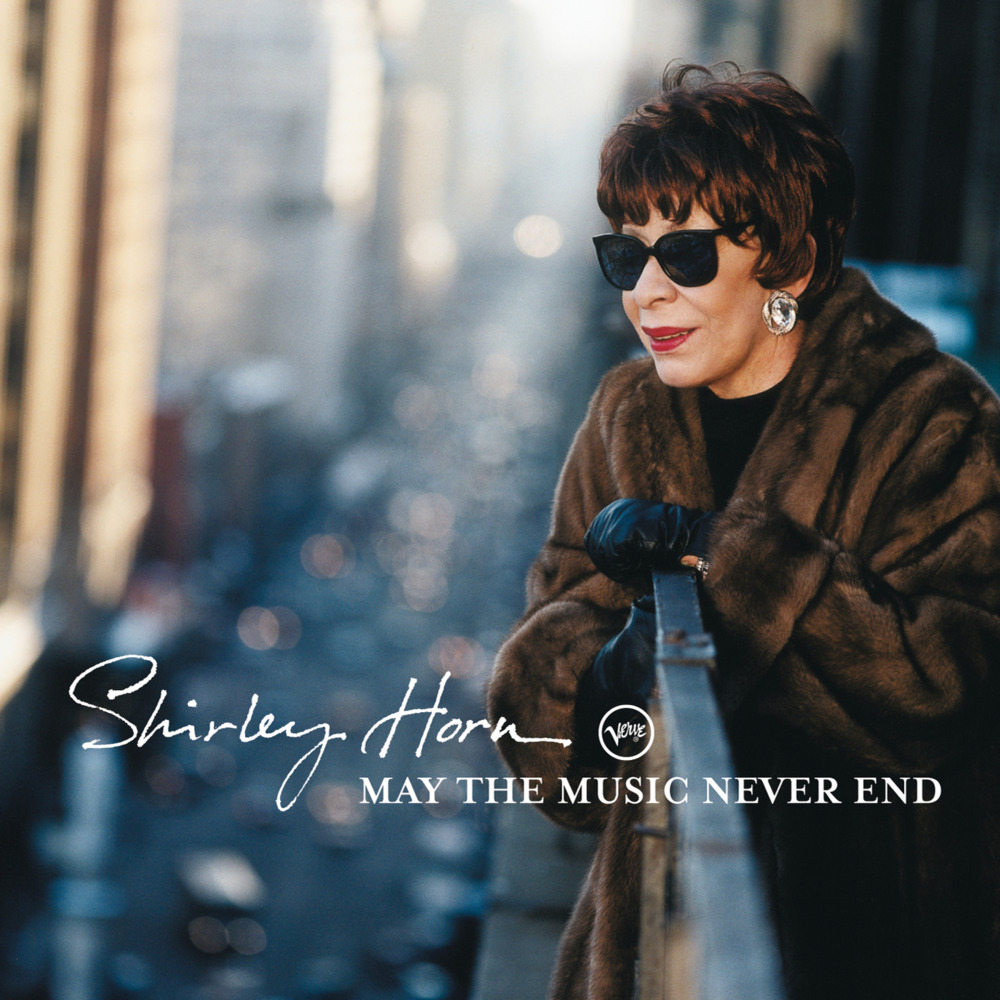
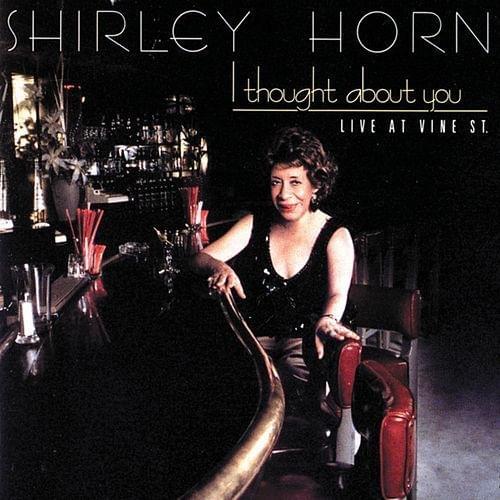
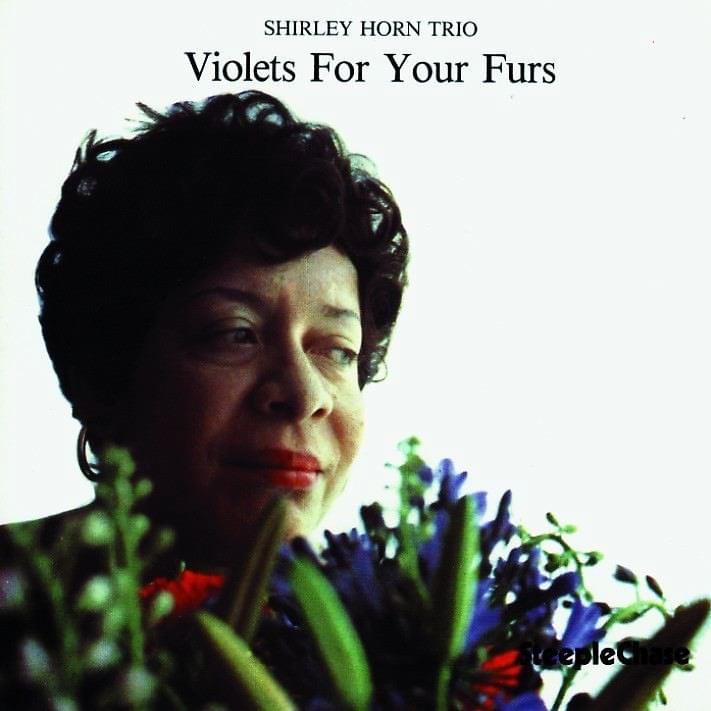
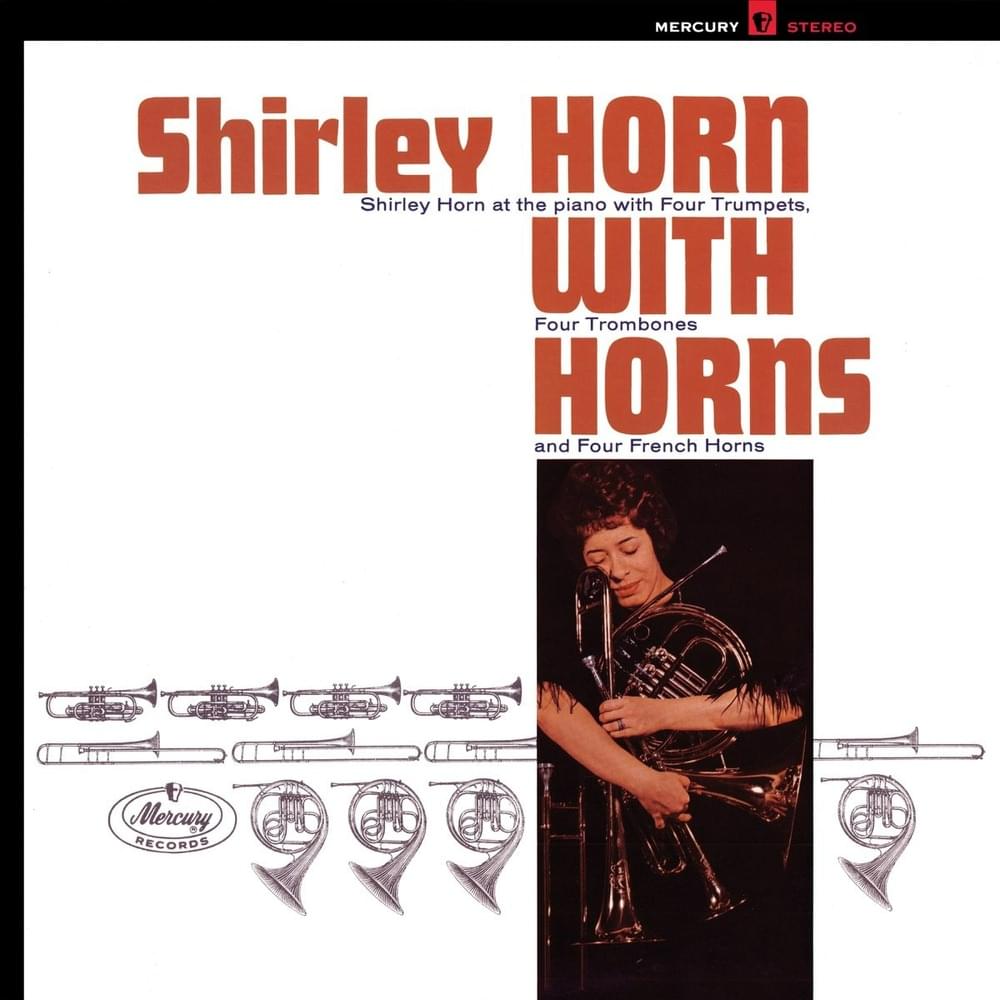
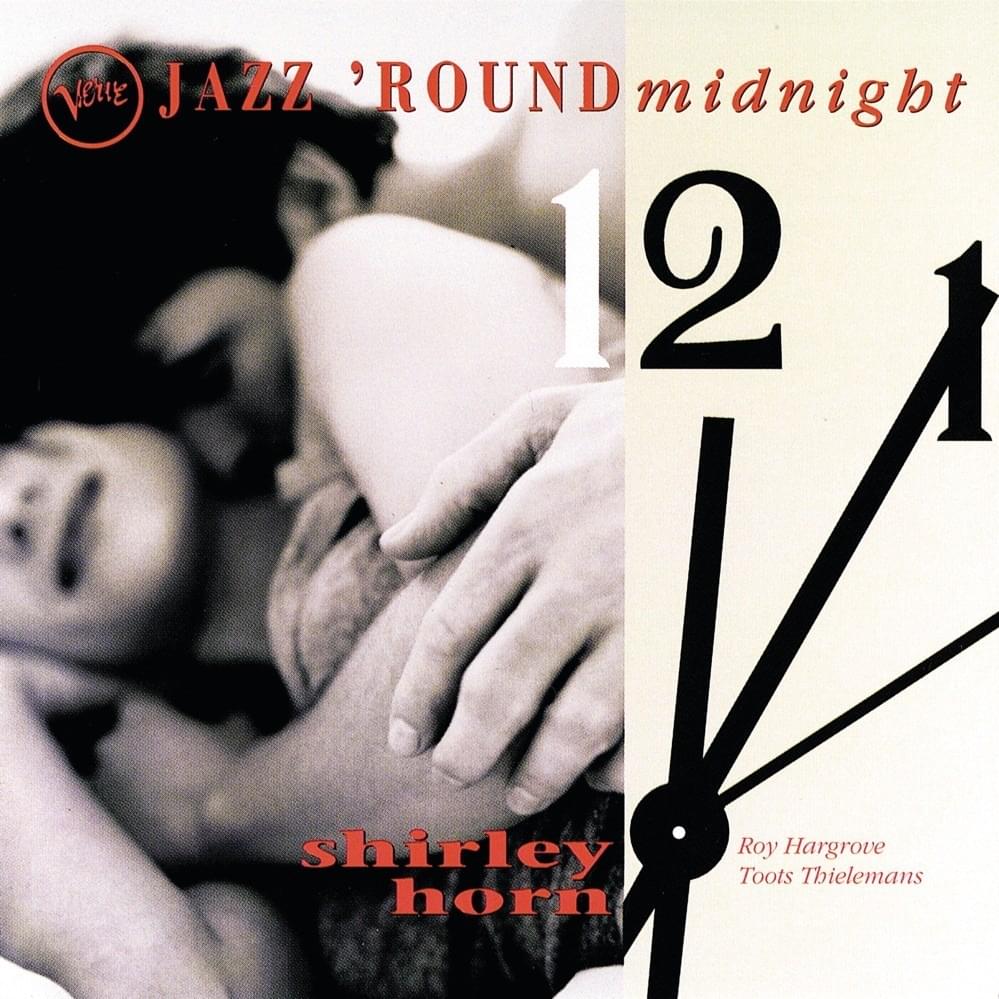
Shirley Horn, a vocalist and pianist of unparalleled grace and understated power, carved a unique niche in the world of jazz. Born in Washington, D.C., Horn’s musical journey began with classical piano training, but her heart ultimately belonged to the improvisational freedom and emotional depth of jazz. Her distinctive style, characterized by its deliberate pacing, hushed vocals, and masterful use of space, set her apart from her contemporaries and continues to captivate listeners today.
Horn's early influences ranged from Nat King Cole to Lester Young, and she quickly developed a reputation for her ability to convey profound emotion with remarkable economy. She wasn't one for flashy displays of vocal acrobatics; instead, she relied on subtle inflections, carefully chosen phrasing, and a deep connection to the lyrics she sang. This intimate approach is evident in her interpretations of classic standards and original compositions alike.
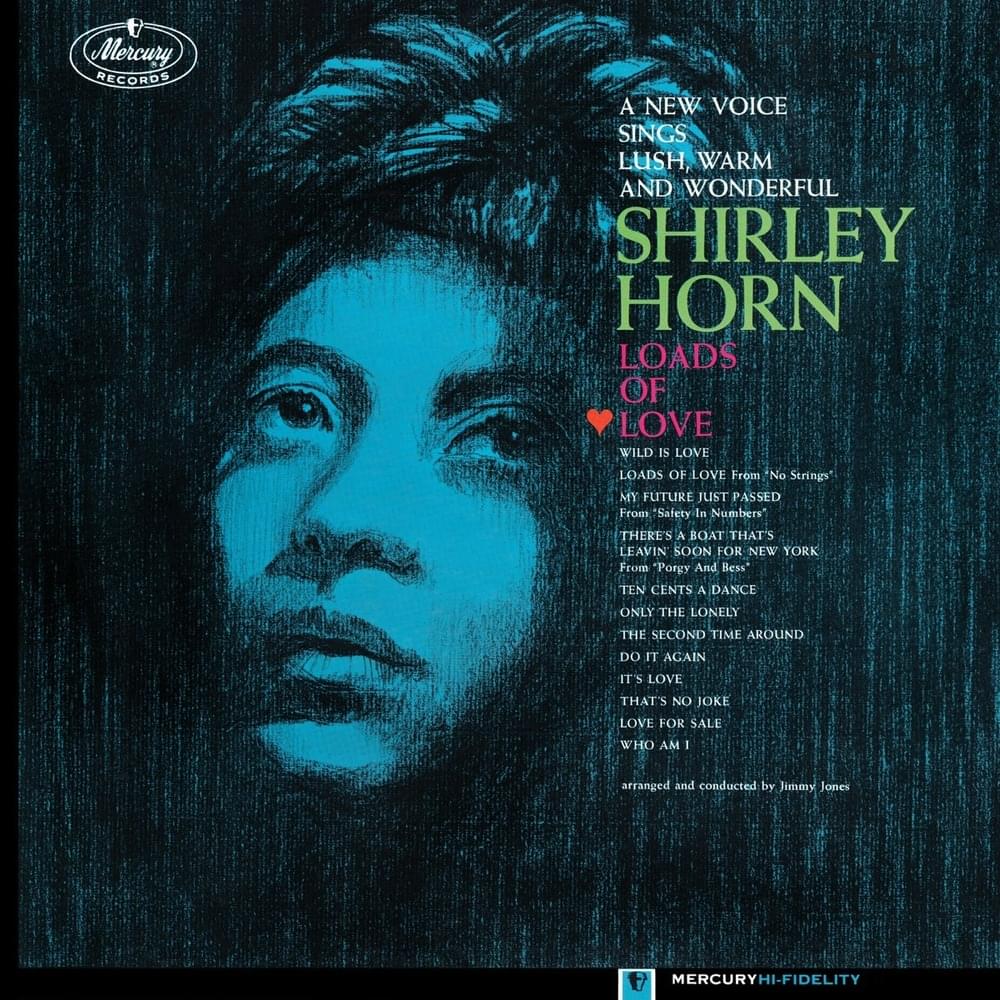
Her discography is a testament to her artistry, featuring a wealth of recordings that showcase her talent as both a vocalist and pianist. She had a knack for making each song her own, infusing it with her signature blend of melancholy and quiet strength. One can hear that in tracks like Close Enough for Love where the emotion is raw but controlled, and in the hopeful longing expressed in My Future Just Passed.
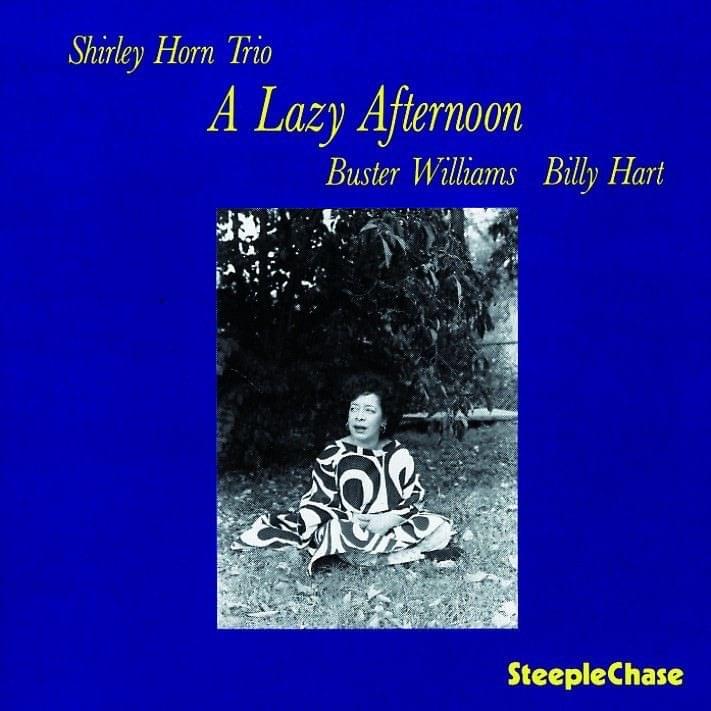
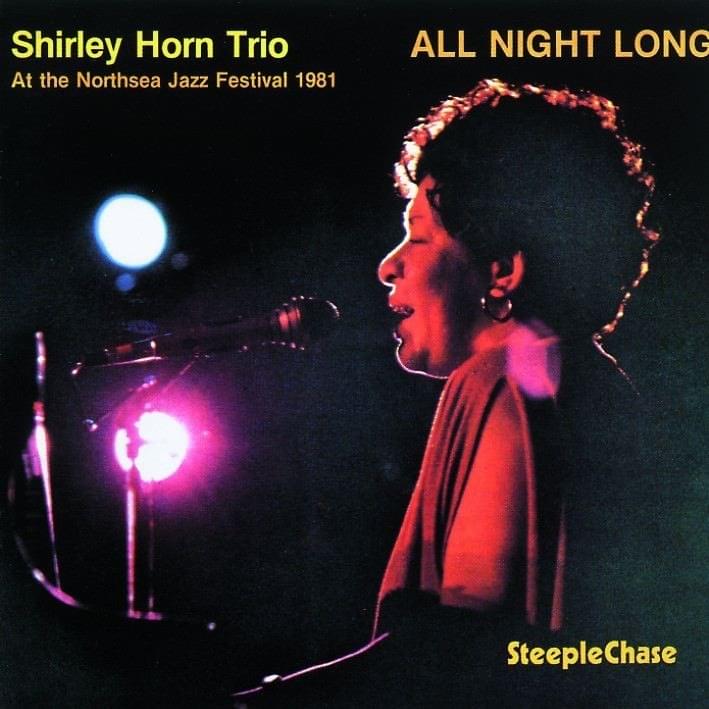
Shirley Horn's performances were often characterized by her trio format, with her playing piano while simultaneously singing. This required immense skill and coordination, and it allowed her to create a truly unique and intimate musical experience. The spaces between the notes were as important as the notes themselves, allowing the listener to fully absorb the emotion of the song. She had a way of drawing you in, making you feel as though you were the only person in the room. She could take a well-known song like Isn't It Romantic and make it feel brand new, revealing hidden depths and nuances that had never been heard before.
While she preferred a slow burn to instant gratification, Horn eventually garnered the recognition she deserved, earning critical acclaim and a dedicated following. Her influence can be heard in the work of numerous contemporary jazz vocalists, and her recordings continue to inspire and move listeners around the world. She often took songs such as Ten Cents a Dance and transformed them into something special.
Shirley Horn passed away in 2005, but her music lives on, a testament to her unique vision and unwavering commitment to her art. Her interpretations of songs such as This Can't Be Love remain a testament to her artistry.