Song Meaning
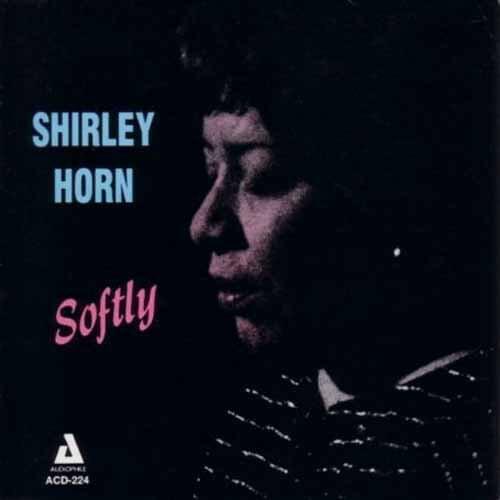
Shirley Horn's rendition of "Forget Me" isn't just a song; it's a masterclass in emotional paradox, a study in the push and pull of a love affair destined for heartbreak. The core tension lies in the repeated plea, "Forget me," delivered with what one imagines is a complex mixture of guilt and self-preservation. It's a demand layered with the implicit understanding that forgetting is the last thing the singer is capable of doing. The man in the song simultaneously ignites passion ("He set it on fire") and attempts to extinguish its flame, revealing a deep-seated conflict within himself, perhaps born of fear or an inability to fully commit. He's handing her a preemptive defense against the pain he knows he'll cause. It’s a warped kind of mercy.
The lyrics analysis reveals a stark imbalance of power. He dictates the terms of the relationship, even in its imagined ending. His "whispers" suggest intimacy, yet they carry a cold calculation. The singer, on the other hand, is consumed by a love that transcends reason. The repetition of "I knew I'd never forget him" isn't just a statement of fact; it's a declaration of her vulnerability, a surrender to the inevitable ache of memory. She recognizes the futility of his request, understanding that the imprint he's made on her heart is indelible. The very act of him begging her to forget only serves to intensify the memory, creating a cruel irony at the heart of the song's meaning.
Ultimately, "Forget Me" becomes an exploration of the psychology of doomed romance. It's about the way we cling to what we know will hurt us, the magnetic pull of a love that's both desired and forbidden. The piano solo, presumably placed strategically, isn't just an interlude; it's a space for the singer to wrestle with her emotions, to confront the reality of a love that demands erasure even as it burns bright. It's a sophisticated portrayal of the enduring power of memory and the painful beauty of loving someone you can't, and perhaps shouldn't, have.
 View Artist