Song Meaning
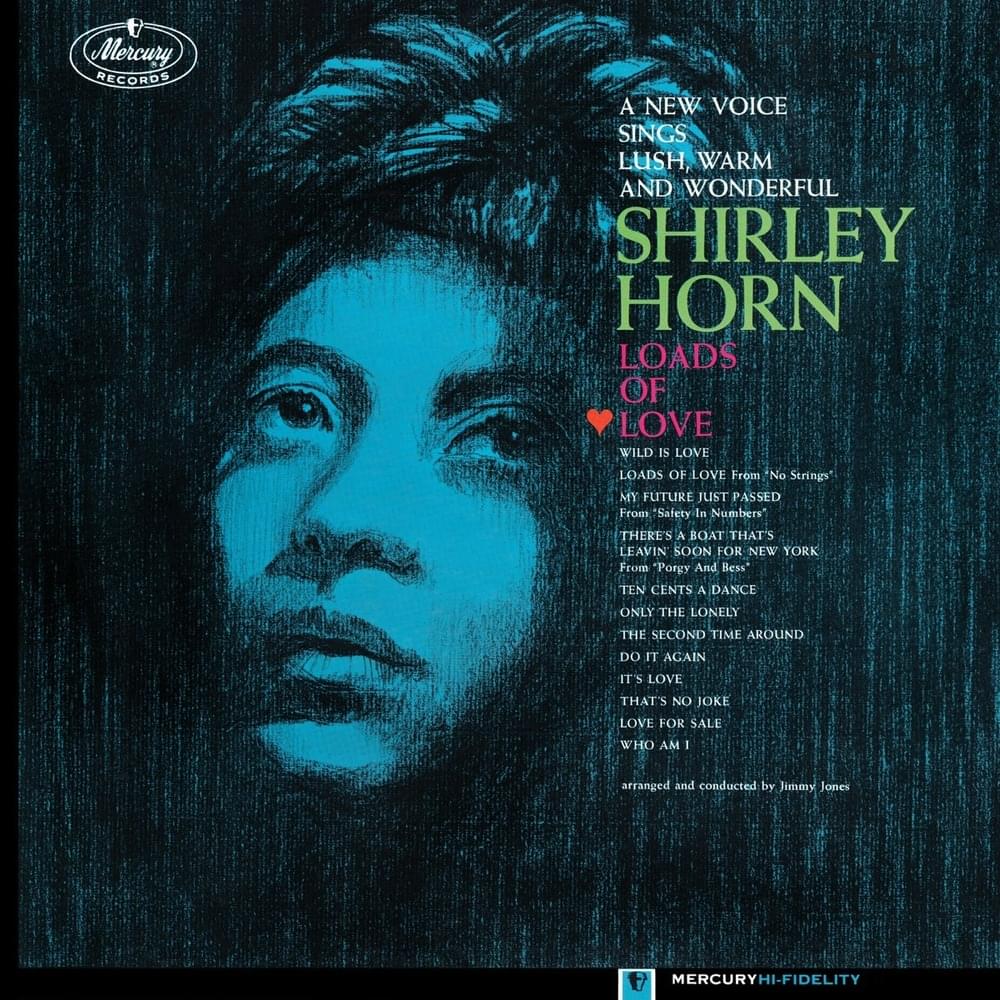
Shirley Horn's rendition of "Ten Cents a Dance" isn't just a song; it's a stark portrait of transactional intimacy, a world where human connection is reduced to pocket change. The lyrics paint a picture of a dance hall girl, her voice laced with weary resignation as she navigates a nightly grind of fleeting encounters. The phrase 'ten cents a dance' becomes a chilling mantra, underscoring the devaluing of her personhood. It's not just about the money; it's about the emotional toll of being 'weighed down' by the expectations and desires of strangers. The 'pansies and rough guys' who 'tear my gown' are not romantic partners, but fleeting interactions that chip away at her spirit. The song meaning centers on the commodification of affection and the psychological cost of such a life.
Musically, the juxtaposition of the narrator's internal world and the external chaos of the dance hall is key. The 'loudly' blowing saxophone and 'tearing' trumpets represent the overwhelming sensory environment, a constant assault on her senses that mirrors the emotional assault she endures. The 'customers crush my toes,' a vivid image of physical discomfort that symbolizes the larger pain of her situation. The repetition of 'Sometimes I think I've found my hero / But it's a queer romance' highlights the persistent, perhaps delusional, hope for genuine connection amidst the superficiality. This 'queer romance' isn't about sexual orientation, but about the twisted, distorted nature of relationships built on a purely commercial basis. The idea that 'all that you need is a ticket' is a brutal summation of the emotional distance and alienation at the heart of the song.
Ultimately, "Ten Cents a Dance" is a poignant exploration of loneliness and the human need for connection in a world that often reduces people to mere commodities. The 'fighters and sailors and bowlegged tailors' who can 'rent me' represent a broad spectrum of humanity, all seeking solace, however temporary, in the arms of another. The song's brilliance lies in its ability to evoke empathy for a woman trapped in a cycle of exploitation, her spirit slowly eroded by the endless parade of 'sweethearts my good luck has sent me.' Shirley Horn's interpretation amplifies the song's inherent sadness, transforming it into a haunting meditation on the price of survival and the enduring search for love in the most unlikely of places.
 View Artist