Song Meaning
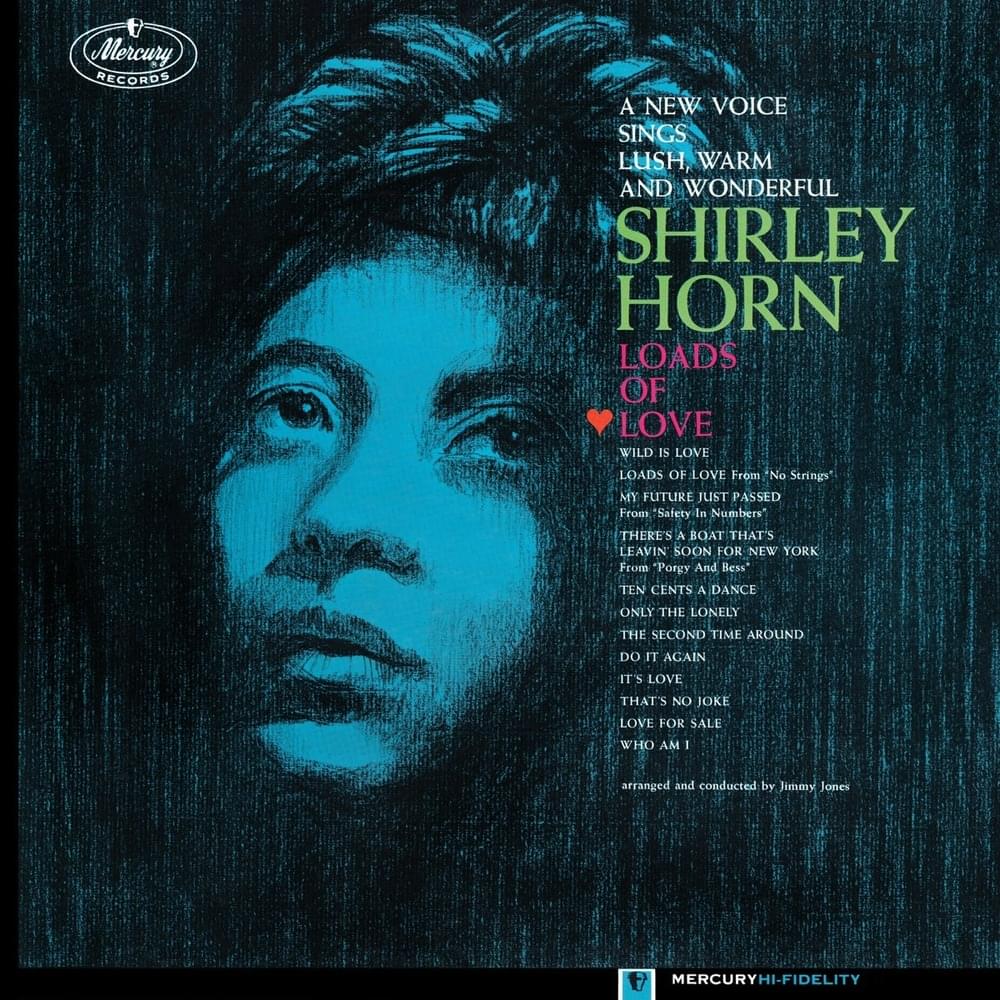
Shirley Horn's "My Future Just Passed" isn't just a torch song; it's a masterclass in emotional immediacy. Horn distills the agonizing, exhilarating moment of romantic recognition into a potent three-minute drama. The lyrics depict a woman confronted with a sudden, overpowering infatuation, a schoolgirl crush resurfacing with adult intensity. The object of her affection is not just a potential lover, but seemingly the linchpin of her future happiness. The repetition of "My future just passed" underscores the feeling that this encounter is not merely chance, but destiny, a fleeting opportunity that demands immediate action. It's the kind of sentiment that can grip you when you see someone across a crowded room and suddenly everything before and after seems irrelevant.
The song's brilliance lies in its raw vulnerability. The speaker isn't coy or detached; she's utterly consumed. There’s a thread of desperation woven through the lyrics—"Life can't be that way, to wake me then break me"—revealing the high stakes she's placed on this potential relationship. She acknowledges the uncertainty, the possibility that this “boy” is already taken, yet the sheer force of her feelings compels her to consider drastic measures: "If he is tied, the ties must be broken." This isn't a casual flirtation; it's a life-altering crossroads. The appeal to the "stars in the blue" speaks to a yearning for cosmic alignment, a plea for fate to intervene on her behalf.
But beyond the infatuation, "My Future Just Passed" also hints at a deeper awakening. The lines "Now that I'm loving, I'm living at last" suggest that this romantic encounter is not just about finding a partner, but about discovering a vital part of herself. The song implies that love, or the potential for it, is the catalyst for her own self-realization. Horn captures the transformative power of desire, the way it can ignite a sense of purpose and bring one fully into the present moment. It’s a reminder that sometimes, the most profound moments of self-discovery arrive not through introspection, but through the unexpected spark of connection with another.
 View Artist