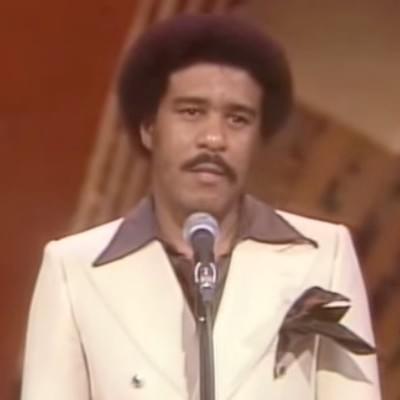
Photo of Richard Pryor

Richard Pryor

11.1K Listeners

Artist Bio

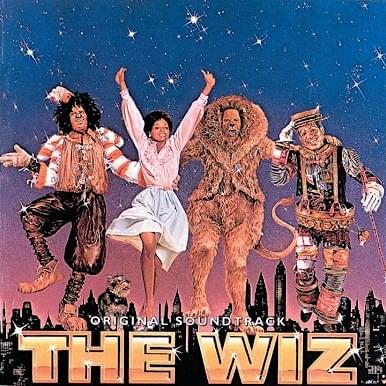
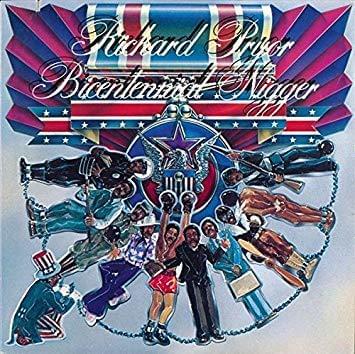
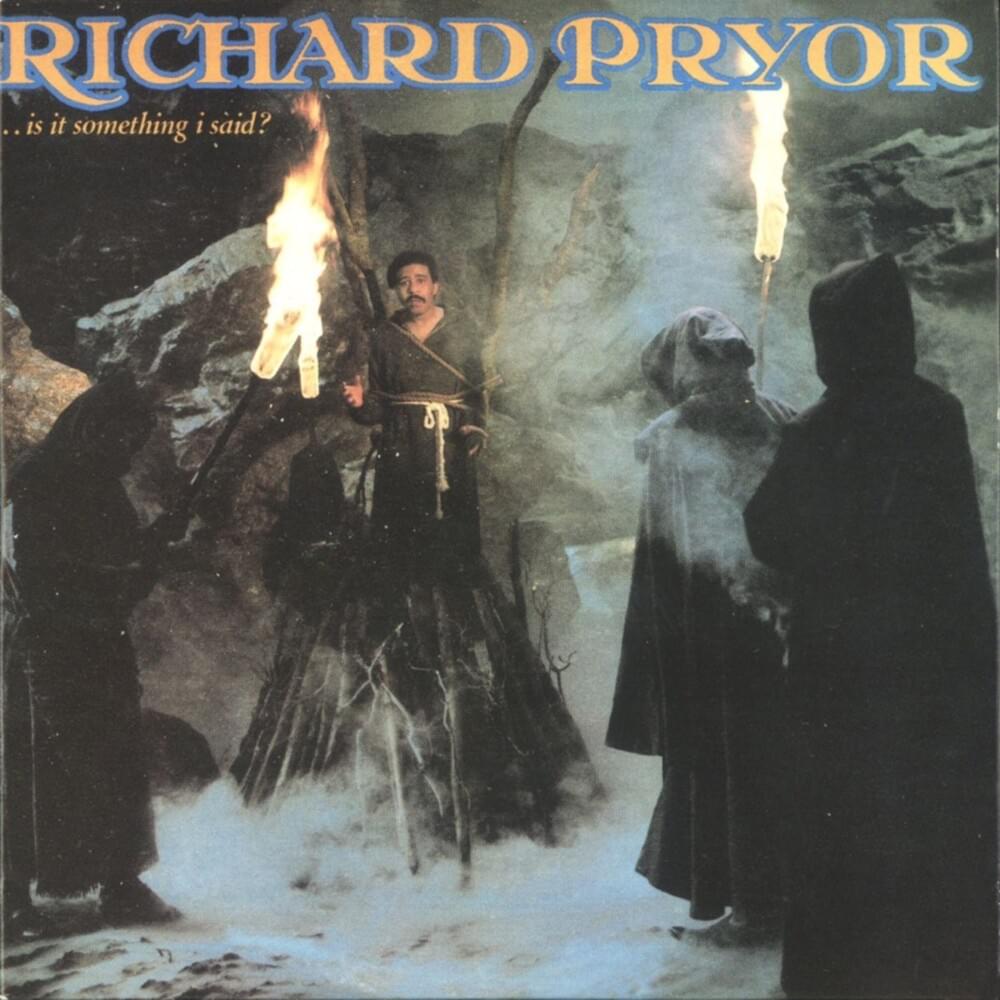
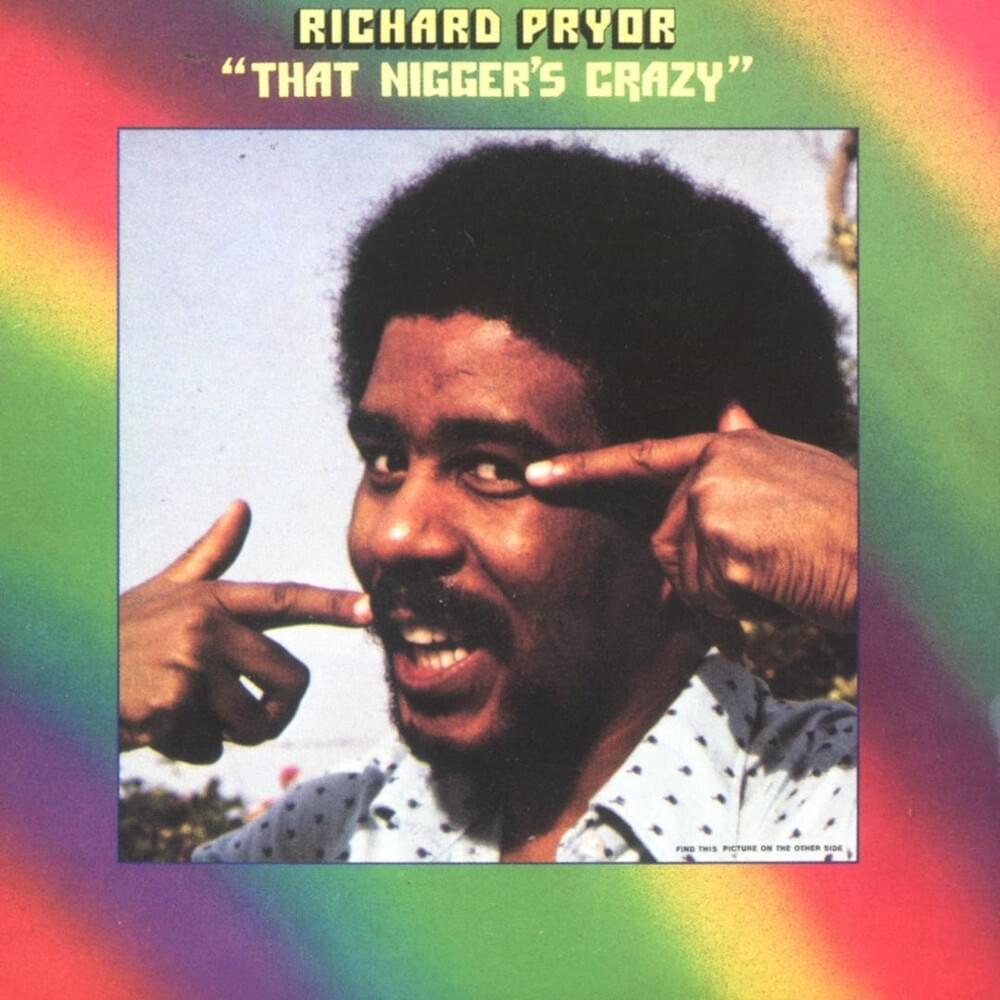
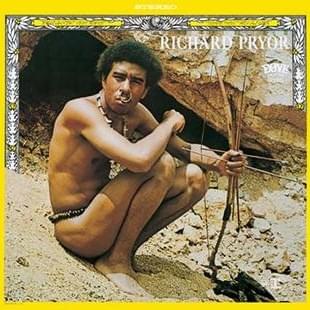
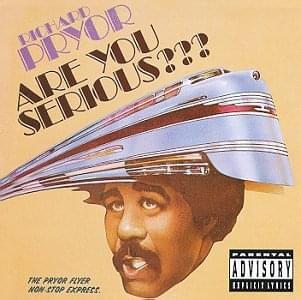
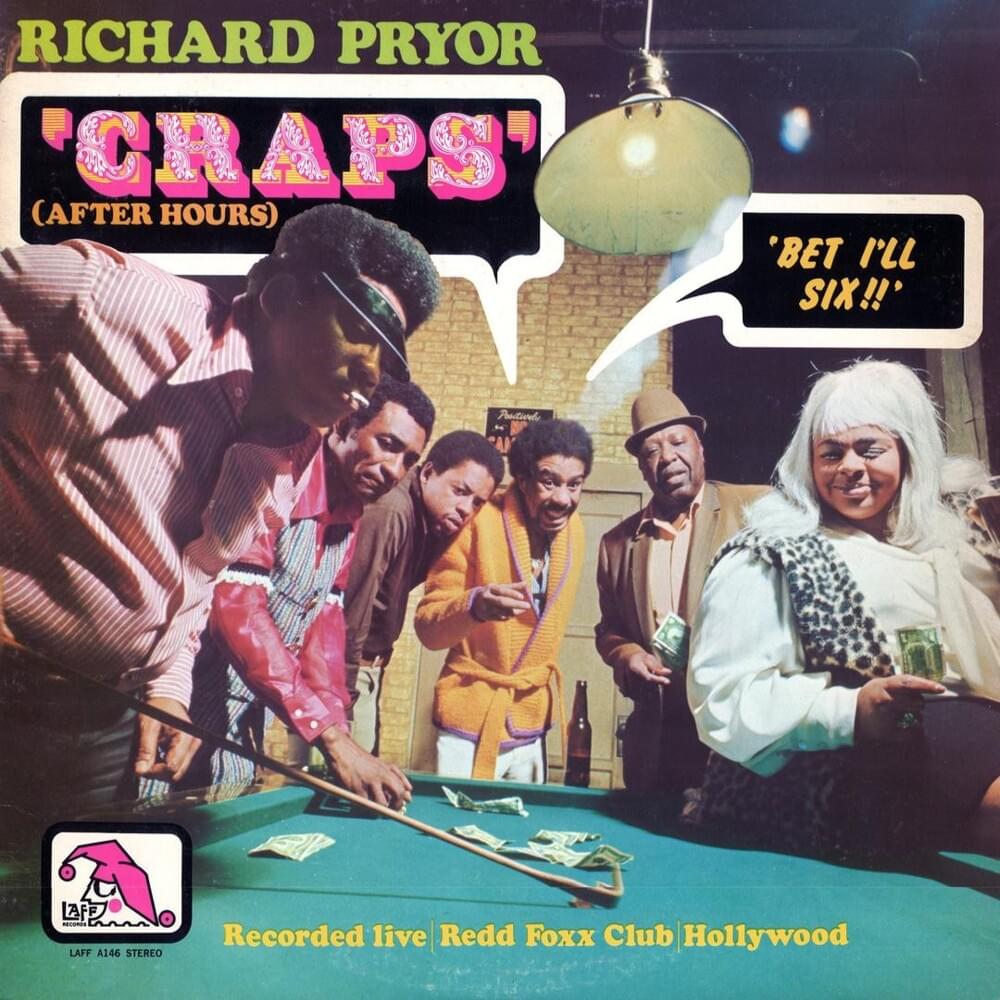
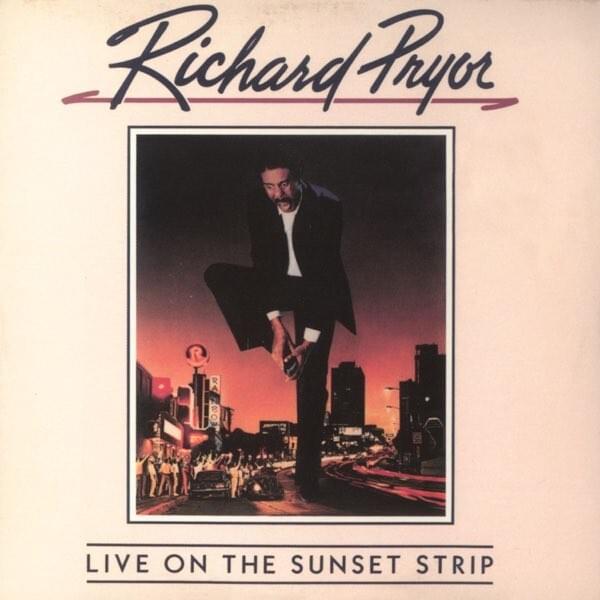
Introduction & Current Status Okay, let's talk about Richard Pryor. If you're wondering why a legend who left us in 2005 is still trending in the cultural convo, it’s because his genius is timeless. Pryor wasn't just a comedian; he was a truth-teller, a mirror held up to society, and frankly, a vibe. His influence on pretty much every stand-up comic you stan today, from Dave Chappelle to Kevin Hart, is undeniable. He literally set the blueprint for raw, confessional, and unapologetically Black comedic storytelling. Even decades later, his routines pop up in TikTok sounds and Instagram reels, proving his observations about race, class, and the human condition are still painfully relevant. He channeled his own lived experiences into art, crafting narratives that were both hilarious and deeply uncomfortable, forcing audiences to confront uncomfortable truths. It’s no exaggeration to say that without Pryor, modern comedy as we know it simply wouldn't exist; he’s the OG who broke all the rules and made it look easy. His work continues to be rediscovered by new generations who are consistently blown away by his fearless honesty and comedic prowess. He wasn’t just good; he was the GOAT, full stop. His specials and albums are essentially masterclasses in how to command a stage and capture an audience, making him a perpetual icon in the entertainment landscape. Early Life & Background Richard Franklin Lennox Thomas Pryor was born in Peoria, Illinois, in 1940, and let’s just say his childhood wasn't exactly a fairytale. He grew up in his grandmother's brothel, a chaotic and often violent environment that became the crucible for his unique perspective. This wasn't some quiet suburban upbringing; it was a front-row seat to the raw, unfiltered realities of life on the margins. His family life was complex, marked by a prostitute mother and a pimp father, with his grandmother, Marie Carter, serving as the formidable matriarch who ran the house and often disciplined him with an iron fist. These formative years, steeped in the grit and resilience of the streets, provided him with an unparalleled understanding of human nature and its darker corners. This intense background directly fueled his later comedic material, giving it an authenticity that others could only dream of. Pryor’s early exposure to life’s harsher truths meant he saw the world through a lens few others possessed. He absorbed the nuances of street life, the struggles of the marginalized, and the intricate dance of survival, all of which would later become the bedrock of his revolutionary comedy. It's clear that his Peoria roots weren't just a backdrop; they were the very foundation upon which his comedic empire was built. Career Beginnings Pryor kicked off his comedy career in the early 1960s, cutting his teeth in clubs in Peoria before making the jump to New York City. Initially, he mimicked the polished, observational style of comedians like Bill Cosby and Dick Gregory, delivering clean-cut jokes that garnered him appearances on shows like "The Ed Sullivan Show." He was good, but something was missing—his true voice. A pivotal moment arrived in 1967 when, during a performance in Las Vegas, he famously walked off stage, declaring he couldn't do it anymore. This was his "aha!" moment, realizing he needed to shed the safe persona and embrace the raw, more personal truths he had suppressed. This marked a radical shift towards the unfiltered, autobiographical style that would define his legacy. He moved to Berkeley, California, immersing himself in the counter-culture movement and finding a new freedom in his material. This period saw him developing the groundbreaking routines that explored race, sex, and social injustice with a searing honesty that shocked and captivated audiences. This transformation from a clean-cut act to a fearless provocateur was his real breakthrough, setting the stage for his iconic status. Major Albums & Discography Richard Pryor's discography isn't just a collection of comedy albums; it's a historical record of a comedic revolution. His early self-titled album, Richard Pryor, released in 1968, offered glimpses of his emerging voice, still somewhat reserved but hinting at the brilliance to come. It was a foundational piece, showing an artist in the making. However, it was 1971’s Craps (After Hours) that really started to peel back the layers, showcasing a more improvisational and character-driven style. Then came 1974's That Nigger’s Crazy, an album that wasn't just critically acclaimed but also snagged him his first Grammy. This record was a seismic shift, fully embracing his raw, unvarnished perspective on race and society. The hits kept coming with 1975's ...Is It Something I Said?, another Grammy winner that solidified his place as a comedic powerhouse, diving deeper into his personal life with unflinching honesty. Bicentennial Nigger (1976) took home yet another Grammy, offering biting satire on America's 200th birthday. These albums weren't just funny; they were cultural commentaries. His live performances were legendary, captured brilliantly on albums like Live & Smokin’ from 1971, which demonstrated his early, untamed energy. Later, the iconic Richard Pryor: Live on the Sunset Strip (1982) became a cultural touchstone, detailing his near-fatal freebasing incident with a mix of humor and profound introspection. Even Are You Serious? (1977) continued his streak of pushing boundaries and challenging audiences, making his discography a must-listen for anyone serious about comedy. Hit Songs & Signature Tracks When we talk about Richard Pryor's "hit songs," we're really talking about his legendary routines, sketches, and monologues that became comedic anthems. These weren't just jokes; they were narratives, character studies, and gut-punching observations that resonated deeply. His ability to embody different personas made tracks like Mudbone absolute gold, introducing audiences to a wise, old character who dished out life lessons with a hilarious twist. Pryor’s knack for turning personal trauma into universal comedy is evident in "tracks" like Freebase, where he courageously recounted his harrowing near-fatal incident, making light of his darkest moment while still conveying its profound impact. This routine was a masterclass in vulnerability and comedic timing, hitting different on a whole new level. Similarly, his raw honesty about systemic issues shines in routines like Prison, which dissected the justice system with a mix of satire and lived experience. His incisive social commentary was never more apparent than in routines like Shortage Of White People, which poked fun at racial dynamics and stereotypes with a fearless wit that few dared to emulate. And who could forget his iconic Women, a routine that explored gender relations with a blend of exasperation and affection that was both relatable and hilarious. These "songs" weren't just funny; they were cultural moments. The sheer theatricality of his performances also brought routines like Hospital to life, vividly painting pictures of his experiences with medical care with a comedic flourish. Even early, more conventional pieces like Live & Smokin’ showcased his evolving talent. His narratives about his travels, such as Africa, gave audiences a glimpse into his broader worldview, while sketches like Mafia Club revealed his versatility in character portrayal. And for moments of reflection, the profound Eulogy showed his capacity for introspection, proving his comedic range was truly unmatched. Each of these routines, now essentially "tracks" in his comedic canon, continues to shape how we understand stand-up. Collaborations & Features Richard Pryor wasn't just a solo act; his charisma and talent made him a sought-after collaborator across various mediums. While he didn't typically do musical features, his presence elevated countless film projects, starring alongside some of Hollywood's biggest names. He frequently teamed up with Gene Wilder, creating an iconic comedic duo in films like "Silver Streak," "Stir Crazy," "See No Evil, Hear No Evil," and "Another You." Their on-screen chemistry was pure magic, blending Wilder's neurotic energy with Pryor's street-smart wit to create box office gold. These films weren't just collaborations; they were cultural phenomena that solidified Pryor's crossover appeal. Beyond Wilder, Pryor worked with a diverse array of talent, appearing in films such as "Lady Sings the Blues" with Diana Ross, "The Wiz" with Michael Jackson and Ross, and "Superman III" alongside Christopher Reeve. He also directed and starred in "Jo Jo Dancer, Your Life Is Calling," a semi-autobiographical film that explored his struggles with addiction and fame. His collaborations extended his reach far beyond the stand-up stage, cementing his status as a multifaceted entertainer. Awards & Achievements Richard Pryor's trophy cabinet was stacked, reflecting his undisputed reign as a comedic titan. He racked up five Grammy Awards for Best Comedy Album, an achievement that speaks volumes about the consistent quality and groundbreaking nature of his work. These wins weren't just accolades; they were official recognition of his revolutionary impact on the genre. His album That Nigger’s Crazy kicked off his Grammy streak, followed by ...Is It Something I Said?, Bicentennial Nigger, "Rev. Du Rite," and Richard Pryor: Live on the Sunset Strip. This run of consecutive wins is practically unheard of, cementing his status as the MVP of comedy albums. He also snagged an Emmy Award for his writing on "The Richard Pryor Show" in 1973, showcasing his versatility beyond just performance. In 1993, he received the Lifetime Achievement Award from the American Comedy Awards, a well-deserved nod to his enduring legacy. Perhaps one of the most significant honors came in 1998 when he became the very first recipient of the Mark Twain Prize for American Humor, an award that truly recognizes individuals who have had a profound impact on American comedy. Pryor didn’t just break records; he set new standards for what comedy could be. Personal Life Richard Pryor’s personal life was as tumultuous and public as his career was celebrated, often serving as the raw material for his comedy. He was notoriously open about his struggles with drug addiction, famously recounting his near-fatal freebasing incident in his stand-up special Richard Pryor: Live on the Sunset Strip. This level of vulnerability was groundbreaking, turning personal pain into powerful art. His relationships were equally complex; he was married seven times to five different women and had several children. These experiences, though often chaotic, informed his insightful and often hilarious observations on love, marriage, and gender dynamics, which he frequently weaved into his routines, including Women. He didn't shy away from the messiness of his own life, choosing instead to lay it bare for the audience. In 1986, Pryor was diagnosed with multiple sclerosis (MS), a progressive neurological disease that severely impacted his mobility and speech. He openly discussed his battle with MS, incorporating it into his later performances and demonstrating an incredible resilience. Even amidst personal challenges, Pryor remained a force, using his platform to speak his truth until his passing in 2005. Musical Style & Influence While Richard Pryor wasn't a musician in the traditional sense, his comedic style was deeply musical. He had an incredible rhythm and cadence to his delivery, using pauses, vocal inflections, and character voices to create a symphony of laughter and emotion. His improvisational genius mirrored the spontaneity of jazz, allowing him to riff and explore themes in real-time. His artistic influences were vast, drawing from the storytelling traditions of Black culture, the observational humor of early stand-ups, and the raw honesty of blues and soul music. He cited figures like Lenny Bruce, Bill Cosby (before his shift), and street corner raconteurs as inspirations. But Pryor didn't just absorb influences; he synthesized them into something entirely new, forging a path for authentic, confessional comedy. Pryor's legacy is monumental. He influenced virtually every major comedian who came after him, from Eddie Murphy and Chris Rock to Dave Chappelle and Kevin Hart. He proved that comedy could be art, a powerful tool for social commentary and self-expression.

Popular Albums

Popular Songs

Reviews

Comments

Questions & Answers