Song Meaning
The lyrics paint a vivid, almost surreal picture of the social and emotional pressures surrounding an interracial relationship, specifically a Black man with a white woman. The opening lines immediately establish a provocative, almost cautionary tone, suggesting a societal taboo or a difficult path ahead. The narrator's internal monologue, echoed by the imagined voices of "sisters," highlights a perceived judgment and disapproval from within the Black community itself, framing the relationship choice as a betrayal or a source of pain for others.
The central tension arises from this external and internal judgment versus the couple's desire for happiness and normalcy. The narrator recounts a specific, bizarre incident where his wife appears in court, looking incredibly young. This moment escalates into an absurd courtroom scene where the judge, moved to tears, expresses a desire for the couple's dreams, blurring the lines between legal proceedings and a collective, almost envious, yearning for their perceived happiness or perhaps the exoticism of their union. The judge's emotional response feels less like official duty and more like a projection of societal fascination or even a desire to partake in something perceived as forbidden or aspirational.
The craft here is in the sharp, almost jarring shifts in perspective and tone. The lyrics move from direct address and internal thought to a highly stylized, allegorical courtroom drama. The image of the wife looking "12 years old" is striking and unsettling, amplifying the vulnerability and perhaps the perceived inappropriateness of the situation in the eyes of the world. The judge's tearful plea, "we want everything / Do you have any dreams? We want them too," is a masterstroke of dark humor and social commentary, suggesting that the couple's relationship itself has become a spectacle, a source of envy, and a symbol of desires others feel are out of reach.
This piece hits hard because it uses hyperbole and surrealism to expose the intense scrutiny and complex emotions that can surround interracial relationships. The lyrics don't offer a straightforward narrative but rather a series of sharp, uncomfortable observations that highlight how such unions can become focal points for societal anxieties, judgments, and even strange forms of admiration. The humor, though dark, underscores the absurdity of the pressures the narrator feels, making the emotional weight of navigating these external perceptions palpable.
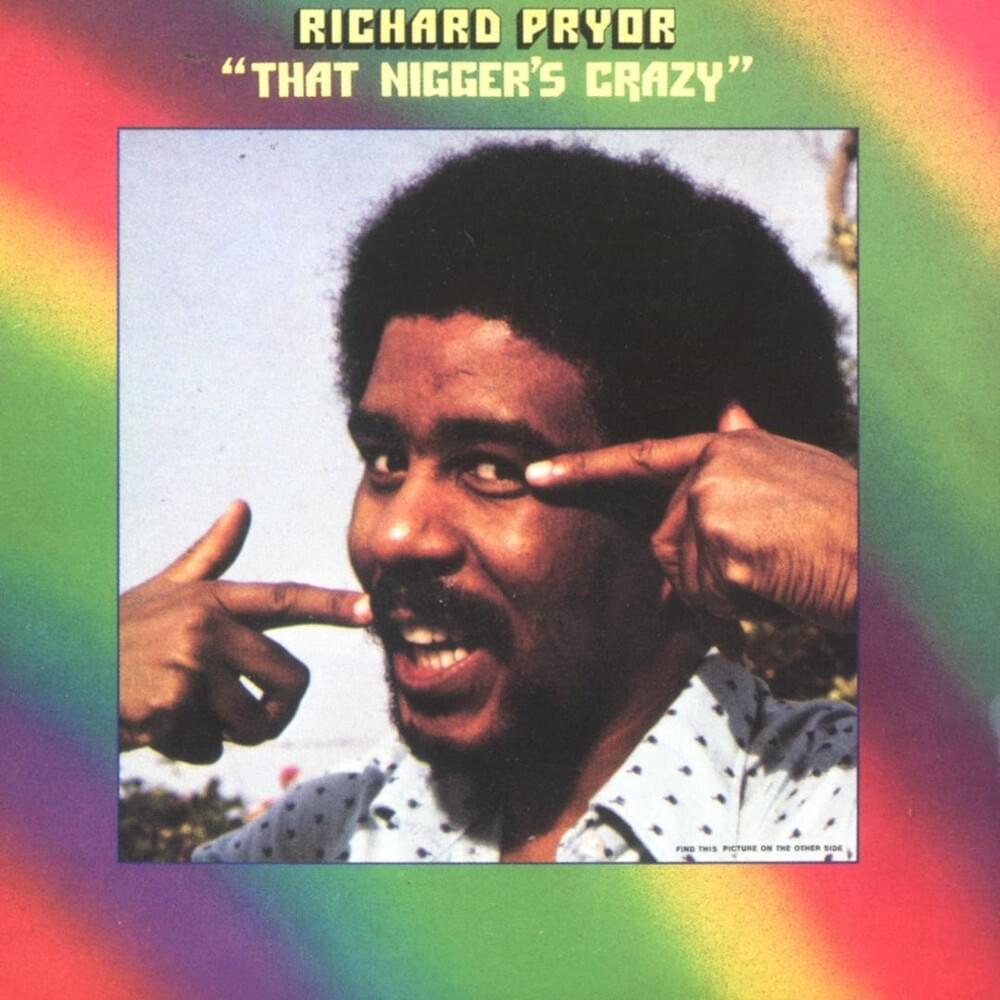
 View Artist