Todd Terry: Defected Broadcasting House (DJ Mix)
2024
434.6K Listeners
2024
2023
2021
2021
2020
2003
2003
1987
1968
1968
1967
1965
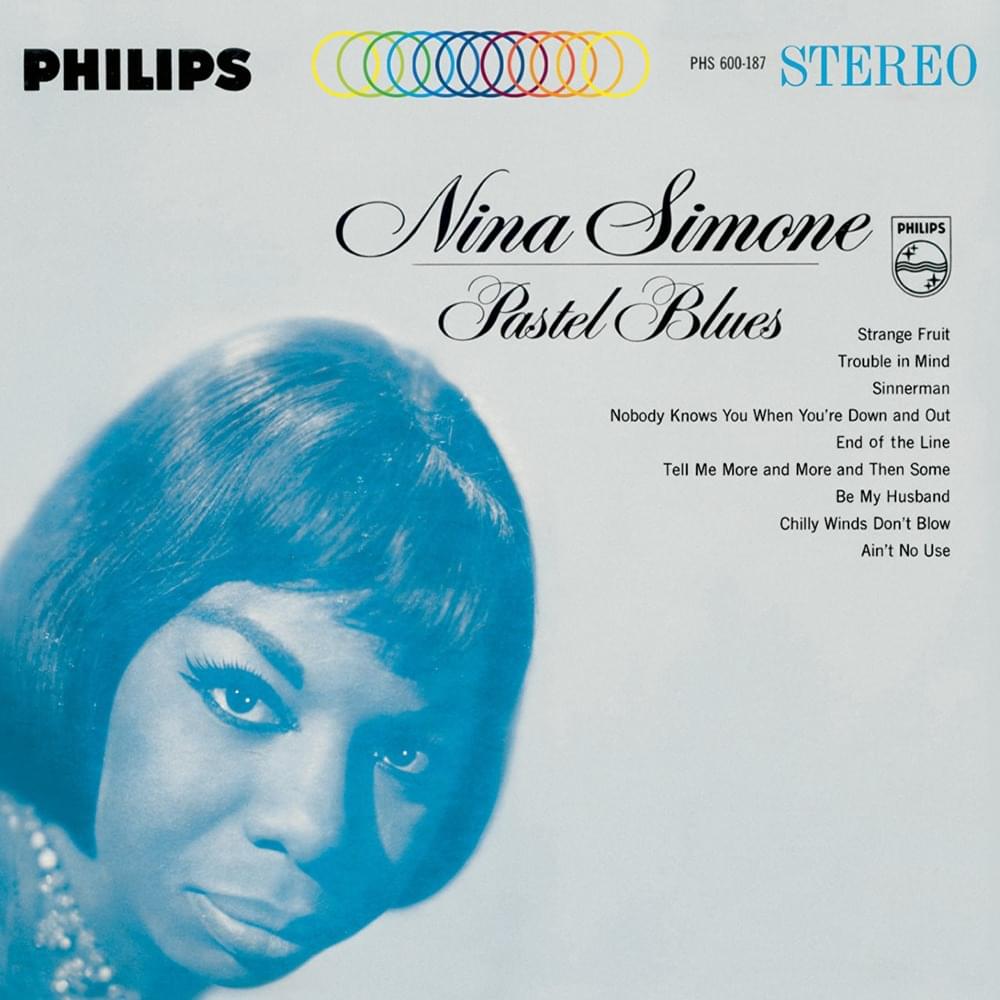
1965
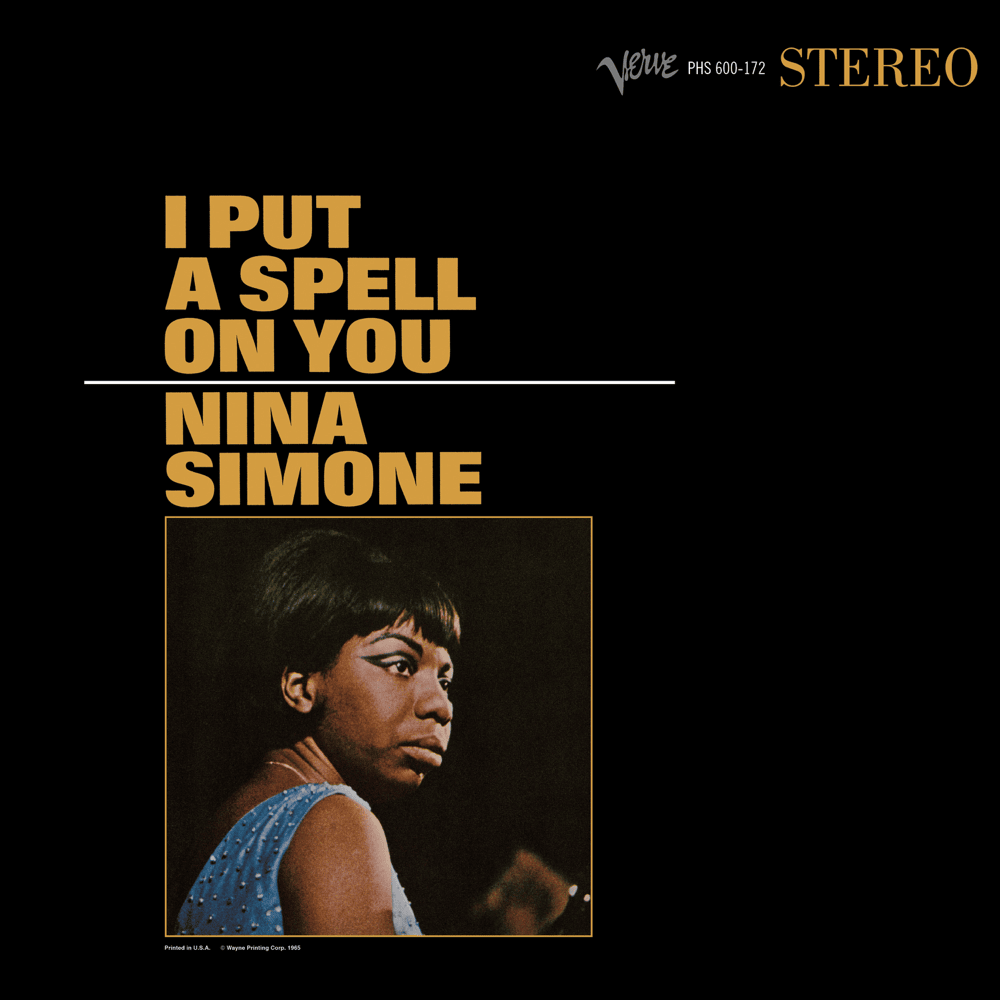
1965
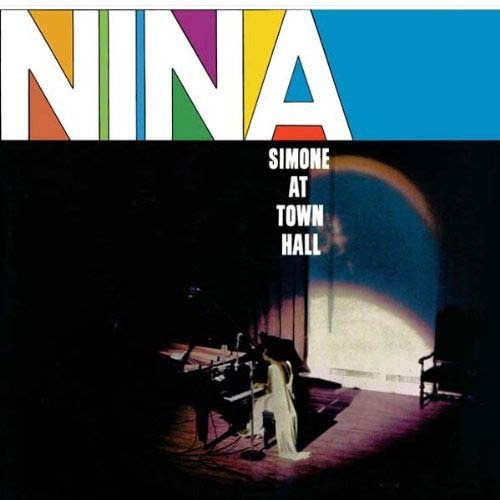
1959
1959
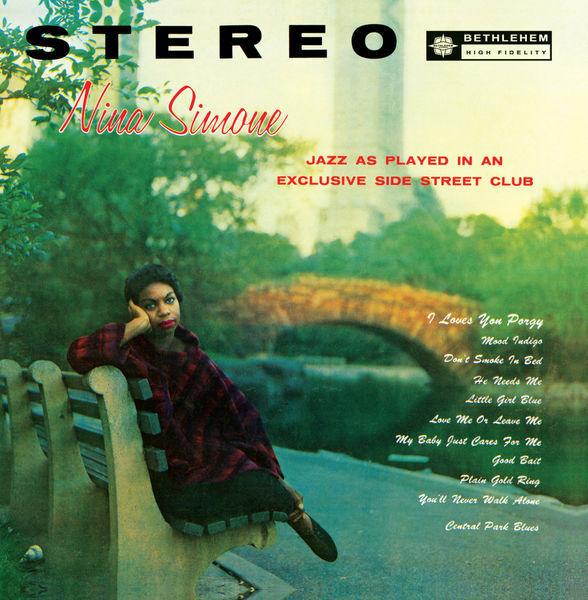
1958
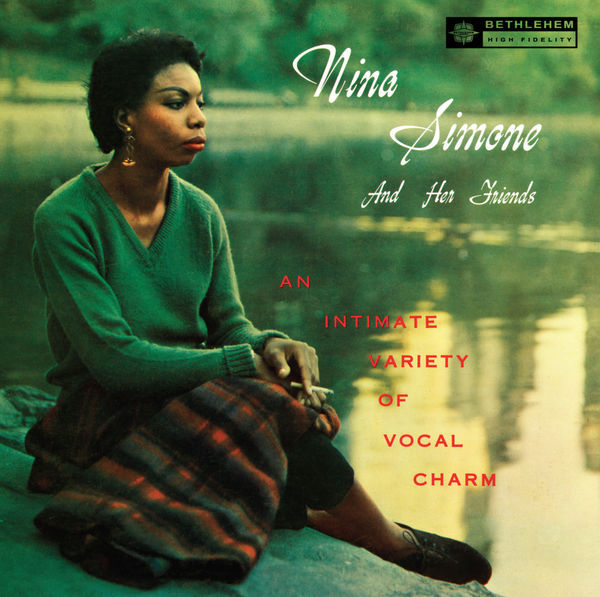
1957
| Track Number | Song | Release Date | Album |
|---|---|---|---|
| 01 | Feeling Good | Jun 16, 1965 | Gold |
| 02 | I Wish I Knew How It Would Feel To Be Free | Oct 1, 1967 | Anthology |
| 03 | 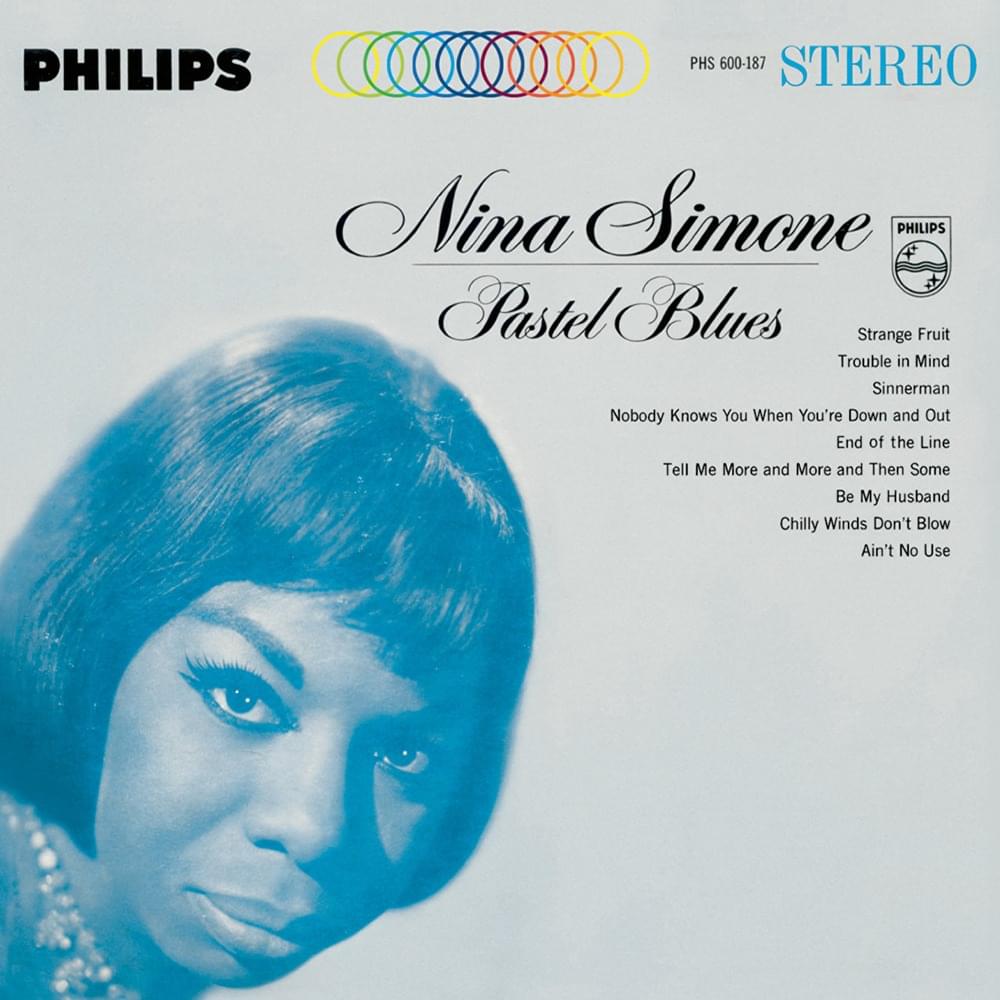 Sinnerman Sinnerman | Oct 1, 1965 | Gold |
| 04 | 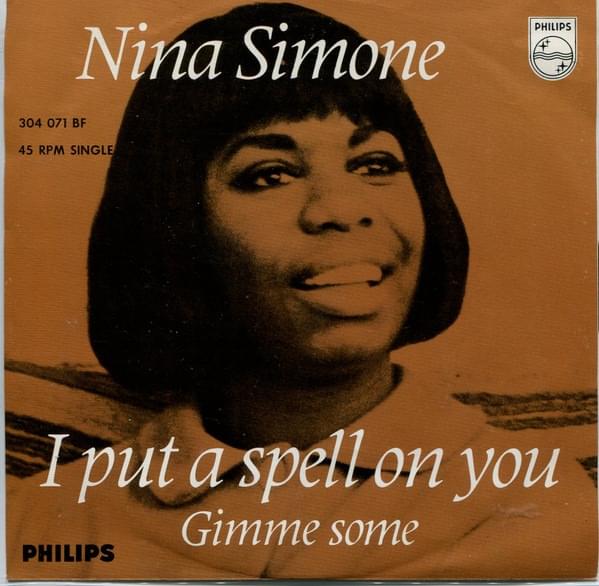 I Put a Spell On You I Put a Spell On You | Jun 16, 1965 | Gold |
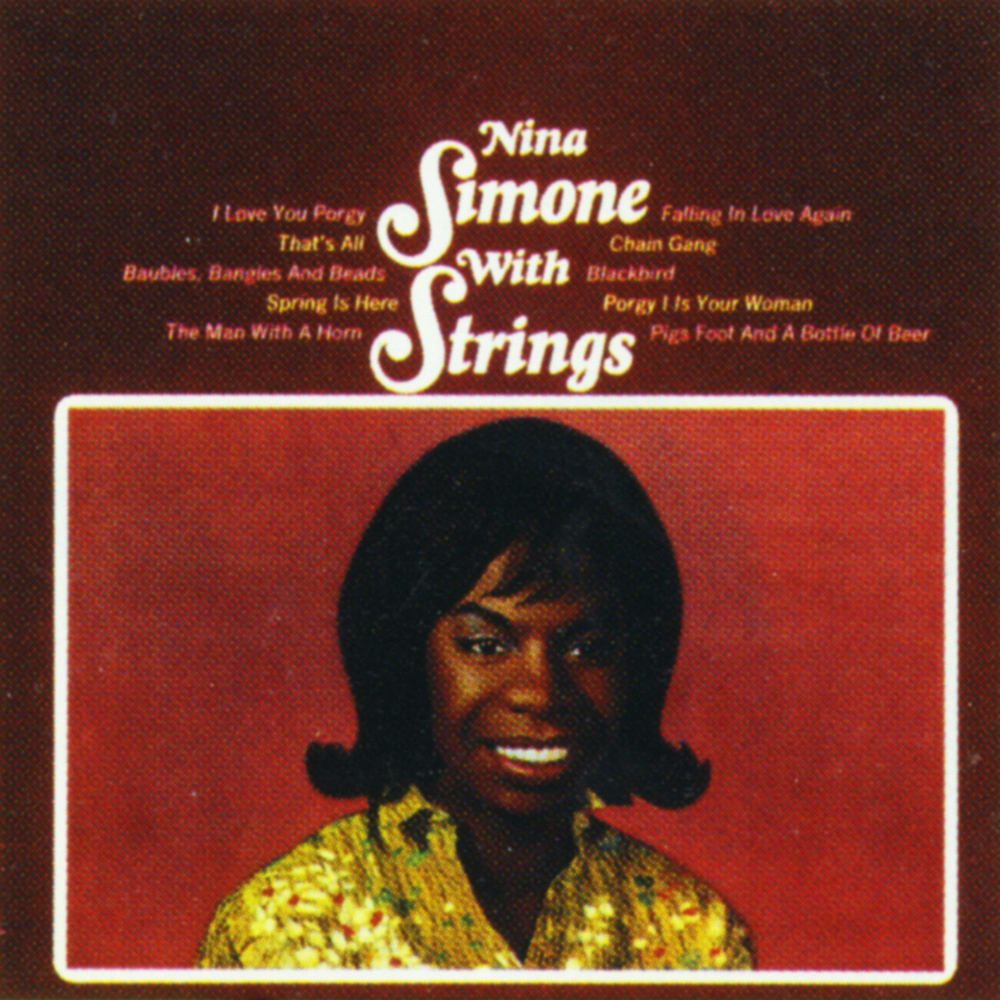
| 05 | Blackbird | Jan 1, 1966 | Nina Simone with Strings |
| 06 | 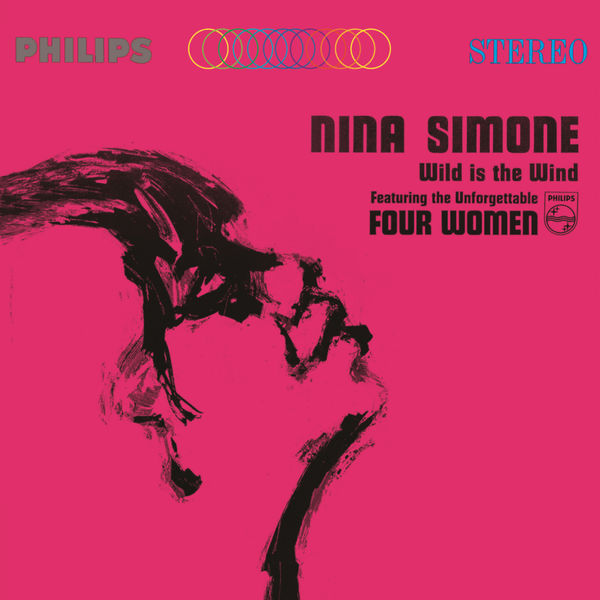 Four Women Four Women | Jan 1, 1966 | Anthology |
| 07 | Strange Fruit | Oct 1, 1965 | Gold |
| 08 | 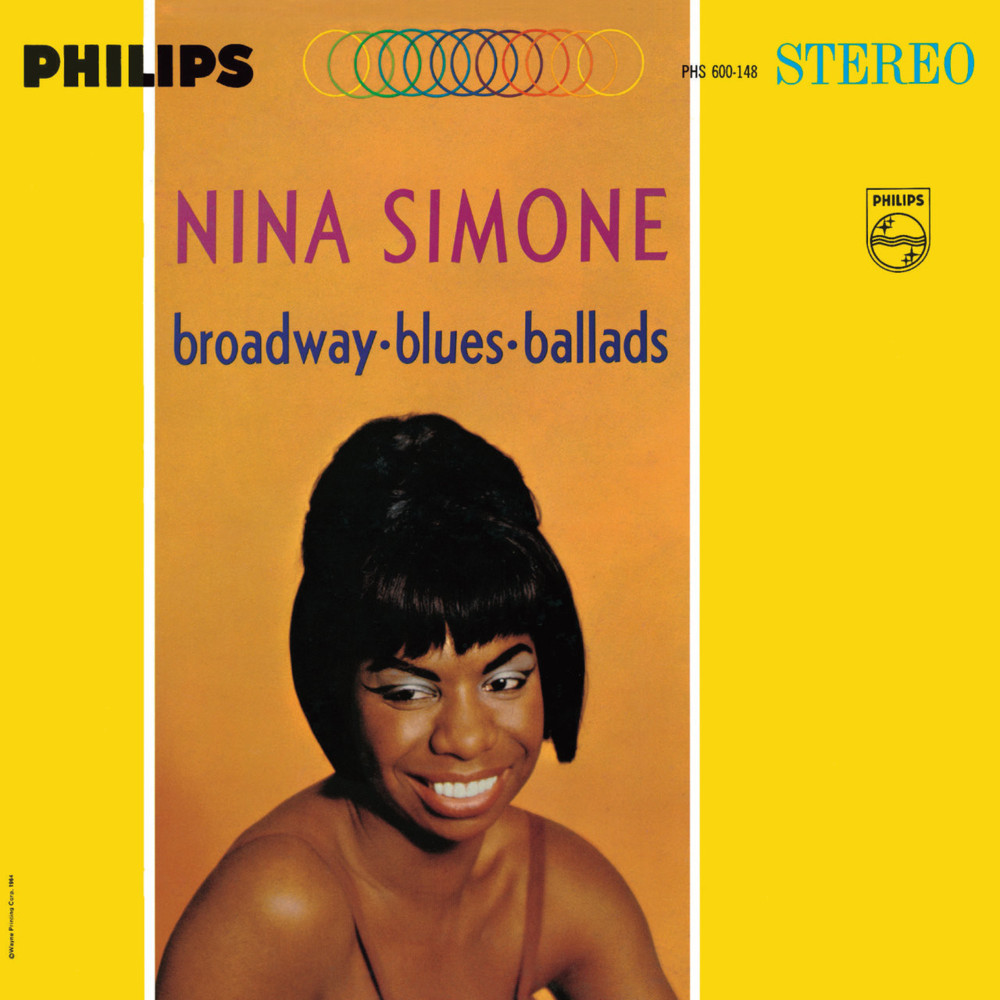 Don’t Let Me Be Misunderstood Don’t Let Me Be Misunderstood | Nov 1, 1964 | Gold |
| 09 | 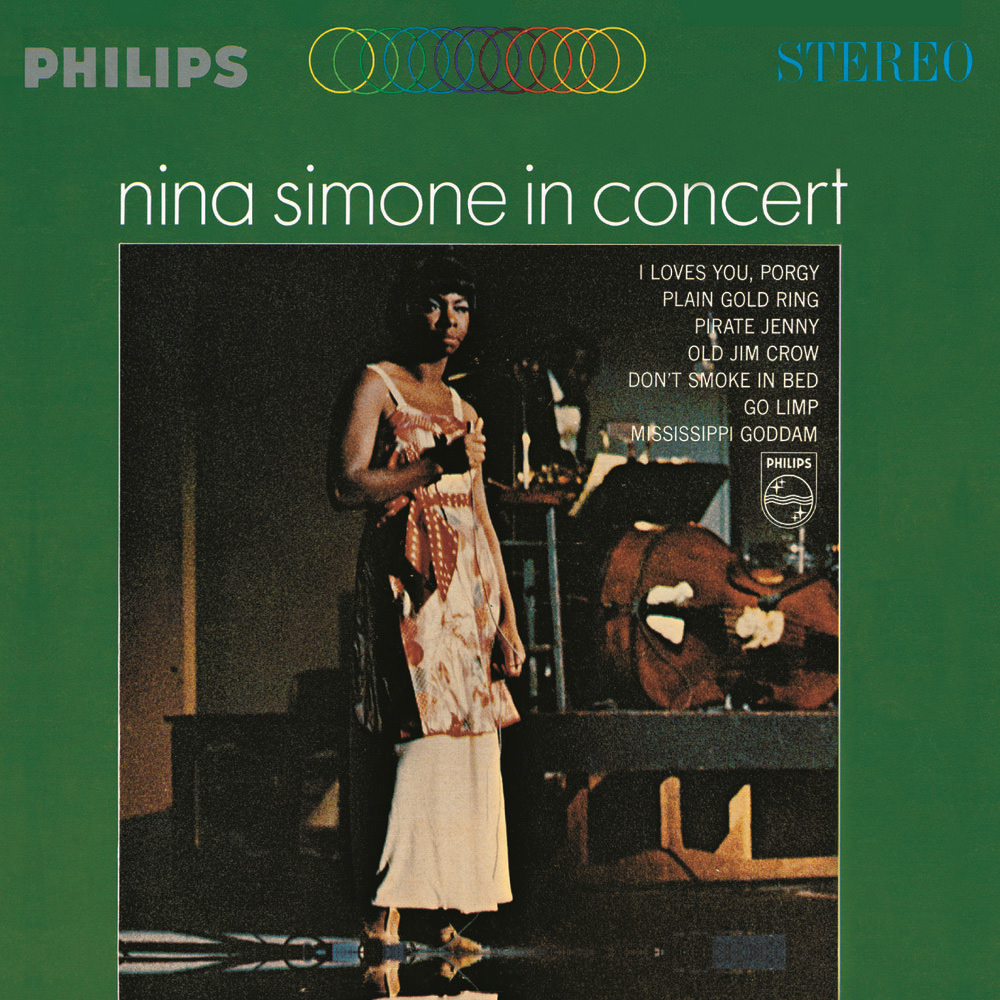 Mississippi Goddam Mississippi Goddam | Mar 1, 1964 | Gold |
| 10 | Ain’t Got No, I Got Life | May 13, 1968 | Anthology |
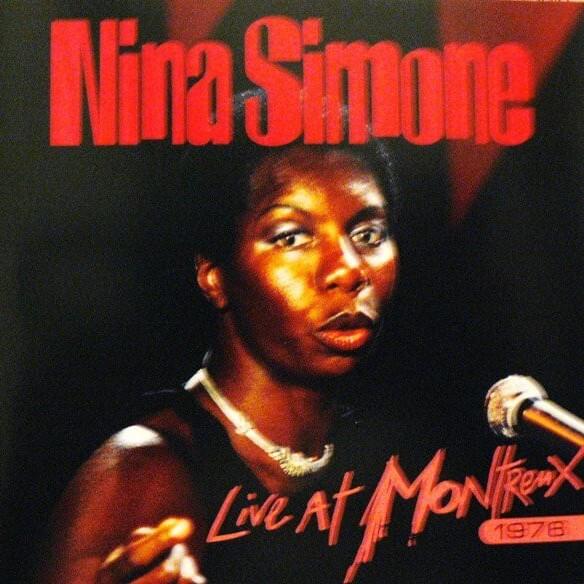
| 11 |  Stars Stars | Jan 1, 1976 | Live At Montreux 1976 |
| 12 | 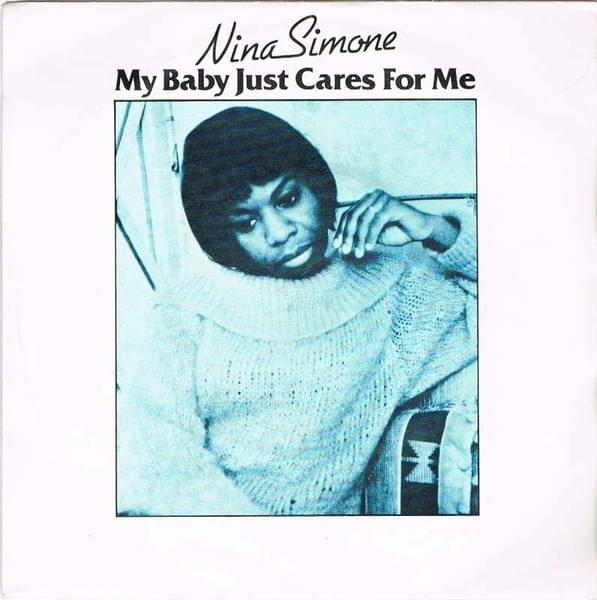 My Baby Just Cares For Me My Baby Just Cares For Me | Jun 24, 1958 | Gold |
| 13 | 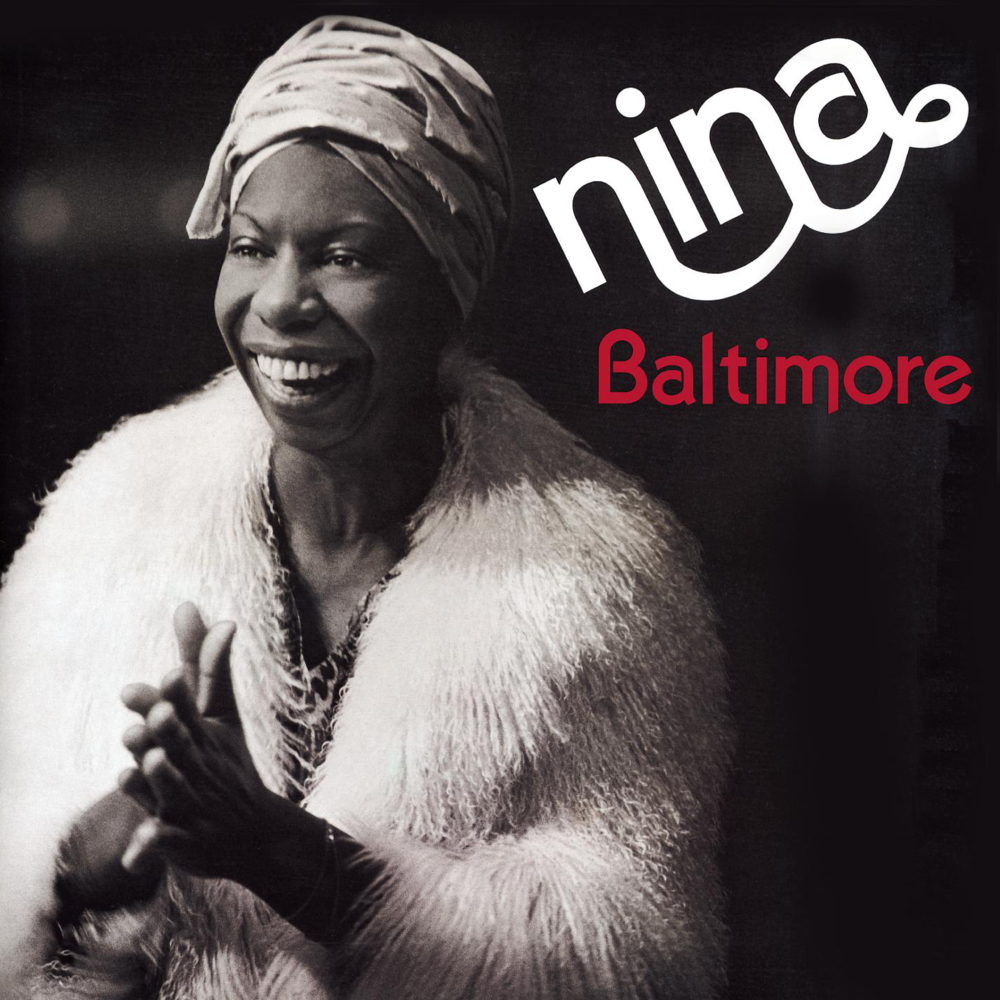 Baltimore Baltimore | Jan 1, 1978 | The Very Best of Nina Simone Vol. 2 |
| 14 | 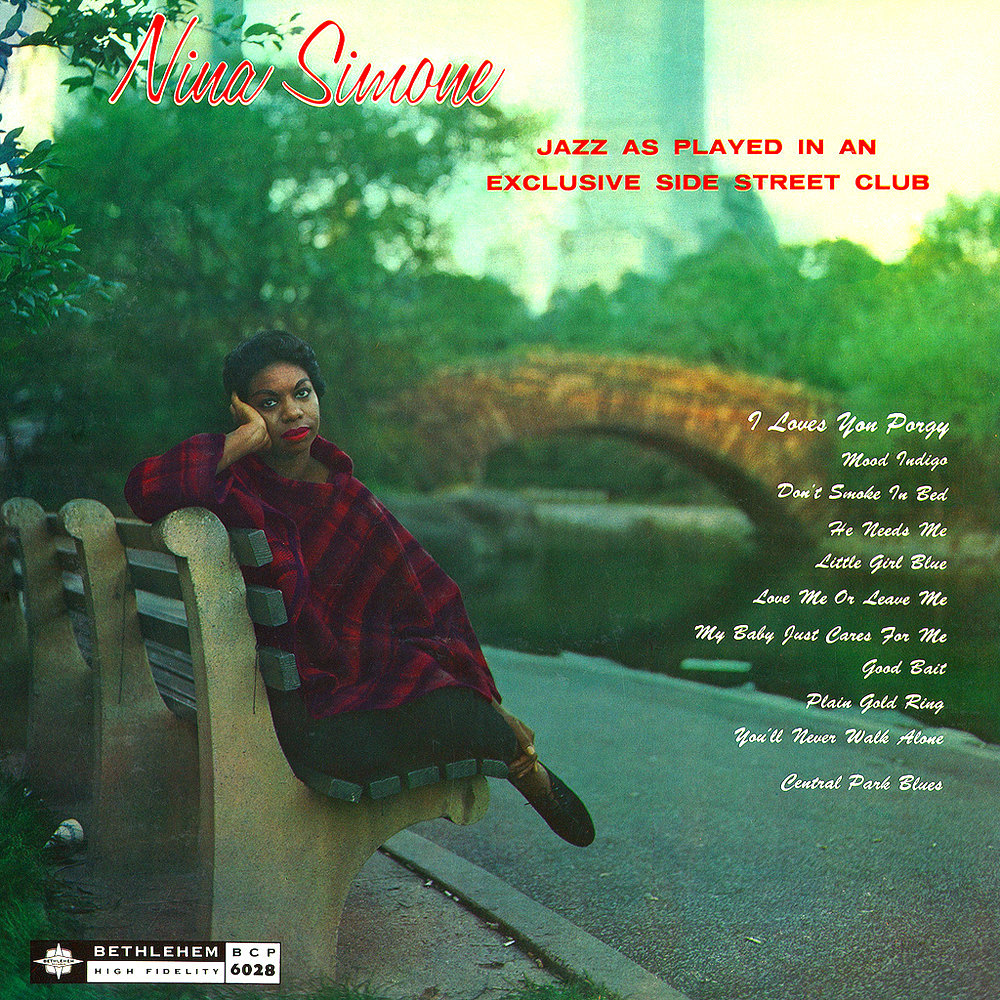 I Loves You Porgy I Loves You Porgy | Jun 24, 1958 | Anthology |
| 15 | Love Me or Leave Me | Jun 24, 1958 | Gold |
| 16 | 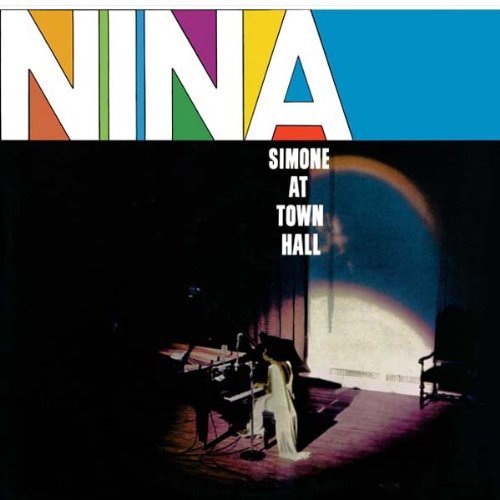 The Other Woman (Live 1959) The Other Woman (Live 1959) | Sep 15, 1959 | Anthology |
| 17 | Do What You Gotta Do | May 13, 1968 | Anthology |
| 18 | Wild Is the Wind | Sep 15, 1959 | Gold |
| 19 | 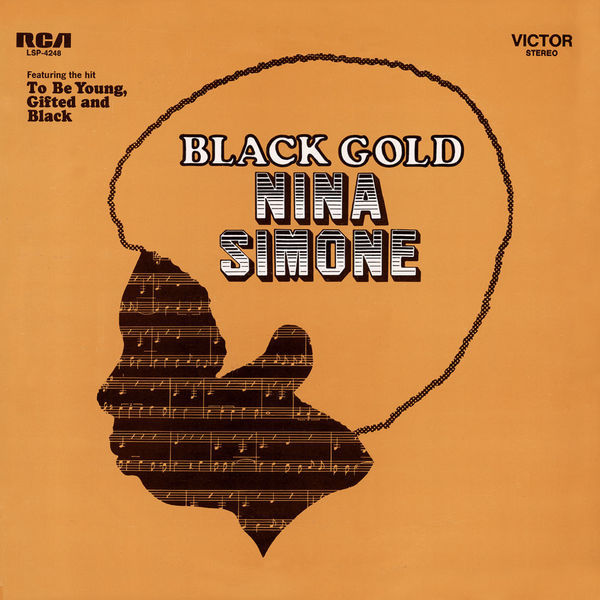 To Be Young, Gifted and Black To Be Young, Gifted and Black | Jan 1, 1970 | Anthology |
| 20 | 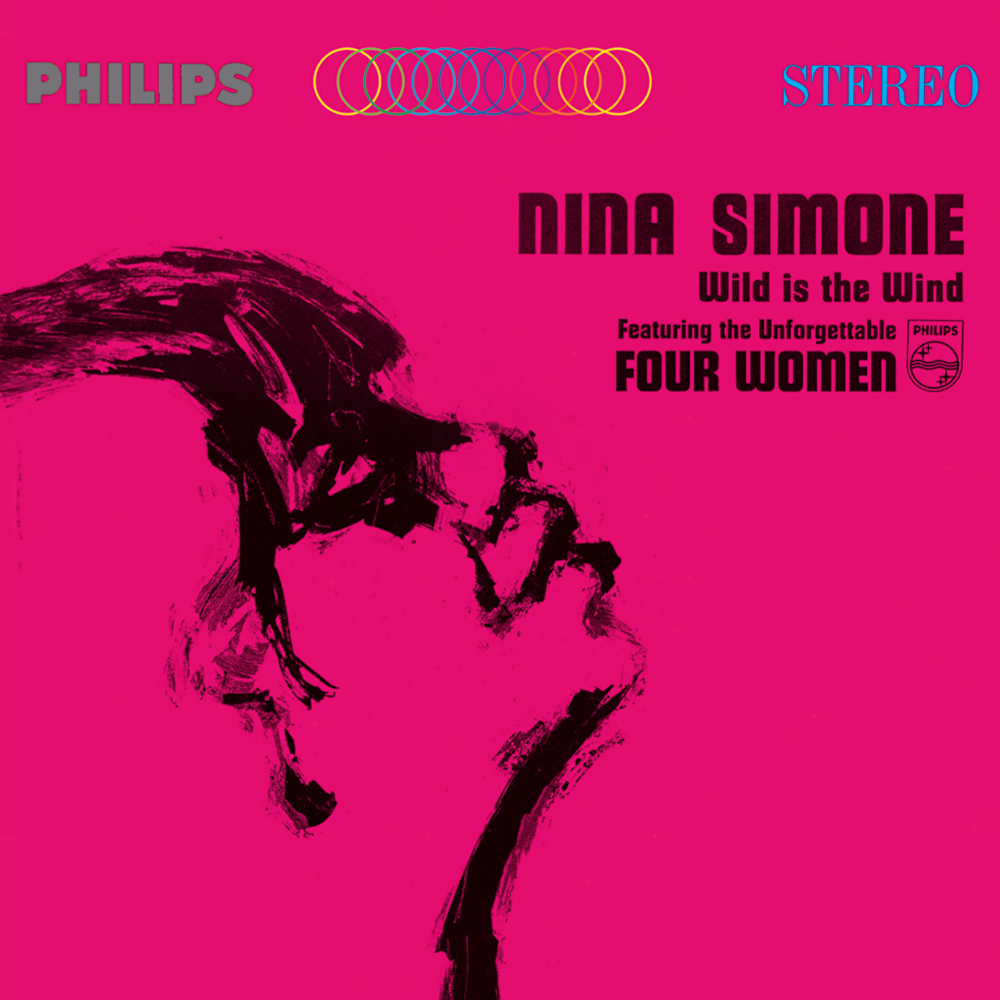 Lilac Wine Lilac Wine | Jan 1, 1966 | Feeling Good: Her Greatest Hits And Remixes |
0 Total
No Music Awards Found
Loading comments...