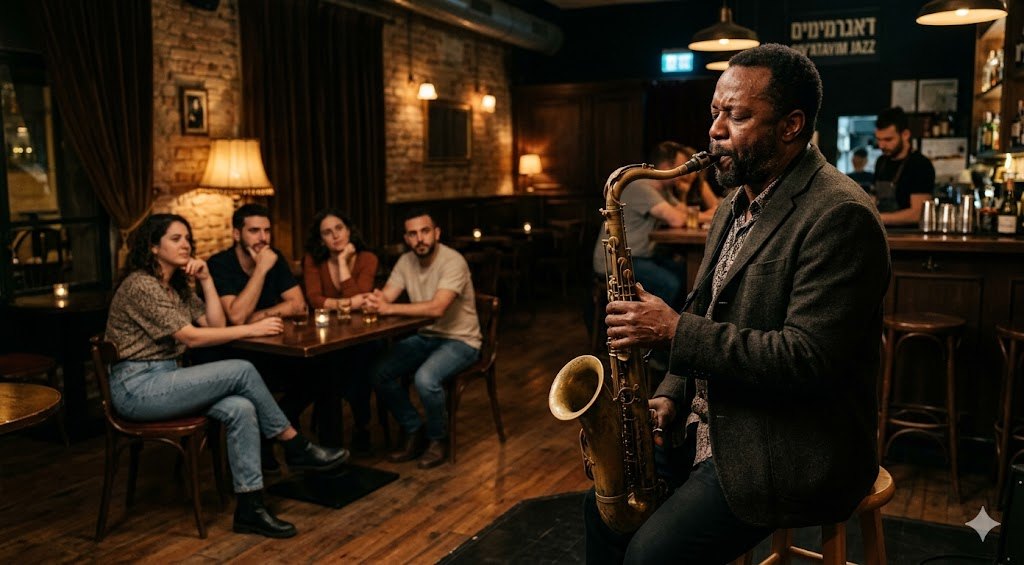
The Quiet Return of Jazz and Blues in 2026
Latest News

Music Journalist
In 2026, not everything in music is getting louder, faster, or more optimized for algorithms. In fact, a growing number of listeners across the US are moving in the opposite direction — toward something slower, quieter, and far more intentional.
Jazz and blues, two of the most foundational genres in American music, are finding a new audience. Not through massive marketing campaigns or viral trends, but through something simpler: people are actively choosing to listen again.
This isn’t nostalgia in the traditional sense. Most of the listeners discovering these sounds today didn’t grow up with them. They’re finding them through late-night playlists, study sessions, vinyl recommendations, and quiet moments where modern music feels overwhelming.

Take “So What” by Miles Davis. There’s no rush. No hook designed to grab attention in the first five seconds. The track unfolds gradually, built on improvisation and subtle shifts in tone.
That kind of pacing feels almost radical today. In a landscape where most songs are engineered for immediate impact, “So What” does the opposite. It asks for patience — and rewards it.
That’s exactly what makes jazz resonate in 2026. It creates space. It doesn’t compete with distractions — it cuts through them by slowing everything down.
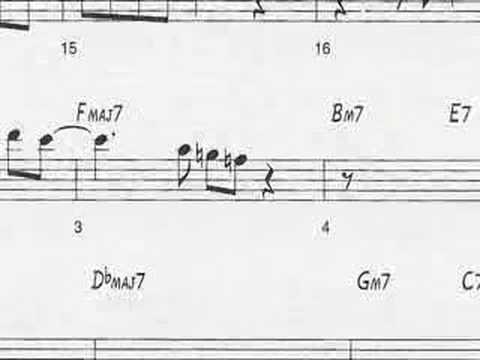
The same idea carries through in “My Favorite Things” by John Coltrane. The track stretches out, repeating and evolving, never locking into a predictable structure.
It’s not built for quick consumption. It’s built for immersion. And that’s exactly why it’s finding new listeners now — people are starting to value music they can sit with, not just scroll past.
Blues operates differently, but the emotional pull is just as strong.
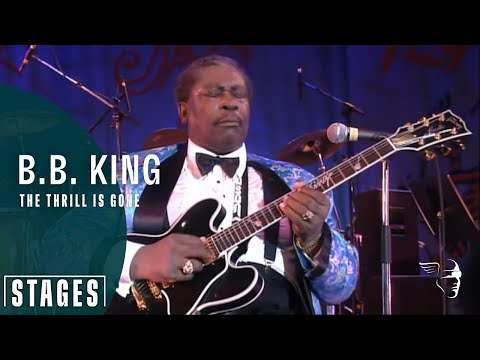
“The Thrill Is Gone” by B.B. King is built on simplicity. A slow tempo. Clean guitar phrasing. Vocals that don’t try to impress — they just tell the truth.
That honesty is what connects. In 2026, listeners are more sensitive to authenticity than ever. Overproduced tracks can feel distant. Blues feels direct.
There’s no filter between the artist and the listener. And that’s exactly what people are responding to.
That same emotional clarity shows up in artists who blur the line between jazz, blues, and soul.
“Feeling Good” by Nina Simone doesn’t rely on complexity to create impact. It builds slowly, using dynamics and vocal control to carry emotion.
It’s theatrical without being artificial. Every note feels intentional. And even decades after its release, it continues to resonate because it doesn’t belong to a trend.
That’s a recurring theme across jazz and blues. These songs don’t age the same way modern releases do. They don’t depend on production styles that go out of date. They’re built around performance, and performance holds up.
Even more contemporary tracks are drawing from this approach.
“Don’t Know Why” by Norah Jones sits somewhere between jazz, blues, and pop — but it carries the same DNA. Minimal arrangement. Soft delivery. A focus on mood rather than structure.
And that’s where a lot of listeners are landing right now. Not fully in one genre, but somewhere in between — where the music feels organic.
Another factor driving this shift is how people use music. It’s no longer just entertainment. It’s functional.
Jazz playlists are being used for studying. Blues tracks are being used to unwind. Instrumental sections are being looped in the background while people work. The purpose has changed.
Instead of demanding attention, these genres support it.
That’s a major contrast to mainstream music, which is often designed to interrupt. Jazz and blues do the opposite — they create continuity.
This also affects how people engage with lyrics. In genres like blues and soul, words carry more weight because they’re not competing with dense production.
Listeners don’t just hear the lyrics — they process them.
For platforms like LyricsWeb, this behavior is critical. Users aren’t searching for lyrics out of curiosity alone. They’re searching for understanding.
A line from The Thrill Is Gone or Feeling Good can hit differently depending on the moment. And that drives deeper engagement.
That’s the key difference in 2026. Music isn’t just something people play in the background.
It’s something they return to — intentionally.
And in that shift, jazz and blues aren’t just surviving.
They’re becoming relevant again.
About the Author
Music Journalist
Nia Harris writes about the intersection of music, identity, and cultural movements for LyricsWeb.