Song Meaning
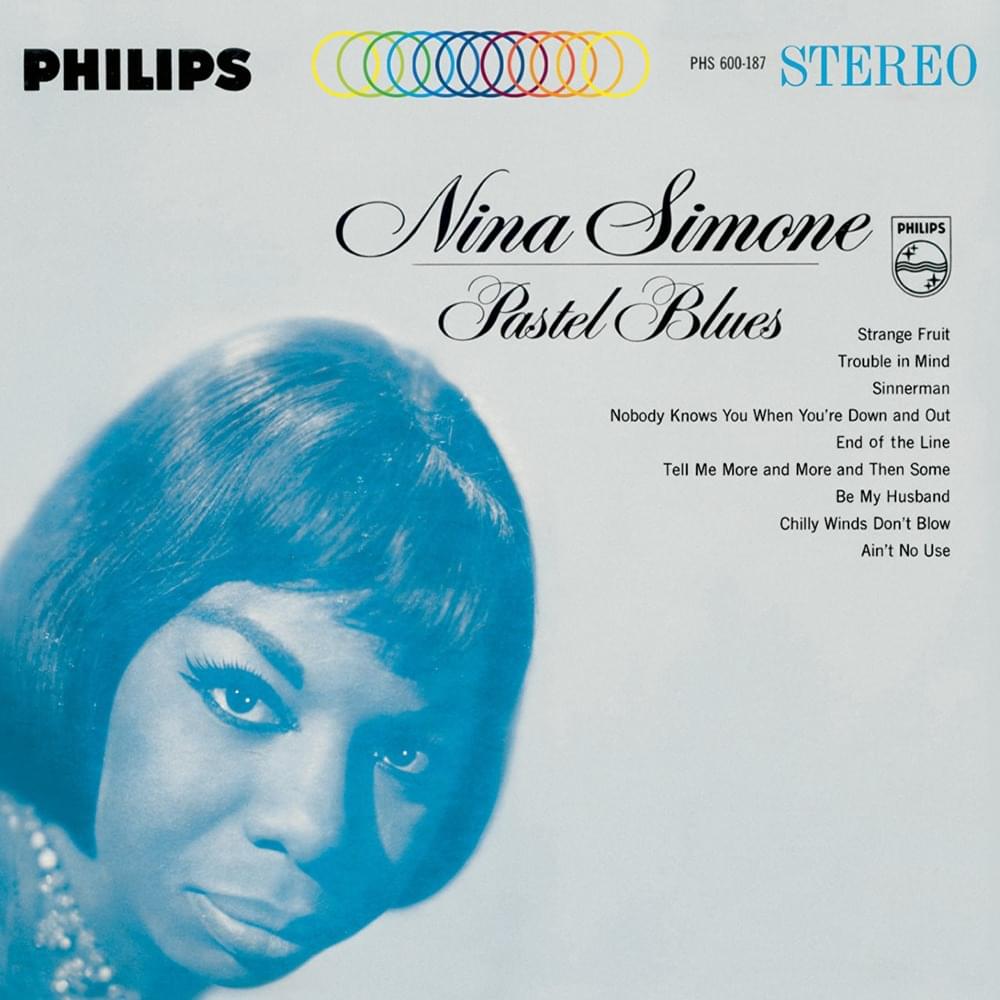
Nina Simone's rendition of "Strange Fruit" isn't merely a song; it's a visceral confrontation with America's brutal history of racial terror. Stripped of euphemism, the song's meaning lies in its stark depiction of lynching, transforming the romanticized image of the South into a landscape of horror. The "strange fruit" isn't a literal fruit, of course, but a euphemism so potent that it sears itself into the listener's consciousness, representing the Black bodies hanging from trees, victims of racist violence. The power of the song resides in its refusal to look away, forcing the listener to confront the unimaginable. Simone’s interpretation amplifies the original protest, her voice a lament that cuts through the veneer of Southern gentility.
The lyrics themselves are a masterclass in juxtaposition. The opening lines, "Southern trees bearing strange fruit," immediately subvert the idyllic imagery of the South. The subsequent lines, "blood on the leaves and blood at the root," evoke a sense of profound violation and desecration, connecting the violence to the very land itself. The "pastoral scene of the gallant south" is shattered by the grotesque details: "big bulging eyes and the twisted mouth" offer unflinching glimpses into the dehumanization inflicted upon the victims. The simultaneous presence of "scent of magnolia, clean and fresh" and the "sudden smell of burning flesh" creates a sickening contrast, highlighting the dissonance between the South's cultivated image and its horrific reality.
Ultimately, the song meaning transcends a simple protest; it's a haunting elegy for lost lives and a condemnation of systemic injustice. The closing verse, with its bleak imagery of crows, rain, wind, sun, and falling leaves, emphasizes the utter abandonment and degradation of the victims. "Here is a strange and bitter crop" serves as a chilling summation, underscoring the enduring legacy of racism and the poisonous fruit it continues to bear. Nina Simone's powerful delivery ensures that "Strange Fruit" remains a timeless and necessary reminder of the horrors of the past and a call for continued vigilance in the fight for racial equality.
 View Artist