Song Meaning
The lyrics paint a stark picture of urban decay and desperation. A 'beat-up little seagull' on a 'marble stair' searching for the ocean immediately sets a tone of displacement and a futile search for escape. This imagery grounds the feeling of being lost and out of place within a city that offers no solace, a 'hard town by the sea' where 'ain't nowhere to run to' and 'nothin' here for free.'
The dominant tension arises from the crushing weight of poverty and societal neglect. The narrator observes a 'hooker on the corner' and a 'drunk lying on the sidewalk,' vivid snapshots of lives on the fringes. The collective response of the city's inhabitants, who 'hide their faces and they hide their eyes,' suggests a shared awareness of the city's decline and an inability or unwillingness to confront its harsh realities. This creates a palpable sense of hopelessness that permeates the urban landscape.
The most striking aspect is the direct, almost plaintive question posed in the chorus: "Oh, Baltimore / Ain't it hard just to live?" This repetition emphasizes the central struggle, transforming a specific place into a universal symbol of hardship. The narrator's plan to escape with family – "Get my sister Sandy / And my little brother Ray" – to the country, "Where the mountain's high," highlights the deep desire for a better, simpler existence away from the city's suffocating grip.
Ultimately, the effectiveness of these lyrics lies in their unvarnished portrayal of struggle and the yearning for deliverance. By focusing on concrete images of urban blight and the quiet desperation of its people, the song creates a powerful emotional resonance. The simple, repeated question in the chorus serves as a raw, unfiltered cry that captures the essence of enduring difficult circumstances and the profound hope for a life beyond them.
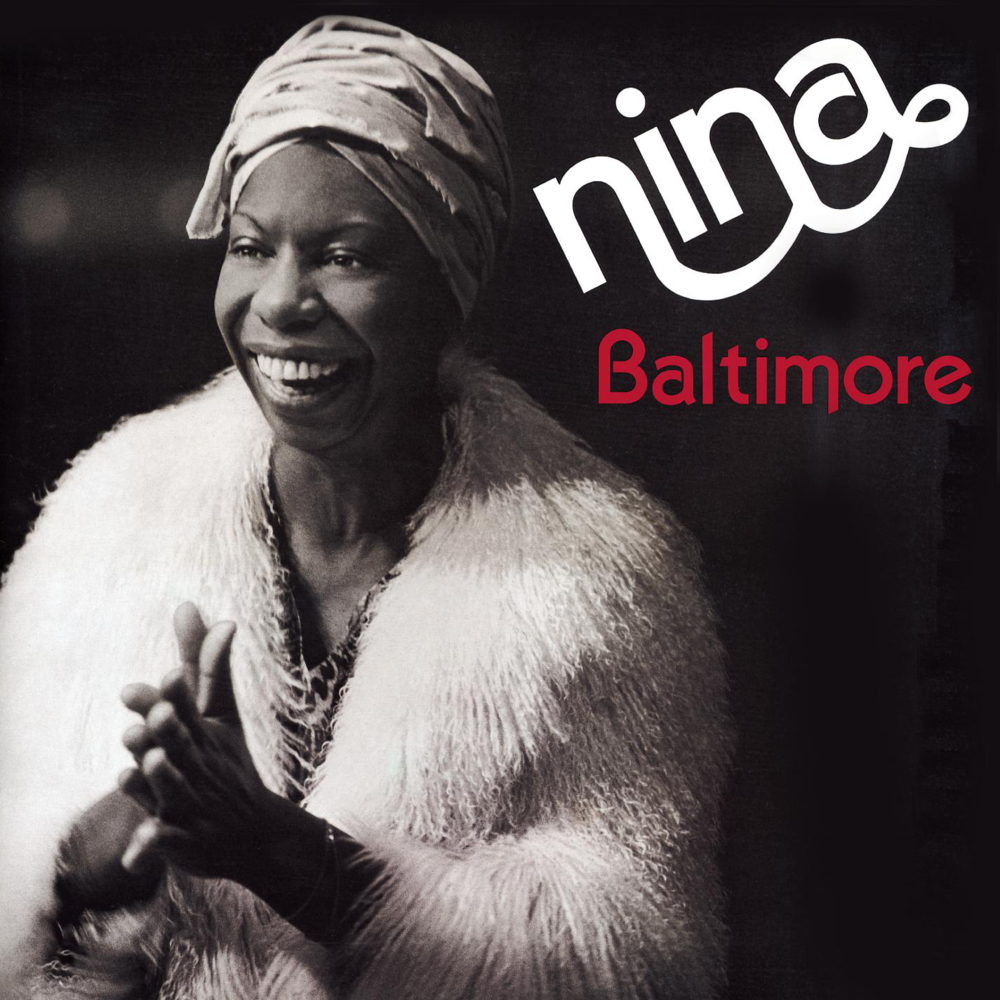
 View Artist