Song Meaning
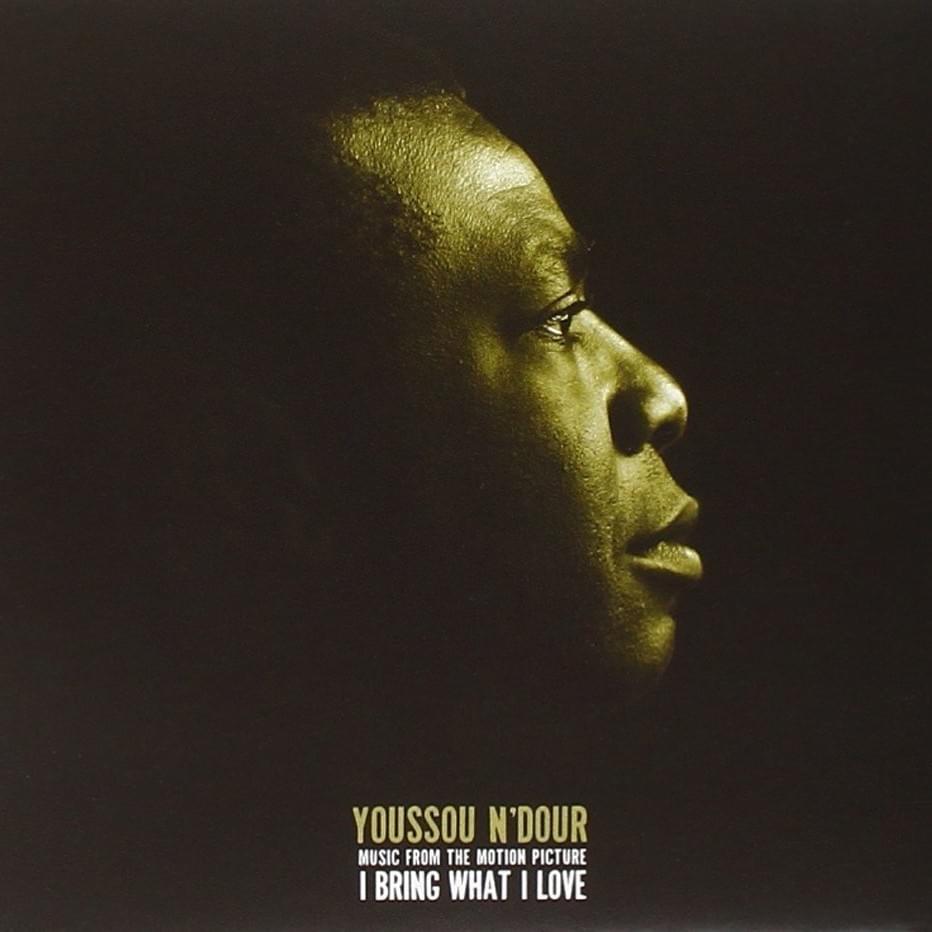
The lyrics erupt with a powerful call to action, a vibrant invocation of African unity and self-determination. The opening lines, a direct address to Youssou Ndour and "all children of Africa," immediately establish a sense of collective identity and shared purpose. This isn't just a song; it's a rallying cry, urging listeners to embrace a common vision and a unified perspective. The repeated phrases like "Bokeu khalate!" (Share thinking!) and "Bokeu guiss guiss!" (Share vision!) underscore the central theme: the necessity of intellectual and ideological alignment for progress.
The core tension lies in the contrast between the potential for unity and the challenges that hinder it. The lyrics speak of "Sans frontiéres" (Without borders) and the need to "Bolé sounouy ame ame" (Unite our strengths), suggesting a desire to transcend divisions. Yet, the acknowledgment that "Yone wi! sorré na!" (The path is long!) and "Té métti na" (And it is difficult) reveals an awareness of the arduous journey ahead. This duality between aspirational unity and the pragmatic recognition of obstacles fuels the song's urgency.
A particularly striking element is the invocation of historical figures like Cheikh Anta Diop, Kkame Nkrumah, and Steven Biko. These names are not just mentioned; they represent a legacy of Pan-African thought and struggle. By referencing them, the lyrics anchor the present call for unity in a rich historical context, implying that the path forward is illuminated by the wisdom and sacrifices of those who came before. This grounds the abstract concept of unity in concrete historical figures who championed it.
Ultimately, the effectiveness of these lyrics stems from their direct, unadorned language and their unwavering focus on empowerment. The repeated exhortations to "Work together!" and "Keep and working!" are simple yet potent commands. The message is clear: true progress for Africa hinges on its people embracing shared thinking, uniting their strengths, and actively building their future, free from external limitations and internal divisions. It's a powerful affirmation of agency and collective responsibility.
 View Artist