Song Meaning
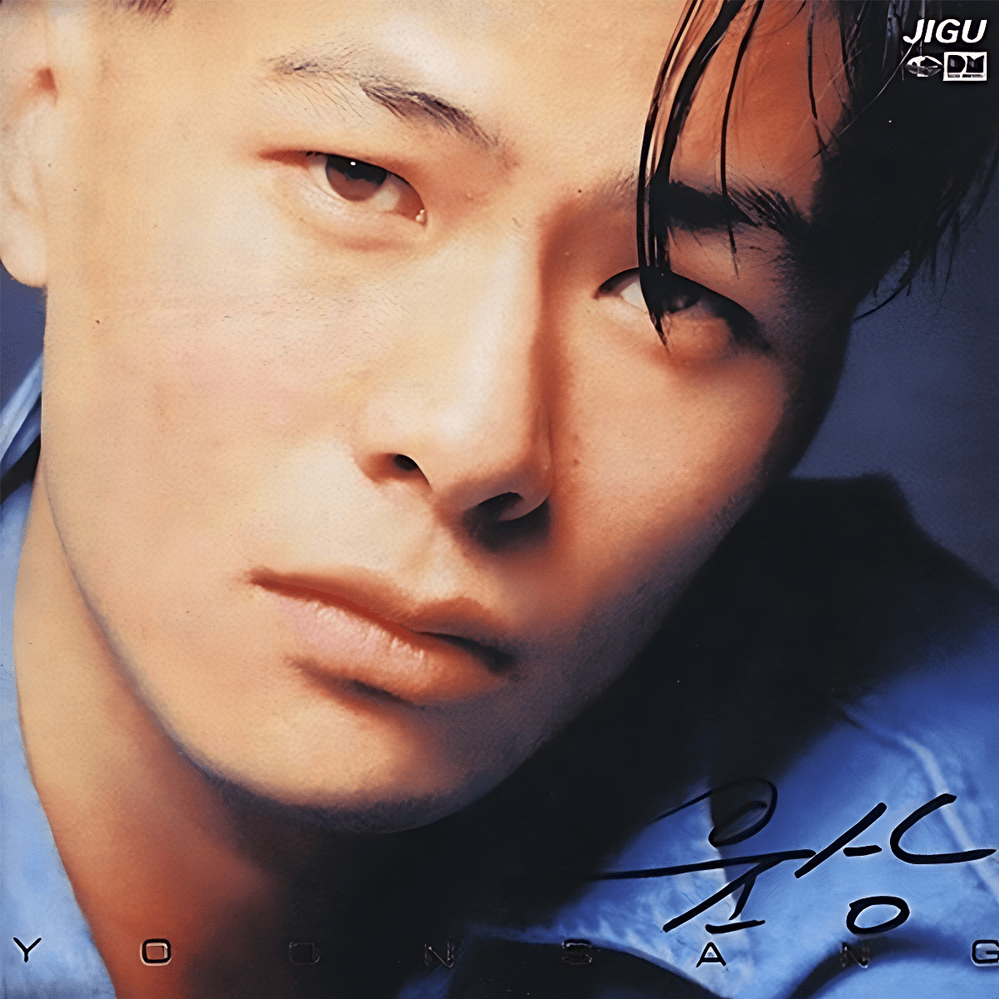
Yoon Sang's "시간의 얼굴 (Face of Time)" isn't just a song; it's a melancholic reckoning with love's inevitable decay. The track dives headfirst into the disorienting experience of watching a once-intimate bond dissolve under the relentless pressure of time. The opening verses, tinged with nostalgia, recall shared secrets and a past where time seemed to crawl, fostering a sense of closeness. But that idyllic picture is quickly shattered by the pre-chorus, which introduces a stark awareness of broken promises and a love that remains unacknowledged by the other party. This unrequited element adds a layer of poignant frustration, hinting at a power imbalance within the relationship itself. It's a situation where one person is acutely aware of the stakes, while the other remains oblivious or, perhaps, indifferent. The lyrics are not simply lamenting a loss; they dissect the anatomy of a fading connection, exposing the raw nerve endings of heartbreak. The question "어떤 일이 남아 있을까?" (What remains?) hangs heavy in the air, unanswered. It speaks to the terrifying uncertainty of what's left when the foundation of a relationship crumbles.
The chorus serves as the emotional core of "Face of Time," encapsulating the painful acceptance of separation. The lines "시간은 흘러 그대는 떠나고 / 함께한 길마저 지울 텐가?" (Time flows, you leave, will you erase the path we walked together?) cut deep, highlighting the fear that not only is the loved one departing, but the shared history, the very fabric of their intertwined lives, is also being erased. This erasure speaks to a deeper psychological wound – the fear of being forgotten, of one's experiences and emotions being rendered meaningless in the eyes of another. The choice to not question the departure ("알 수 없지만 묻지도 않으리라") is a poignant expression of resignation, a decision born not of understanding but of emotional self-preservation. There's a quiet dignity in accepting the inevitable, even if it means facing a future of sorrow. The promise to forget in the future ("서러운 훗날엔 널 잊을 테니") is not an act of malice, but a necessary coping mechanism, a way to safeguard oneself from further pain. It’s a form of emotional distancing, a preemptive strike against future heartache.
Ultimately, "시간의 얼굴 (Face of Time)" is a sophisticated exploration of love, loss, and the passage of time. The song's meaning lies not just in the literal narrative of a breakup, but in the nuanced portrayal of the emotional and psychological toll it takes on the individual left behind. The outro, with its simple, repetitive "La-ra-la" vocals, provides a haunting coda. It's a wordless expression of lingering sadness, a gentle reminder that even after the storm has passed, echoes of the past continue to resonate within us. It’s the sonic equivalent of a sigh, a final acknowledgment of the enduring power of memory and the indelible mark left by a love that once was.
 View Artist