Song Meaning
Yoon Sang's "The Things I'll Forget" isn't just a song; it's a melancholic meditation on the impermanence of love and memory. The opening verse immediately sets a tone of pre-emptive grief, anticipating a lover's departure and the loneliness that follows. But the core of the song meaning resides in the pre-chorus's repeated line: "These thoughts of mine are just thoughts." This isn't denial, but a defense mechanism against the crushing weight of inevitability. He's acknowledging the potential for heartbreak while simultaneously trying to minimize its power by framing it as mere speculation. It's a very human attempt to control the uncontrollable. The rainy evening and unchanging cafe scene serve as a poignant backdrop to this internal struggle, highlighting the contrast between the stability of the external world and the fragility of human relationships.
The chorus of "The Things I'll Forget" then pivots to a more philosophical contemplation. Love, Yoon Sang suggests, is an "beautiful misunderstanding," a source of both joy and sorrow. This isn't a cynical dismissal of love, but rather a recognition of its inherent contradictions. The acceptance of change ("Things that change must change") is crucial. There's a sense of resignation, but also a quiet strength in acknowledging the cyclical nature of life and love. The repetition of "being forgotten" emphasizes the ephemerality of existence, suggesting that all things, even the most cherished memories, are destined to fade.
Ultimately, the lyrics analysis reveals "The Things I'll Forget" as a sophisticated exploration of coping with loss. It's about understanding that love, while beautiful, is also transient, and that forgetting is an inevitable part of the human experience. The song doesn't offer easy answers or false comforts. Instead, it provides a space for listeners to confront their own fears of abandonment and mortality with a sense of quiet introspection. The song's power lies in its ability to articulate the complex emotions surrounding love and loss with both vulnerability and a stoic acceptance of reality.
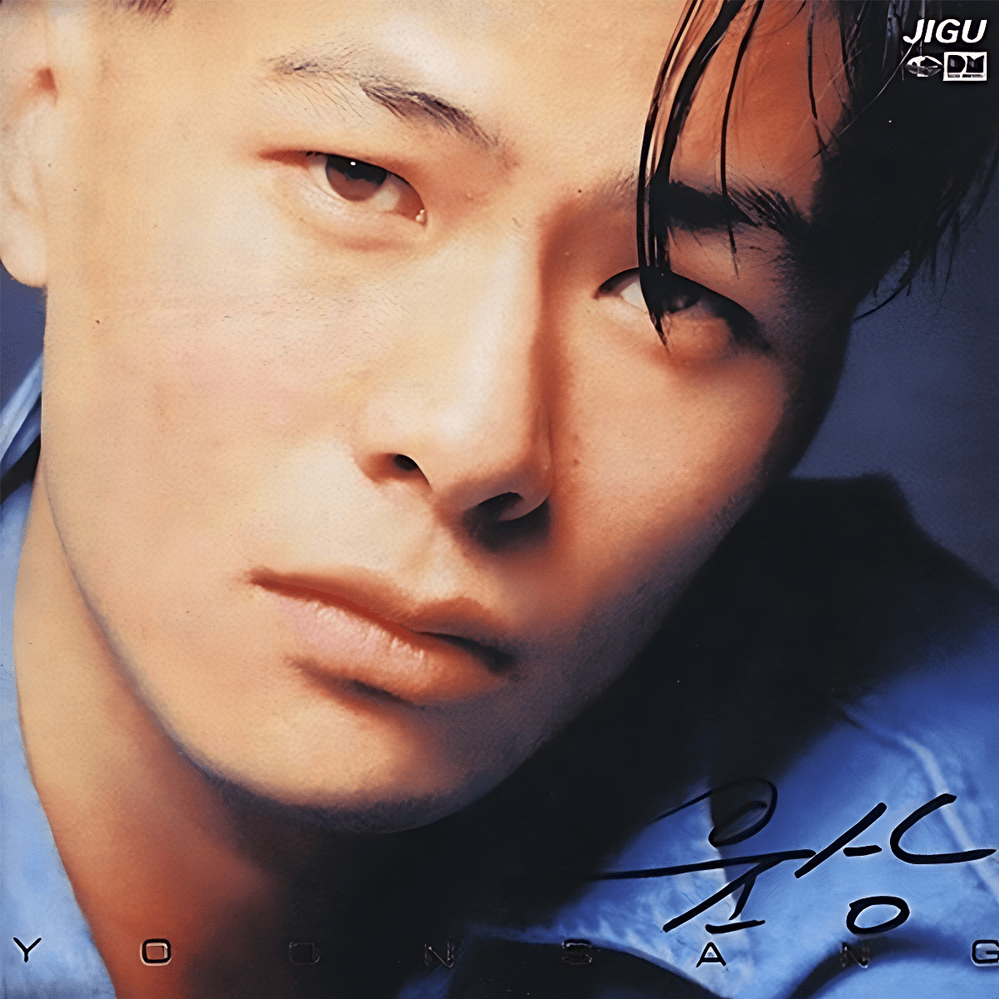
 View Artist