Song Meaning
Yoon Sang's "Between Hidden Time" isn't merely a wistful K-ballad; it's a poignant exploration of memory, loss, and the enduring power of first love as refracted through the prism of time. The song opens with an image of children playing in a schoolyard at dusk, the scene bathed in the fading sunlight. This idyllic tableau immediately triggers a cascade of nostalgia, specifically the memory of a girl, her 'large eyes' imprinted on the singer's mind from his own childhood. This isn't just any girl; she represents the genesis of romantic feeling, the 'shy thrill' of first love. It's a universal touchstone, that formative experience that shapes our understanding of connection. The image is framed by the sounds of children playing hide and seek which serves as a metaphor for both the hiding of love, and the hiding of time. This is a memory that's being sought out and found. The hide and seek, also recalls a sense of childish innocence and playfulness that is contrasted with the adult sentimentality of the song. The children playing echo into the distance, creating a dream-like sequence of sounds and images.
The central question posed by the lyrics, "Do you ever think of me?", isn't a simple inquiry; it's an existential plea. The singer acknowledges that this past relationship, this foundational experience, is both the reason he continues to wander ('the reason I still wander') and the reason they are now irrevocably separated. There's a bittersweet recognition that this person, this connection, still resonates deeply within him, shaping his present even though they are no longer together. This speaks to the profound impact of early relationships, how they can continue to influence our choices and desires long after they've ended. It's a mature understanding of how the past isn't something to be escaped but rather something to be integrated into the present. The repetition of the chorus underscores the cyclical nature of memory and longing.
The title itself, "Between Hidden Time," encapsulates the song's core theme: the way memories exist in a liminal space, obscured yet accessible, influencing our present even as they remain firmly rooted in the past. The song uses 'time' as a force that obscures love, hides it from our view, and makes the singer have to seek it out. Yoon Sang isn't just singing about a lost love; he's dissecting the psychological weight of that loss, the way it continues to shape his identity and his understanding of connection. The song suggests we are all, in a way, haunted by the ghosts of our past loves, forever searching for echoes of those initial sparks of connection in our present relationships. The meaning of the song lies not just in the lyrics, but in the space between them, in the unspoken acknowledgment of the enduring power of first love to shape our lives.
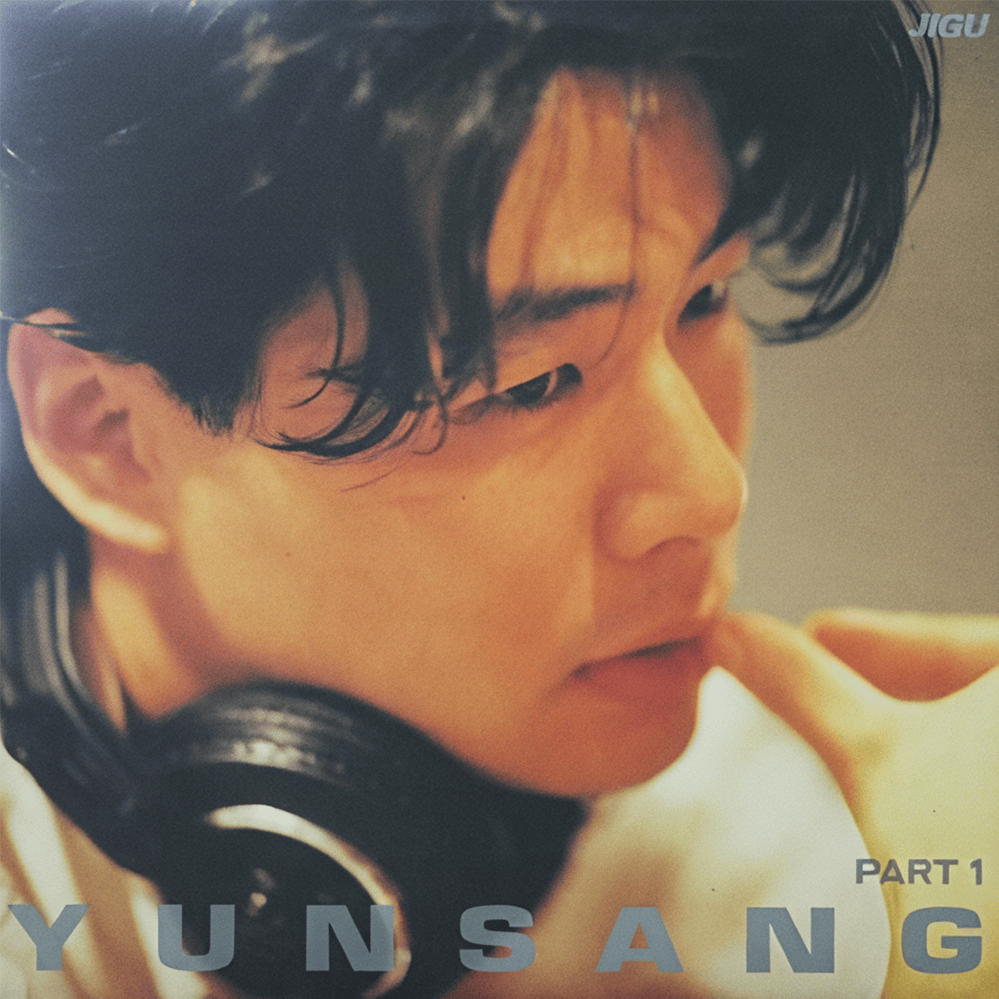
 View Artist