Song Meaning
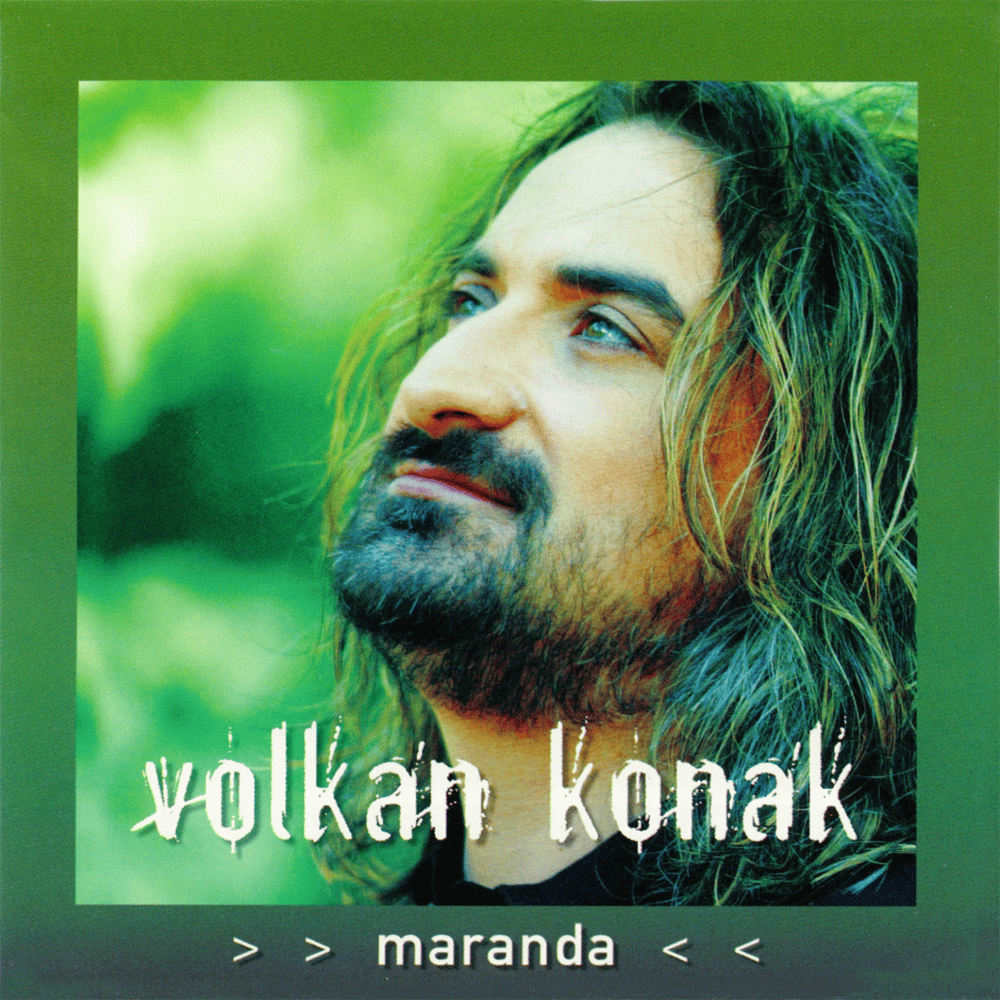
Volkan Konak's "Vasiyet"—which translates to "The Will" or "Testament"—is a starkly beautiful and profoundly human meditation on death, legacy, and the yearning for a just future. It's a song steeped in Anatolian soil, both literally and figuratively. The lyrics reveal a speaker contemplating their own mortality, not with fear, but with a quiet determination to be reunited with the land and its people after death. The request to be buried in a village cemetery, alongside "Irgat Osman" (Osman the Laborer) and "Şehit Ayşe" (Ayşe the Martyr), is not merely a sentimental wish; it's a powerful statement of solidarity with the working class and a rejection of elitist notions of death and remembrance. These are Konak's chosen family, bound by shared struggle and hardship.
"Vasiyet" aches with a longing for a utopian future, one where tractors sing instead of engines of oppression, where fields are communal, and where the ever-present threats of drought and state violence are banished. The speaker acknowledges that they won't be alive to witness this transformation, lying "deaf, blind, and mute" beneath the soil. Yet, the act of envisioning this future, of singing these songs "before they were even composed," becomes a form of pre-emptive hope, a way of willing a better world into existence. The "burnt gasoline smell" and the image of tractors, even before their physical manifestation, represent the seeds of progress and change, planted in the collective consciousness.
The song's emotional weight derives from the quiet dignity afforded to the speaker's "silent neighbors," Ayşe and Osman. They endured hardship and longing without perhaps even fully grasping the scope of their oppression. By choosing to rest beside them, the speaker elevates their struggles, transforming a simple burial plot into a memorial for the unsung heroes of the land. The final request—a simple sycamore tree instead of a grand tombstone—underscores the song's central theme: a humble return to the earth, a merging with the landscape and the collective memory of the people. Volkan Konak doesn't offer easy answers or saccharine platitudes, but a raw, unflinching vision of death interwoven with the enduring hope for a more equitable world.
 View Artist