Song Meaning
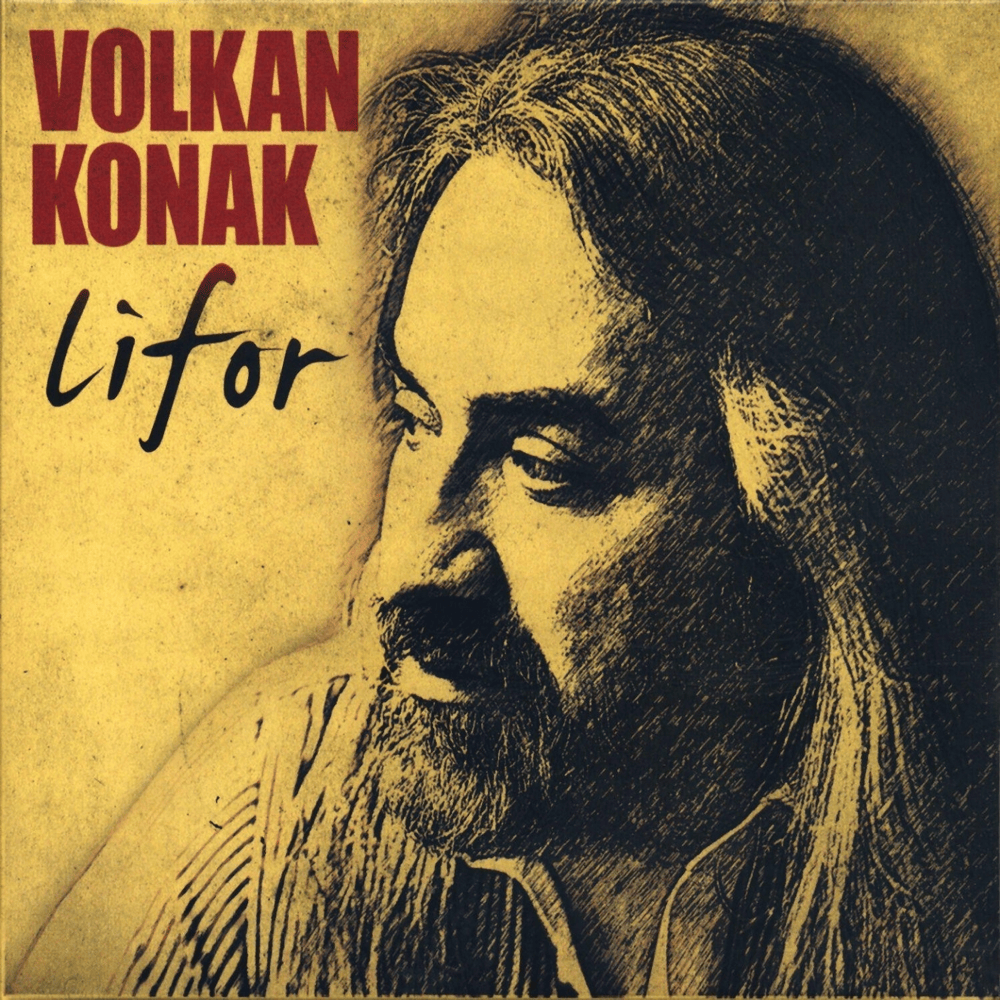
Volkan Konak's "Ayletme Beni" isn't just a song; it's a raw nerve of longing, throbbing with the ache of unfulfilled desire. The recurring image of lights burning on a distant mountain immediately establishes a sense of separation, a physical and emotional gulf between the singer and his beloved, Fadime. These aren't just any lights; they're inscribed with 'sevgilim' ('my darling'), a desperate projection of affection across the void. The repetition emphasizes the intensity of his yearning, a signal fired into the darkness, hoping for a response. It's a primal scream disguised as a folk song. The distant lights become a symbol of hope, yet also a constant reminder of distance.
The bleating lambs in the second verse introduce a subtle layer of existential dread. What at first seems pastoral quickly turns melancholic: 'It's not the sound of lambs, Fadime, but lives ending.' This juxtaposition of youthful innocence (lambs) with the stark reality of mortality suggests that the singer's time is running out, that the delay in their reunion is not just frustrating, but potentially devastating. Each passing moment is a piece of his life slipping away. This elevates the song beyond a simple love lament into a meditation on time, loss, and the fleeting nature of existence. The plea to 'Ayletme beni, söyletme beni' ('Don't make me suffer, don't make me speak') is less a request and more a desperate attempt to hold onto what little hope remains.
The phrase 'Alçak yüksek tepede, Fadime'm, bekletme beni' ('Don't make me wait for you on the low, high hill, Fadime') further complicates the song's meaning. The 'low, high hill' could be interpreted as a metaphor for the emotional rollercoaster of hope and despair, the constant fluctuation between anticipation and disappointment. Or it could simply be the physical place where he waits, exposed and vulnerable. Konak masterfully uses simple imagery to evoke complex emotions, tapping into the universal human experience of longing and the fear of being left behind. The song meaning ultimately resides in this tension: the beautiful, agonizing space between hope and despair, love and loss.
 View Artist