Song Meaning
Volkan Konak's "Ela Ela Leose" unfolds like a cherished, faded photograph, its edges softened by time and longing. The repetition of "epulim pulim" and "ela ela leose" functions as a cyclical incantation, a rhythmic return to a core memory. At its heart, the song seems to be an ode to a figure named Ayşe, likely a childhood companion or a first love, seen through the gauze of nostalgia. The lyrics evoke simple, potent images: conversations with a grandmother ("ninemlan"), Ayşe in her school uniform, a hand-woven curtain at a window. These are not grand pronouncements, but rather intimate snapshots of a shared past. The phrase "Bi' daha görsa idum" ("If I could see again") underscores the yearning for a return to that innocent time. It’s a sentiment that resonates deeply, tapping into the universal human desire to revisit formative moments and the people who shaped them.
The desire for education surfaces as a central theme. The plea, "Verun beni mektebe / Ayşemlan okuyayim ela ela leose" ("Give me to school / Let me read with Ayşe"), suggests that education, and specifically learning alongside Ayşe, represents a kind of idyllic fulfillment. It's not just about academic pursuit, but about the shared experience, the connection forged through intellectual growth. This adds a layer of poignancy, hinting at perhaps a thwarted opportunity or a path not taken. The act of loading horses and descending to the scales (terazilara) introduces a hint of transition or departure, possibly symbolizing a shift in life's trajectory, a movement away from the world shared with Ayşe.
Ultimately, "Ela Ela Leose," through Volkan Konak's evocative delivery, becomes a meditation on memory, connection, and the bittersweet passage of time. The final lines, "Kurban olayim Ayşem epulim pulim / Yazduğun yazilara ela ela leose" ("I sacrifice myself for Ayşe / For the writings you wrote"), suggest a profound respect and admiration for Ayşe's intellect and creativity. The speaker is willing to offer himself for her writings, highlighting the enduring impact she had on him. The song's beauty lies not in complex narratives but in its ability to capture the simple, resonant details of human connection and the enduring power of childhood memories, rendered with a palpable sense of longing.
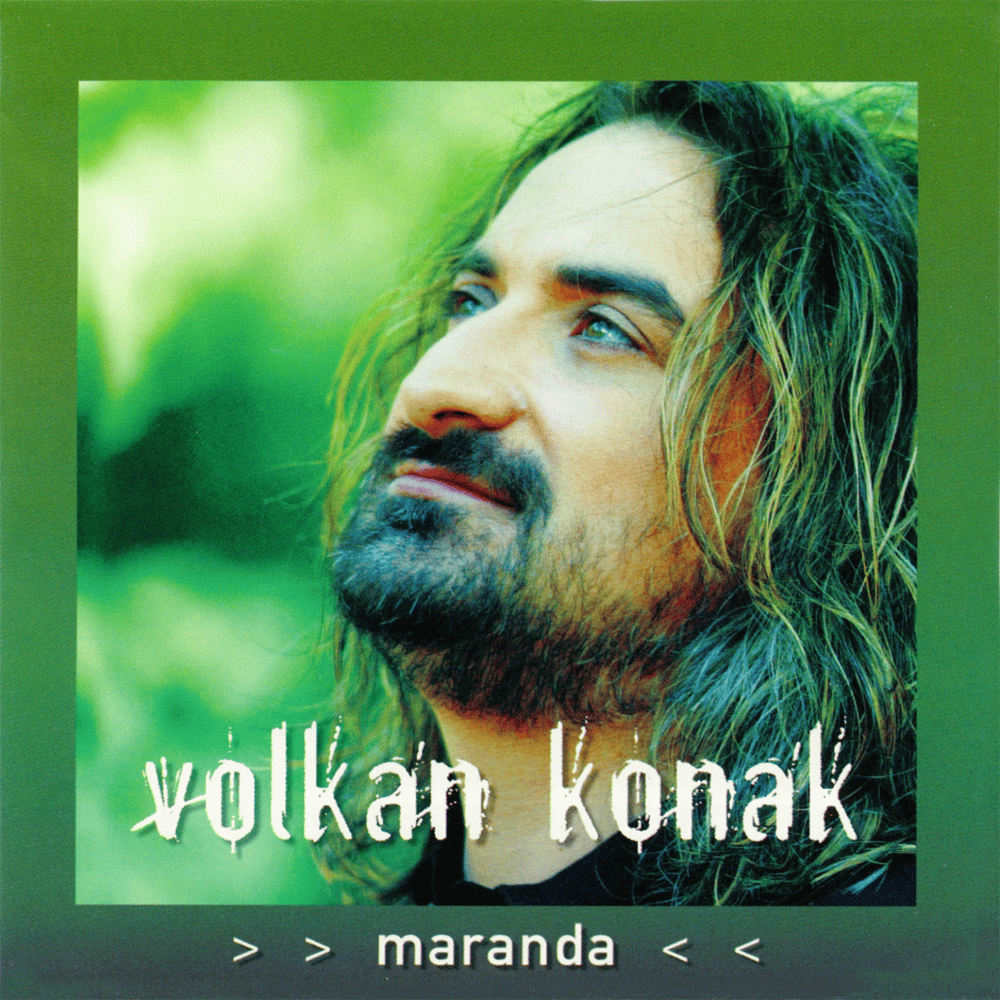
 View Artist