Song Meaning
Volkan Konak's "Taş Altında Karınca (Yayla Havası)" bleeds with the raw ache of separation, a signature wound in the Turkish folk tradition. The song's core isn't just about lost love; it's a meditation on the lingering pain and confusion that follows a rupture. The opening lines, lamenting the departure from a loved one and the subsequent singing of mournful tunes, immediately establish a landscape of sorrow. The desire for "eski günlerum" (old days) reflects a yearning for a past where joy and connection were abundant. This sets the stage for a deeper exploration of heartbreak and the struggle to comprehend its origins.
The symbolic weight of the lyrics lies in their stark imagery. "Taş altında karınca, karınca kararınca" (ant under the stone, ant as dark as it gets) presents a metaphor for hidden suffering, a quiet endurance beneath the surface of things. The singer's observation of his beloved, "göresledum yarumi mintanina varınca" (I saw my love until her shirt), suggests a longing gaze, a final glimpse before the inevitable parting. This image encapsulates the bittersweet nature of memory, the haunting presence of what once was. The reference to the singer being "Bu kuzey'in uşağı" (a boy from the North) roots the song in a specific cultural geography, connecting personal grief to a broader sense of place and identity.
The song's emotional core intensifies with the admission of witnessing the beloved's tears: "Gördüm yari ağlarken, artık ben daha gülmem" (I saw my love crying, I won't laugh anymore). This declaration signifies a profound empathy and a commitment to sharing the pain. The bewilderment expressed in "Bu kadar sevilirken, nasıl ayrıldık bilmem" (I don't know how we broke up while we loved each other so much) captures the disorienting nature of heartbreak, the inability to reconcile deep affection with ultimate separation. Finally, the lament of "Ah gurbet zalim gurbet, zulüm kaybana zulüm" (Oh exile, cruel exile, oppression is oppression) transforms personal sorrow into a broader commentary on displacement and loss, underscoring the song's resonance with universal themes of longing and the enduring power of love's absence.
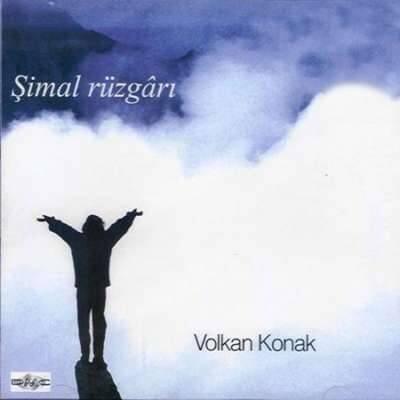
 View Artist