Song Meaning
Volkan Konak's "Hem Okudum Hem Yazdım" cuts deep with a raw, almost primal grief. The surface simplicity of the lyrics belies a profound meditation on loss and the deceptive nature of the world. The opening lines, "Hem okudum hem de yazdım / Yalan dünya senden bezdim aman" immediately establish a sense of weariness, a disillusionment with the "false world." It's the lament of someone who has sought knowledge and understanding, only to find themselves exhausted by the world's inherent contradictions and betrayals. This isn't just world-weariness; it's a visceral rejection of its core tenets. The line, "Dağlar otlağını gezdim / Yiten yavru bulunur mu" introduces a more specific sorrow, the search for a lost child. The vastness of the mountains emphasizes the hopelessness of the search, the unlikelihood of finding what's been lost.
The emotional core of the song resides in the second verse. "Yandı yürek döndü köze / Mehmedimi bir top beze / Saran dünya değil misin" speaks of a heart burned to ash, the image of "Mehmedim" wrapped in cloth is starkly reminiscent of death. This verse suggests a lament for a lost son or loved one named Mehmet, and a direct accusation leveled at the world for its cruelty. The lines, "El veriyor el veriyor / Orta da direk bel veriyor aman" are more opaque, perhaps a reference to societal structures failing or offering false support in the face of such personal tragedy. The final lines, "Döndüm baktım sağ yanıma / Mehmedim can veriyor hey" are devastating. The singer turns to see Mehmet dying, a moment of unbearable pain and helplessness.
Ultimately, "Hem Okudum Hem Yazdım" is a powerful expression of grief and a condemnation of a world that allows such suffering. It's a song that resonates not through complex metaphors or intricate narratives, but through the raw, unfiltered emotion conveyed in its simple yet evocative lyrics. The song meaning lies not just in the words themselves, but in the spaces between them, the unspoken pain that echoes in Volkan Konak's delivery. The repetition of phrases and the use of "aman" add to the feeling of desperation and longing, transforming the song into a heartfelt cry against the indifference of fate.
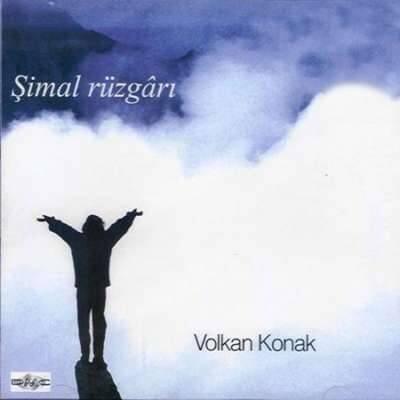
 View Artist