Song Meaning
The lyrics paint a stark picture of someone relentlessly searching for a pitiable figure, leaning against a white wall and exhaling a "dirty breath." This search seems to be a core, almost obsessive, activity. The scene feels stagnant and bleak, with the narrator stuck in a loop of observation and a grim, almost passive, existence.
The central tension arises from the narrator's waiting, perched "on the cuckoo's nest," for a "common salvation" and a "forgiveness for the meaning of loss." This suggests a profound sense of disillusionment and a desire for absolution, not just for themselves but perhaps for the person they are observing. The contrast between the narrator's stagnant wait and the observed person's seemingly superficial engagement with the world – wearing "fashionable clothes" and experiencing "broken February film" – highlights a disconnect and a shared, yet differently expressed, brokenness.
The imagery of the "cuckoo's nest" is particularly striking, evoking a sense of parasitic existence or being in an unnatural, precarious position. The repeated phrase "looking for a pitiable person" underscores the narrator's fixation on finding fault or weakness, perhaps as a way to validate their own state. The act of "eating and then vomiting" further emphasizes a cycle of consumption and rejection, a metaphor for a life devoid of genuine nourishment or satisfaction.
Ultimately, these lyrics resonate through their portrayal of a deep-seated ennui and a desperate, yet passive, search for meaning or escape. The meticulous depiction of decay and the longing for an undefined salvation create a powerful sense of melancholic introspection, leaving the listener with a lingering feeling of unease and empathy for what might be lost or never found.
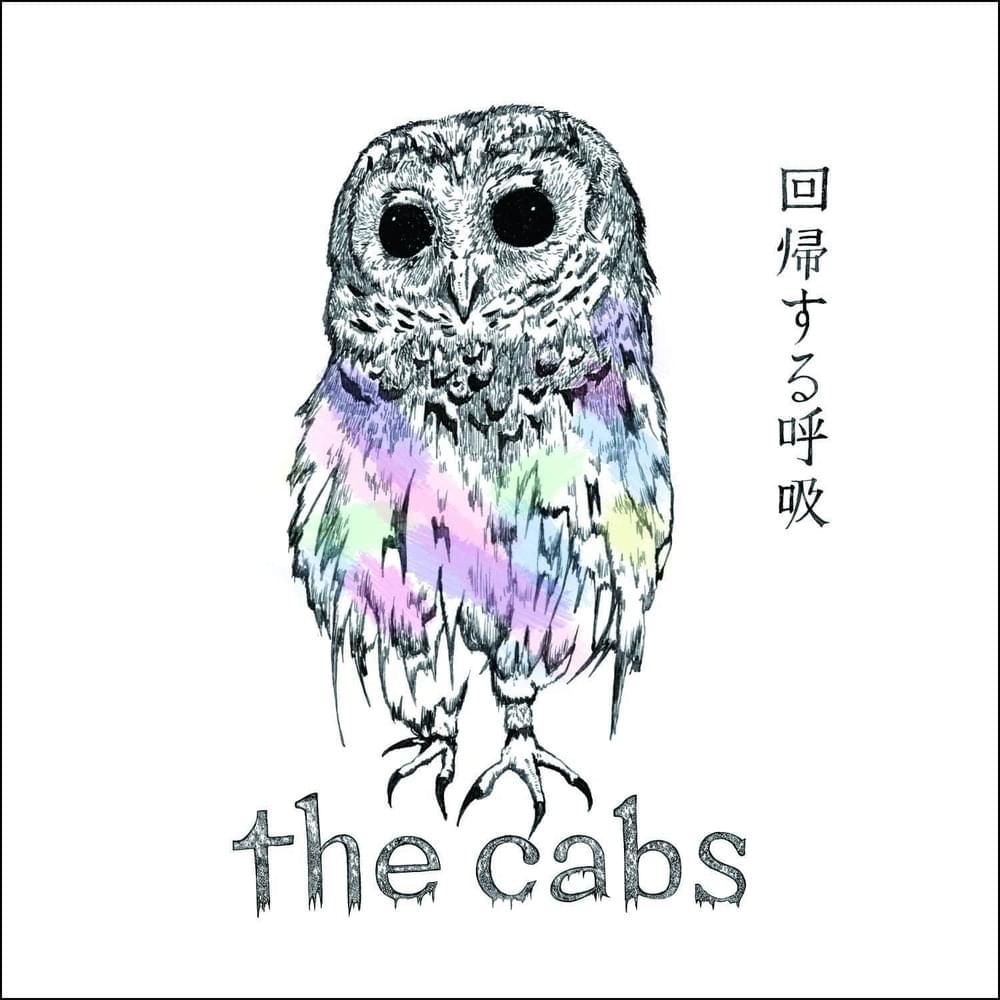
 View Artist