Song Meaning
The lyrics paint a stark, almost surreal picture of emotional detachment and the desperate clinging to memory. The opening lines immediately establish a sense of fading connection, with a canary, a trembling shoulder, and a hoarse throat all suggesting a loss of vitality or voice. The narrator notes that faces will be forgotten once May ends, a chillingly casual dismissal of people and experiences, hinting at a profound internal disconnect. This sets a tone of impending loss, where even significant events, like a revolution turning a prostitute into a mother, are presented with a detached, observational quality.
The core tension seems to revolve around the narrator's struggle with memory and identity in the face of potential or actual loss, particularly the death of a "you." The narrator imagines this death would bring understanding, but it's a dark, visceral understanding: memories dissolving into paint to hide blood, dreaming of being a clown, and a child born into a flock of sheep. This imagery suggests a descent into a distorted reality, where the self is fragmented and the external world becomes a canvas for internal chaos. The repeated phrase "たとえば君が死んだなら" (If, for example, you were to die) acts as a morbid hypothetical, a lens through which the narrator processes their own potential disintegration.
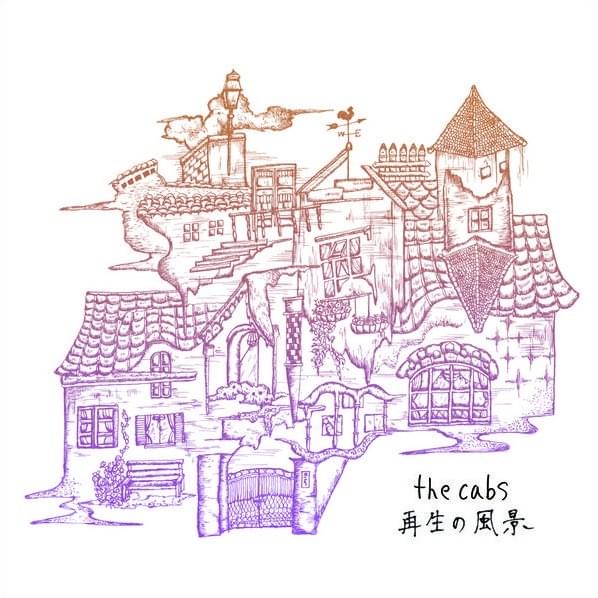
The most striking craft element is the recurring motif of bodily and environmental dissolution, juxtaposed with the mundane. The narrator lists a series of devastating personal losses – eyes blinded, hands rotted, heart corrupted, and a relationship gone wrong – all leading to a chilling conclusion: "地図にこの体が溶け出して街になる" (My body will melt into the map and become the city). This transformation from individual to urban landscape is a powerful metaphor for losing oneself entirely, becoming a mere part of the environment, perhaps a monument or a forgotten ruin. This is contrasted sharply with the final, poignant detail: the inability to recall how "you" held a spoon, a small, intimate gesture that highlights the fragility of personal connection against the backdrop of overwhelming existential dread.
These lyrics resonate because they articulate a profound fear of erasure and the desperate, often bizarre, ways the mind tries to process overwhelming emotional pain. The specific, unsettling images – blood hidden by paint, a clown dream, a child among sheep, a body melting into a city – bypass intellectualization and hit directly at a primal fear of losing oneself and one's connections. The contrast between grand, apocalyptic scenarios and the tiny, forgotten detail of a spoon's grip creates a powerful emotional dissonance, making the narrator's internal landscape feel both alien and disturbingly familiar.
 View Artist