Song Meaning
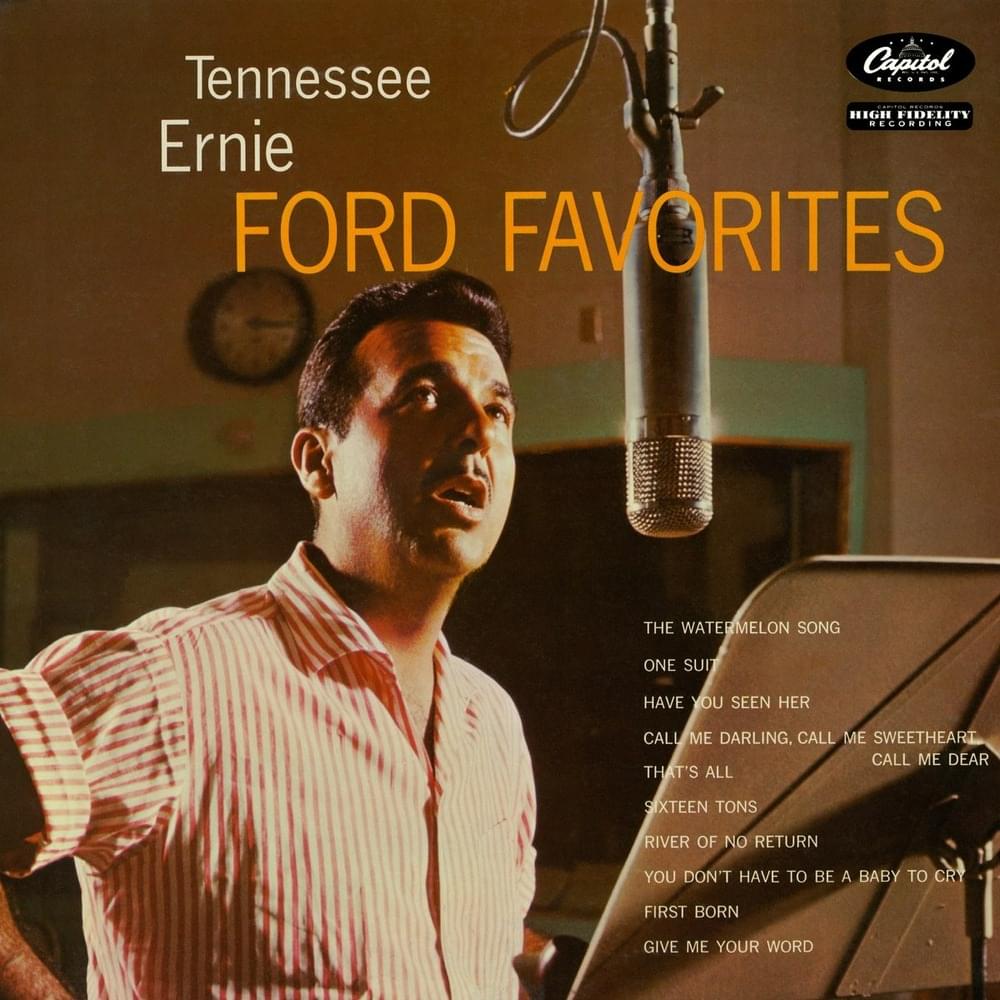
Tennessee Ernie Ford's "You Don't Have to Be a Baby to Cry" isn't some saccharine dismissal of adult pain, but rather a stark acknowledgement of love's universal capacity to wound. The song’s core conceit revolves around dismantling the cultural expectation that tears are the exclusive domain of children. Ford’s delivery, imbued with a world-weariness that transcends the simple melody, underscores the point: heartbreak doesn't discriminate by age. The 'baby' in the title isn't a literal infant, but a symbol of vulnerability, a raw emotional state that everyone, regardless of maturity, can experience when love turns sour.
The lyrics themselves are deceptively simple, built on the central refrain that denies the necessity of childishness for expressing sorrow. The 'golden rainbow' that vanishes upon the lover's departure is a potent, albeit familiar, metaphor for lost joy and shattered illusions. More interesting is the line, "These ain't raindrops in my eyes, Why should I lie?" This isn't just a denial of weakness; it's an assertion of honesty in the face of societal pressure to remain stoic. Ford isn't ashamed of his tears; he's challenging the listener to confront the reality of adult emotions without resorting to dismissive platitudes.
Ultimately, the song's meaning lies in its quiet rebellion against emotional repression. "You Don't Have to Be a Baby to Cry" suggests that acknowledging vulnerability is a sign of strength, not weakness. It offers solace to anyone who has ever felt the sting of heartbreak, reminding us that tears are a valid and human response to loss, regardless of age or perceived maturity. Tennessee Ernie Ford, through this seemingly simple song, delivers a profound message about the shared experience of love and loss, and the courage it takes to embrace our own emotional truth.
 View Artist