Song Meaning
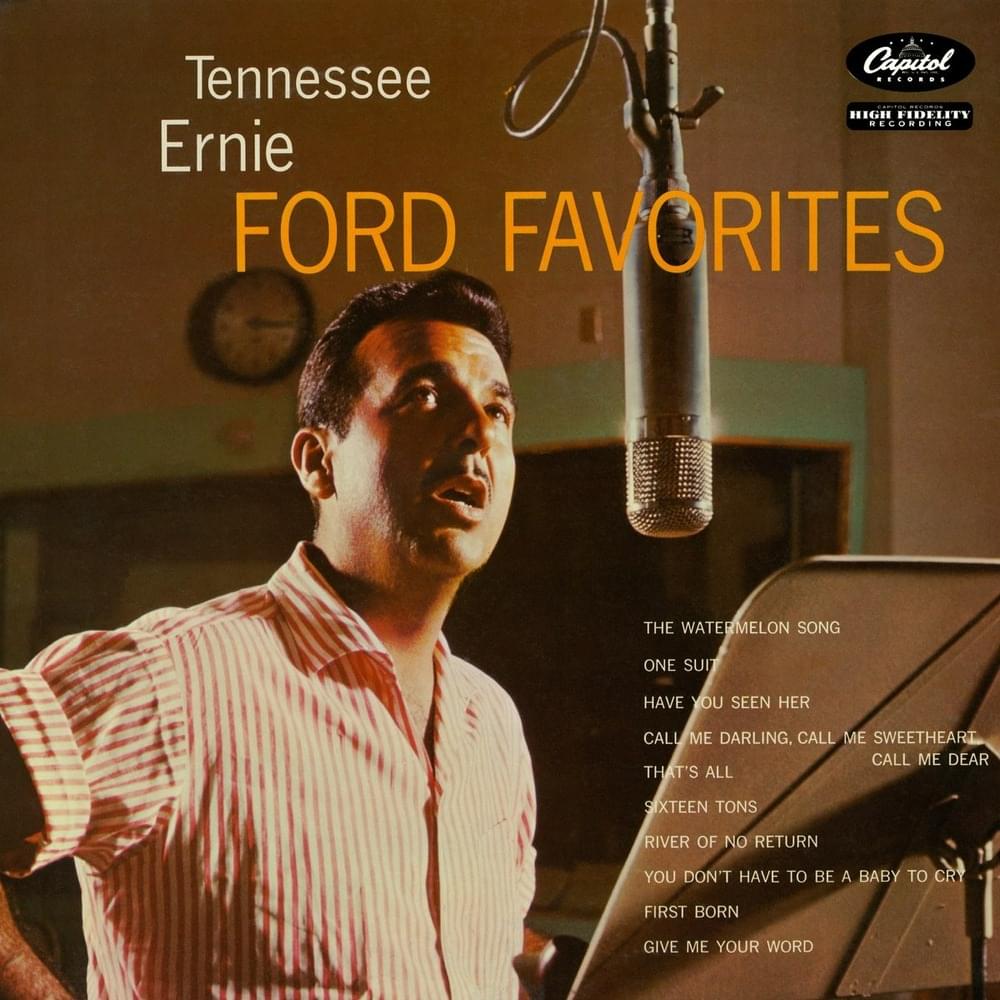
Tennessee Ernie Ford's plea in "Give Me Your Word" isn't just a simple request for affection; it's a deeply vulnerable negotiation for existential reassurance. The lyrics orbit the core desire for a reciprocal commitment, not just in action, but in unwavering, enduring feeling. This isn't a fling; it's a yearning for a shared destiny, underscored by the repetition of the titular request. The speaker's heart, they claim, beats solely for the object of their affection, a powerful, almost desperate declaration of dependence.
The emphasis on verbal commitment – "Give me your word" – reveals an anxiety about the ephemeral nature of emotions. Actions, while important, are insufficient. The speaker craves the solidity of a promise, a verbal anchor against the uncertainties of life and love. The repeated lines, "Give me your lips / And let your lips remain," function as both a sensual entreaty and a symbolic merging, a desire to transcend the isolation of individual experience. It's a demand for physical and emotional presence, a tangible manifestation of the spoken commitment.
Ultimately, the song reveals the inherent insecurity that often lies beneath the surface of romantic love. The repeated requests—for a word, for lips, for hope, for a vow—highlight the speaker's fragility and their profound need for validation. The phrase "I'm not in love in vain" speaks volumes. It acknowledges the risk inherent in vulnerability, the fear of unrequited affection, and the desperate hope that this leap of faith will be met with equal devotion. The song's power resides in this raw, exposed nerve of human connection.
 View Artist