Song Meaning
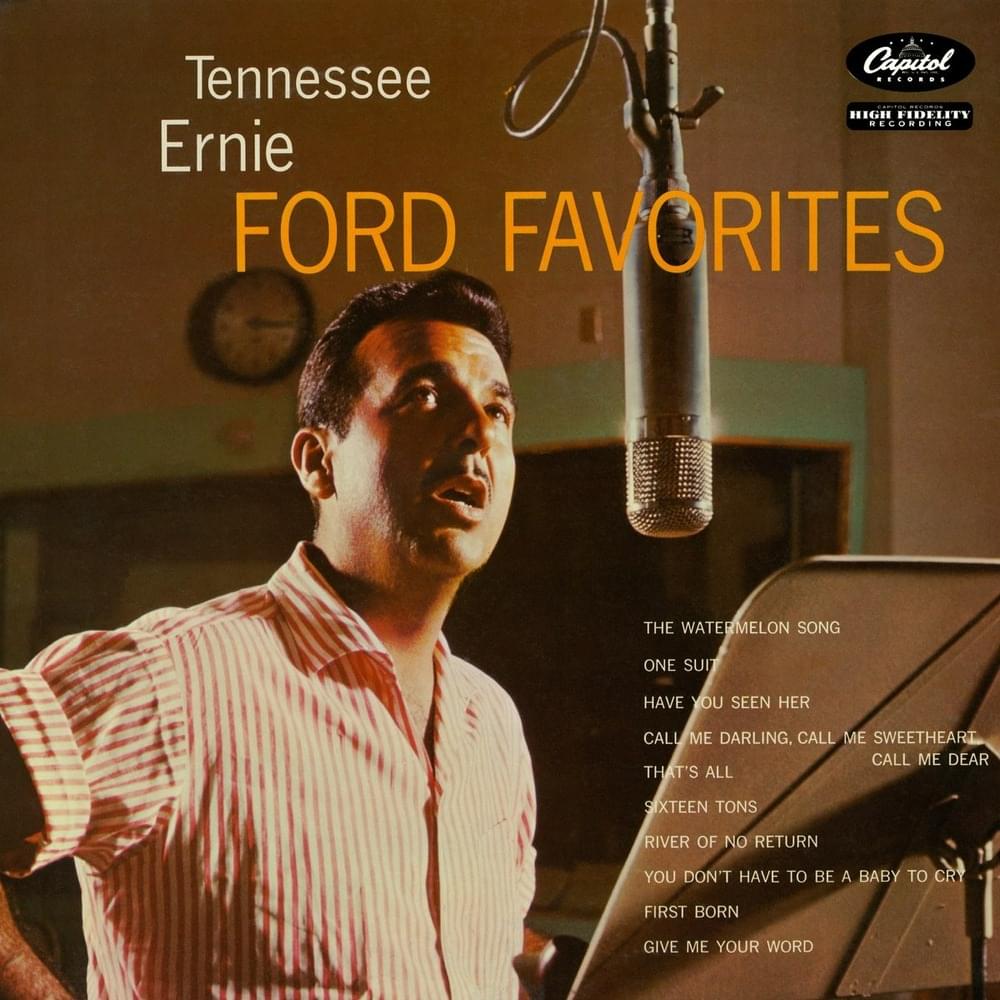
Tennessee Ernie Ford's "First Born" isn't just a lullaby; it's a testament to the profound shift in identity that parenthood ignites. The simple repetition of "First born / This infant with his mother's eyes / Is our first born" underscores the awe and wonder – a mantra celebrating the arrival of a new life, a new beginning for the parents themselves. Ford isn't merely observing; he's internalizing the seismic emotional shift. The lyrics capture that moment when abstract longing transforms into tangible reality, when 'our' becomes inextricably linked to this tiny human. The song speaks to the universality of parental love while acknowledging the unique and irreplaceable position of the first child.
The lyrics subtly hint at the anxieties inherent in becoming a parent. Lines like "And when life / Is stormy / His faith in me will make things right" speak volumes. It's not just about providing; it's about the reciprocal nature of the parent-child bond, the hope that this new life will, in turn, offer strength and purpose. This isn't a one-way street of protection; it's an implicit acknowledgment of vulnerability, a prayer that the child's very existence will be a source of resilience. The understated nature of these lines amplifies their emotional impact, suggesting a depth of feeling that transcends simple pronouncements of love.
Ultimately, "First Born" resonates because it taps into the primal human desire for connection and legacy. The concluding lines, "If the good Lord's willing / He'll bless us with many more / But our first born / Is the child we've been praying for," solidify this theme. While the hope for a larger family is expressed, the emphasis remains on the unique and cherished status of the firstborn. It's a celebration of answered prayers, a recognition of the profound and transformative power of new life, and a promise of unwavering love and devotion. The song's simplicity is its strength, allowing listeners to project their own experiences and emotions onto its universal themes.
 View Artist