Song Meaning
The lyrics paint a picture of instant, overwhelming connection. The narrator sees someone and immediately feels a sense of deep familiarity, calling it a "saathi puraana" (old companion). This initial rush of recognition is so powerful it leads to a state of being "deewana" (crazy or infatuated). The scene is one of profound, almost fated, recognition upon first sight.
The central tension arises from the paradox of this intense familiarity clashing with the reality of being strangers. The lyrics pose the question, "Huay.. Begaanay Kyun / Huay.. Anjane Kyun" (Why have we become strangers/unknowns?). Despite the feeling of a deep past connection, the present reality is one of distance, with separate paths and destinations implied by "Yeh Rasta Mera / Yeh Rasta Tera" (This path is mine / This path is yours). The narrator acknowledges they are "Hum Do Humsafar / Hum Do Ajnabi" (Two fellow travelers / Two strangers) under the same God.
The writing effectively uses pervasive imagery to underscore the omnipresence of the beloved. The narrator finds this person everywhere: "Rangon Main Tu / Khwabon Main Tu / Phoolon Main Tu Hai Chupa" (In colors you are / In dreams you are / In flowers you are hidden) and even in contrasting landscapes like the "Jungle" and "Sehra" (desert). This expansive presence, "Nazron Main Tu Hai Basa" (In my eyes, you reside), reinforces the overwhelming nature of this newfound, yet ancient-feeling, connection.
This lyrical construction works because it captures the disorienting yet exhilarating feeling of love at first sight. The contrast between the internal feeling of deep history and the external reality of being strangers creates a compelling emotional pull. The repetition of the core sentiment, "Dekha Tujhay To Hua / Hua Main Deewana," hammers home the immediate and transformative impact of this encounter, making the narrator's bewilderment at their shared strangeness feel deeply resonant.
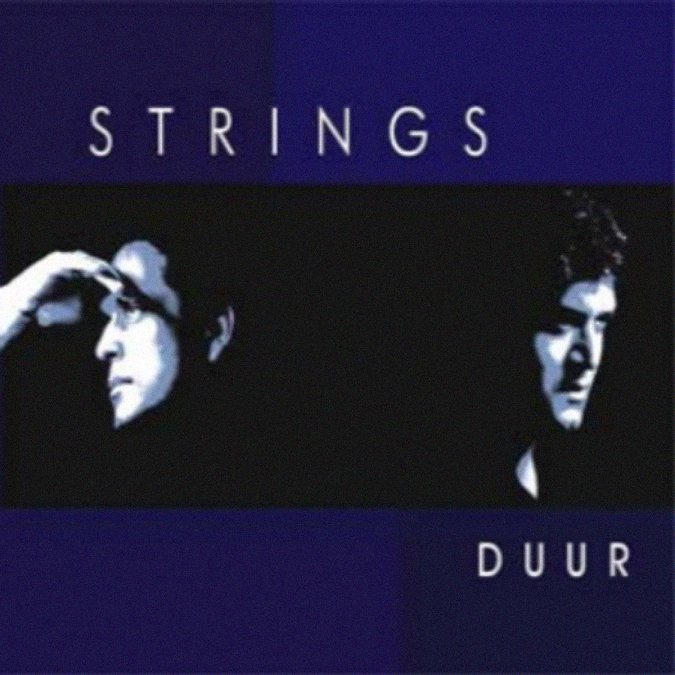
 View Artist