Song Meaning
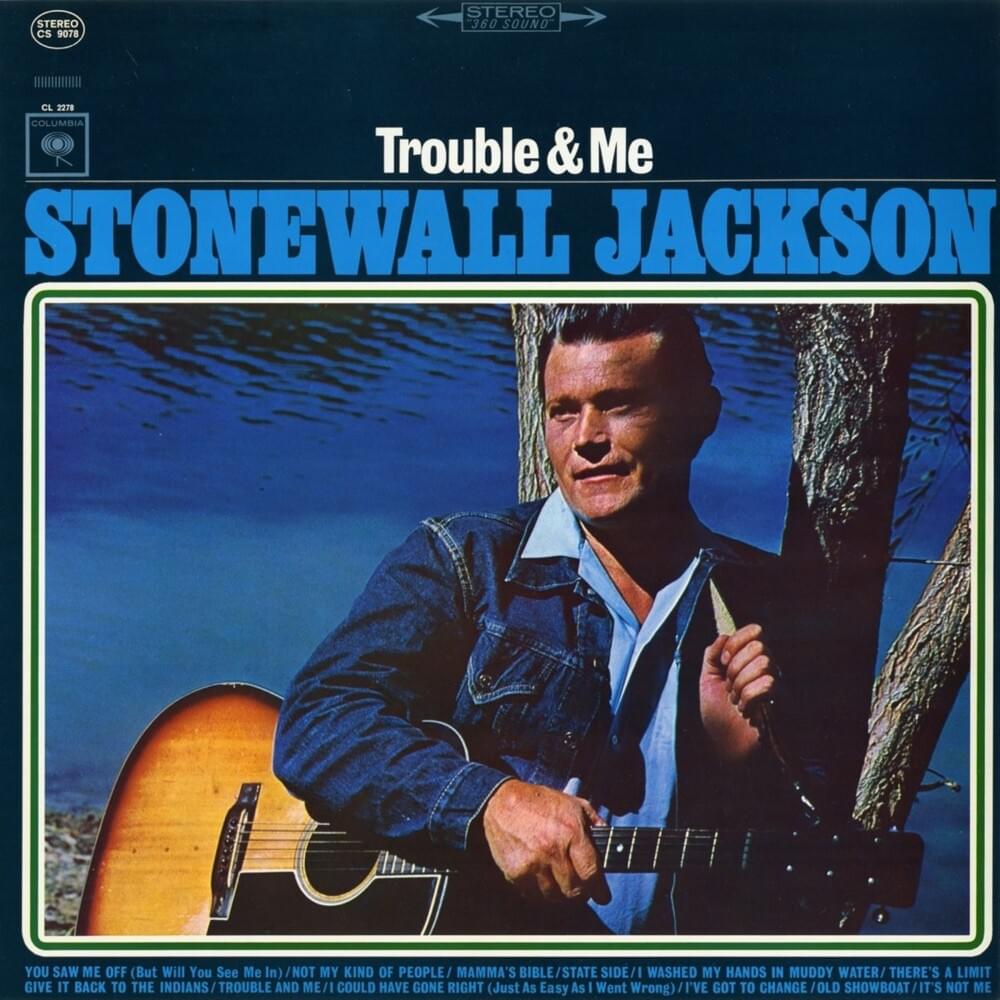
Stonewall Jackson's "I've Got to Change" is a stark, unflinching look at the precipice of self-awareness, teetering between destructive behavior and the glimmer of redemption. It's not just a country lament; it's a raw psychological portrait of a man grappling with his own failings in a relationship he's actively dismantling. The song's power lies in its brutal honesty. He admits, without excuse, that his actions – the "running around," the emotional neglect – are pushing his partner away. There's no blame cast outward, only an internal reckoning with the pain he's inflicting.
The repeated line, "Before all her love has gone, I've got to change," acts as both a plea and a threat. It acknowledges the finite nature of love and patience, suggesting that the point of no return is rapidly approaching. The lyrics hint at a deeper instability, a pattern of behavior that has consistently undermined the relationship. The line "At times that she needs me most I'm in some other town" isn't just about physical absence; it speaks to an emotional unavailability, a fundamental failure to provide support and connection. This is further amplified by the shame he expresses – a recognition that his actions are not only hurtful but also deeply dishonorable.
Ultimately, "I've Got to Change" is a confession, not a resolution. The song ends on the precipice of change, not with the deed itself. The listener is left wondering whether this moment of clarity will be enough to salvage the relationship, or if it's simply a fleeting moment of regret before the cycle of self-destruction begins anew. The simplicity of the arrangement, with its mournful piano, amplifies the vulnerability and rawness of the singer's plea, making it a haunting exploration of the human capacity for both love and self-sabotage.
 View Artist