Song Meaning
The narrator finds himself in a vibrant Tokyo night, yet the city's energy feels hollow and indifferent. Despite the 'busy people everywhere,' there's a profound sense of isolation, a feeling that no one truly notices or cares about his internal state. This disconnect fuels an overwhelming desire to return home, to 'go stateside,' a phrase repeated like a mantra of longing.
This yearning is amplified by his experiences in local establishments, the 'honky tonks,' which offer no solace or genuine connection. He observes the surroundings, but nothing resonates, pushing him to wander aimlessly through the town. The lyrics suggest a deep-seated dissatisfaction, a feeling of being adrift even amidst a bustling foreign landscape. The contrast between the external 'life' of Tokyo and his internal emptiness is stark.
The core of the narrator's ache appears to be homesickness, specifically for a romantic connection back in the USA. He explicitly mentions a 'girl in the USA,' framing his loneliness as a sailor's plight, misunderstood by the 'geisha girls' who 'don't understand.' This highlights a cultural and emotional chasm, emphasizing his feeling of being an outsider whose true affections lie elsewhere.
The raw emotional vulnerability surfaces in the final verse, directly confronting the societal expectation that men don't cry. The narrator admits his 'blue eyes' aren't dry, confessing to 'a million tears' over his two years away. This powerful admission underscores the depth of his despair and the immense relief he anticipates upon returning home, making the repeated plea to 'go stateside' a desperate cry for comfort and belonging.
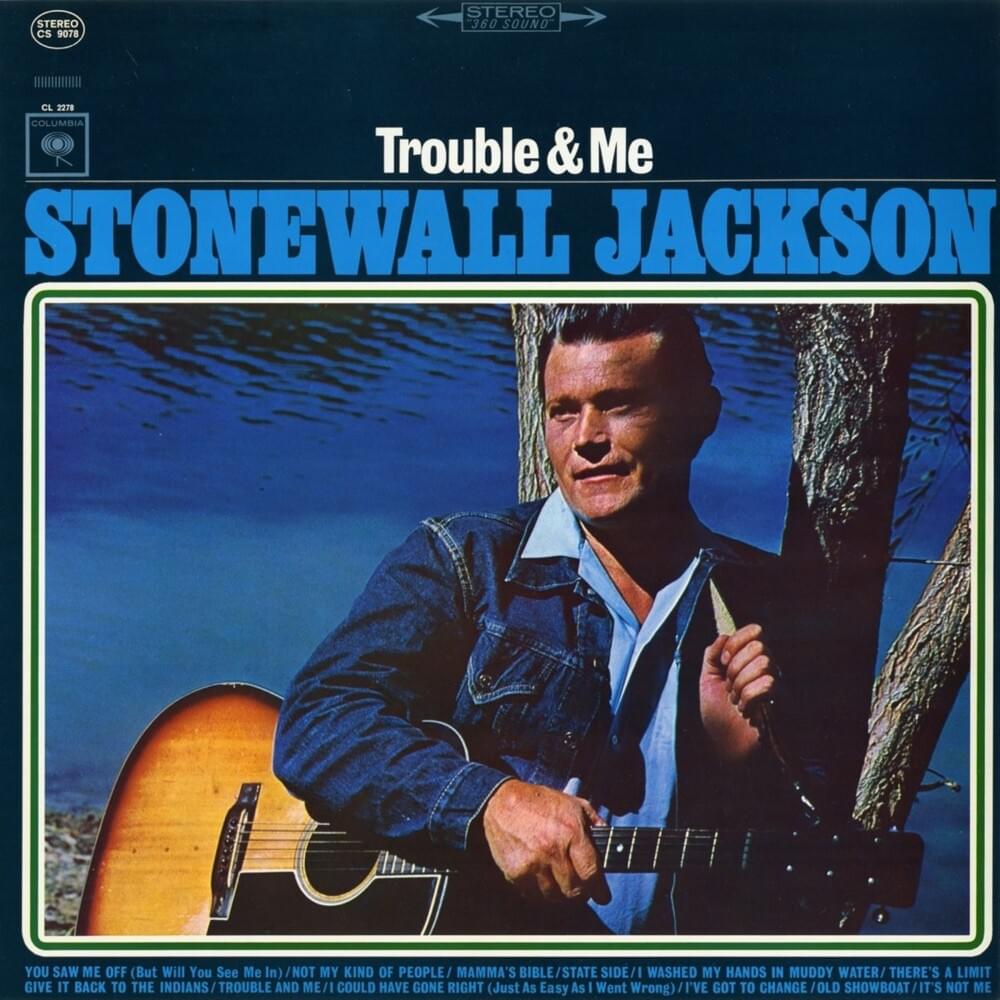
 View Artist