Song Meaning
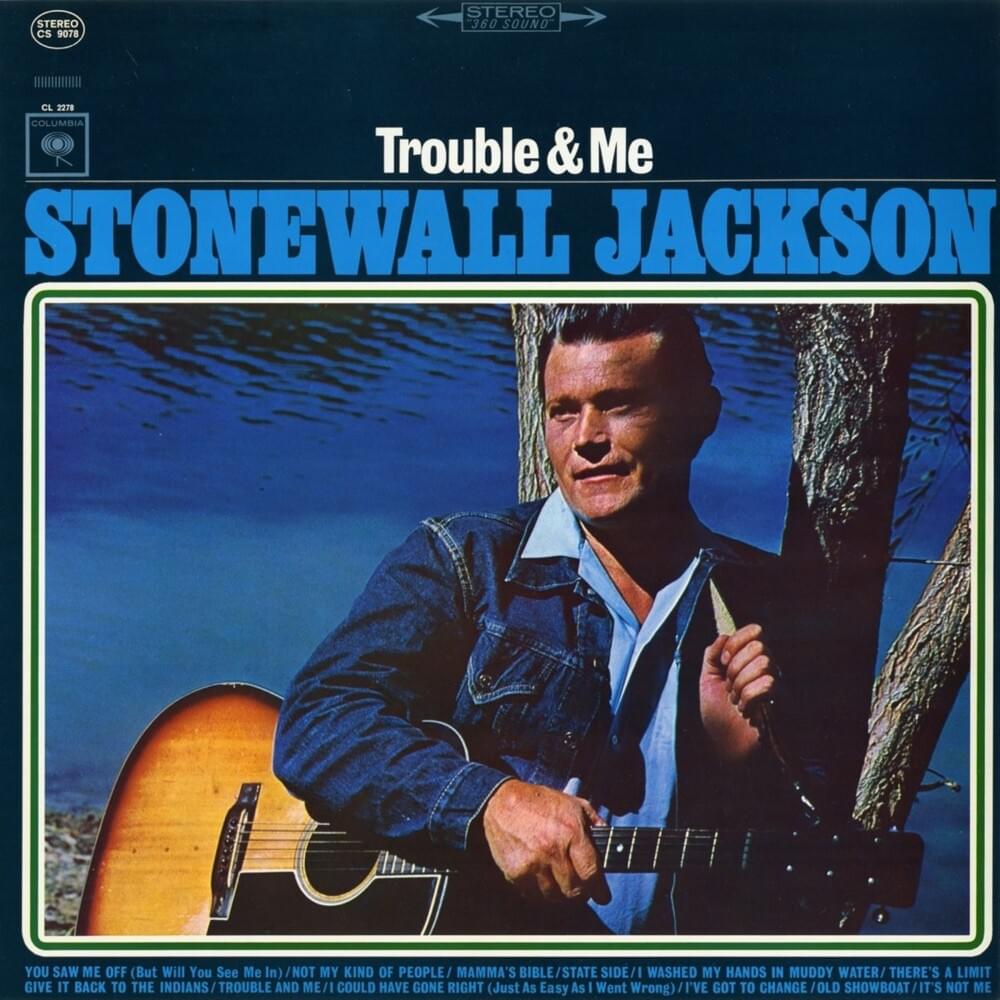
Stonewall Jackson's "I Could Have Gone Right (Just As Easy As I Went Wrong)" is a stark, self-lacerating examination of moral failure and the razor's edge separating redemption from ruin. The song isn't a boast or a lament; it's a confession delivered from the depths of a prison cell, a space where consequences have become inescapable. The opening lines paint a picture of a privileged upbringing, a foundation built on love and opportunity. Yet, this foundation crumbles under the weight of "the wrong crowd," a classic trope, but here it serves as a catalyst for a deeper exploration of personal responsibility. The accessibility of sin, the ease with which one can "fall for the wrong things," isn't presented as an external force but as an internal vulnerability exploited.
The heart of the song meaning lies in the repeated line, "I could have gone right just as easy as I went wrong." It's not an excuse, but a chilling acknowledgement of the precarious nature of choice. The lyrics never specify the crime, which amplifies the universality of the narrative. The listener fills in the blanks, imagining their own potential for moral slippage. This isn't about a specific transgression; it's about the inherent human capacity for self-destruction, amplified by susceptibility to negative influences and destructive environments.
The plea to his mother for forgiveness underscores the profound sense of shame and the enduring impact of his actions on those he loves. The shame is "all my own," he insists, accepting full responsibility. It's a moment of raw vulnerability amidst the hardened exterior presumably necessitated by prison life. Ultimately, "I Could Have Gone Right" is a cautionary tale, not about the seductive allure of sin, but about the agonizing awareness of squandered potential and the crushing weight of choices made, a portrait of a soul confronting the irreversible consequences of its own flawed navigation. The song resonates because it strips away any romanticism associated with the outlaw life, leaving only the stark reality of regret.
 View Artist